
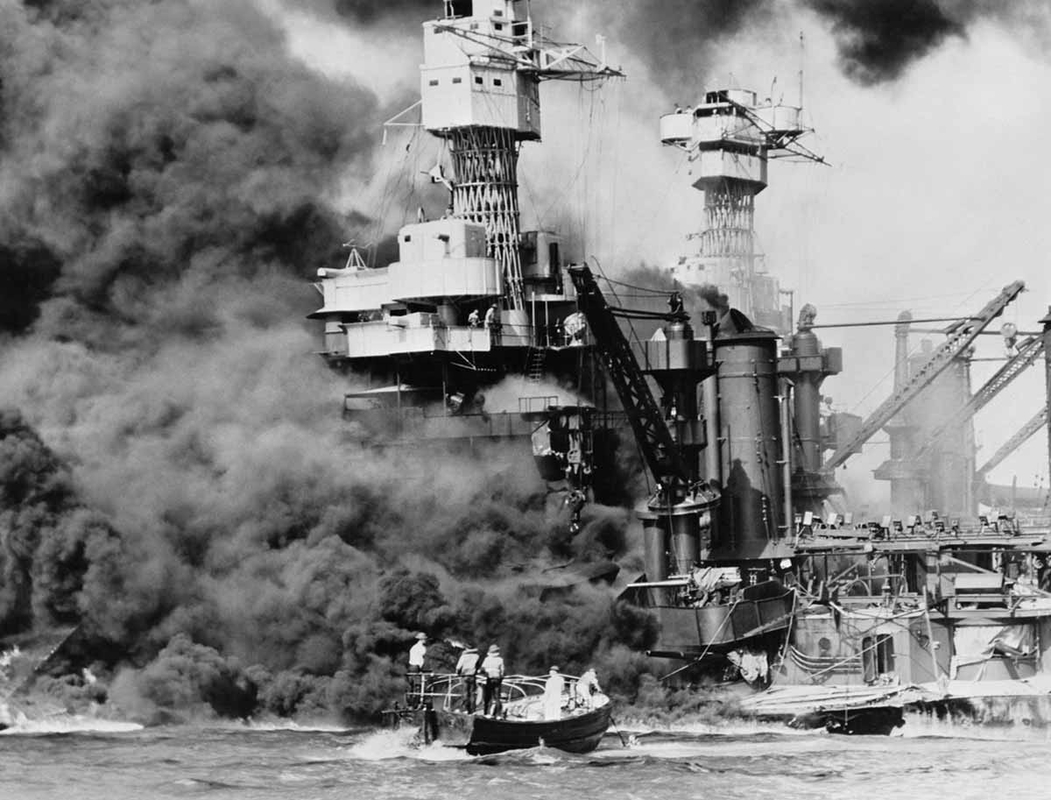
On the night of December 7, 1941, Adolf Hitler was at his secret military headquarters in East Prussia, known as the Wolf’s Lair, when he received the first reports of the Japanese attack on Pearl Harbor. He was pleased with the news. For Hitler, the heavy damage inflicted on United States battleships like the USS Arizona and the USS Oklahoma signaled victory for the Axis powers, whose main members were Germany, Japan, and Italy.
Why Hitler Welcomed the Attack on Pearl Harbor
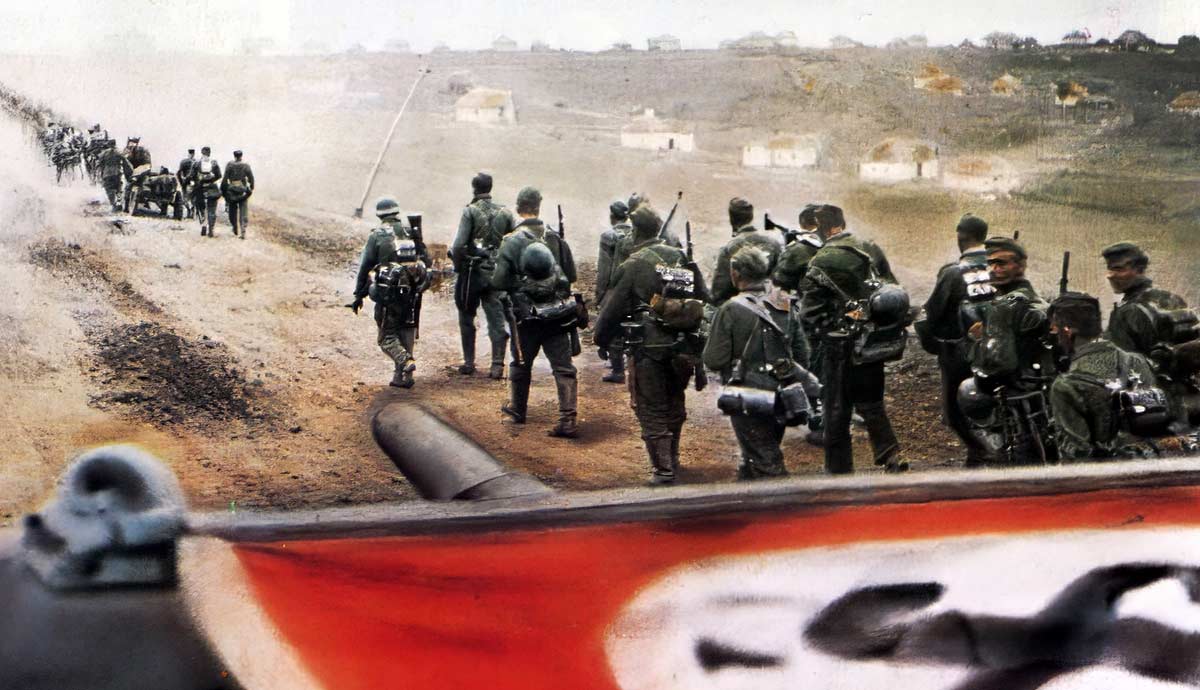
To understand why Hitler was elated, it helps to look at a map of Europe in early December 1941. For the previous six months, German armies commanded by the Oberkommando des Heeres fought through the massive landmass of the Soviet Union during the invasion codenamed Operation Barbarossa, which began on June 22, 1941. By early December, German forces had reached the outskirts of Moscow before their advance stalled due to the harsh winter. On the morning of December 5, 1941, Soviet forces led by General Georgy Zhukov launched one of the largest counterattacks in history, successfully pushing German troops back 50 to 100 miles.
If Soviet forces could break through German defenses, they would have an opportunity to split the stalled German army in the Soviet Union in half. Hitler feared this outcome more than anything else. What he hoped for was an event that would draw American attention away from Europe, as growing United States supply shipments to Great Britain and the Soviet Union were severely undermining German strategic plans.
When news reached Hitler of the Japanese attack against the United States Pacific Fleet at Pearl Harbor, he welcomed the development. He believed that Japan would tie down the United States Navy and force America to divert major military resources to the Pacific for the duration of the war. What he didn’t know was that the primary United States aircraft carriers, including the USS Enterprise and USS Lexington, had escaped destruction at Pearl Harbor because they were at sea at the time of the attack.
Why Hitler Wasn’t Obligated to Declare War on the US
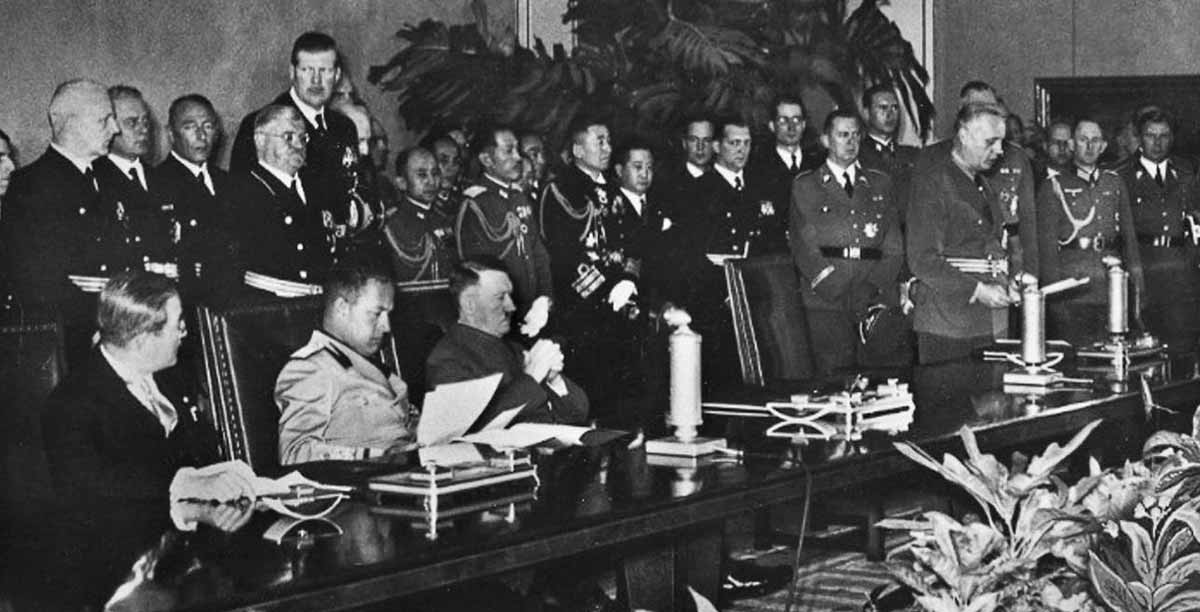
While many analysts believe that Hitler was forced into the war with America because he was bound by a treaty with Japan and Italy, this claim is only partially accurate. While the Tripartite Pact of September 27, 1940 stipulated in Article 3 that if any of the signatories were attacked, they would come to one another’s defense, it did not obligate them if a signatory struck the first blow. Because Japan struck the first blow at Pearl Harbor, Hitler was under no treaty obligation to enter the war to defend Japan.
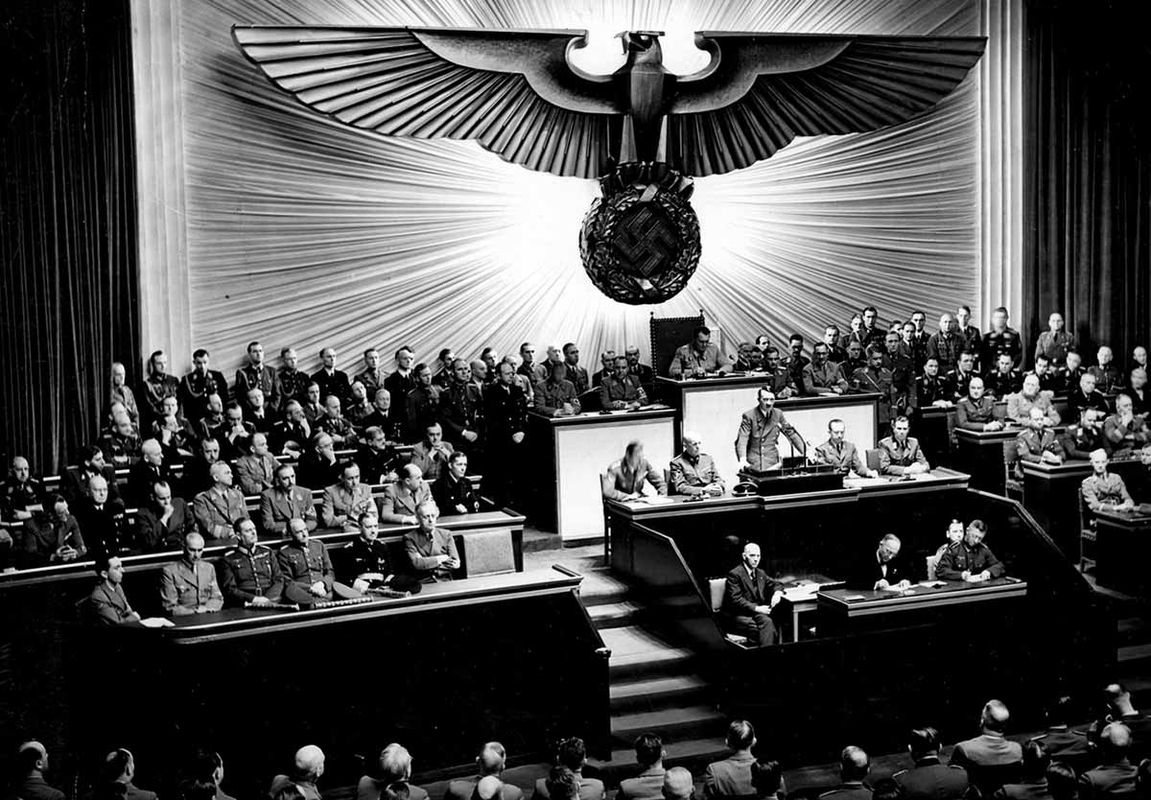
However, he personally ordered Germany to enter the war on Japan’s side as soon as he learned of the attack. He rushed Germany’s formal declaration of war because he wanted Japan to remain a committed ally. Seeking the political initiative, Hitler announced the formal declaration of war on the United States in a speech to the Reichstag at the Kroll Opera House on December 11, 1941.
The Miscalculation That Made Hitler Underestimate America
Another factor behind Hitler’s happy reaction was his miscalculation of the American national character and drive. Through his racial lens, he viewed America as a nation made up of weak individuals who had surrendered control to corporate leaders. He believed that Americans were too soft and undisciplined to handle a long, protracted war, despite understanding the nation’s industrial strength.
For perspective, the United States had a population of roughly 132 million people and produced far more than Germany in overall economic output by 1941. Thinking that Japan would knock America out of the fight or keep it distracted, he believed that the Axis powers would buy enough time to defeat the Soviet Union in 1942.
How Pearl Harbor Unleashed German U-Boats on the US Coast
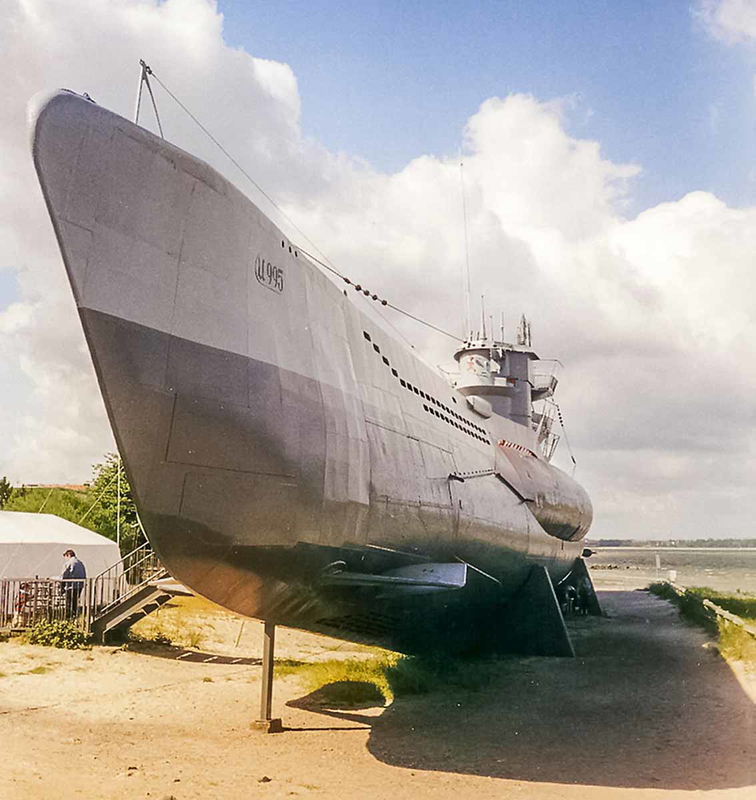
Pearl Harbor was exactly what the German submarine command, known as the Befehlshaber der U-Boote, was waiting for. Until December 1941, German Admiral Karl Dönitz, serving as Commander of Submarines, operated under orders from Hitler to avoid conflicts with American ships so as to keep the United States out of the war. Now, Hitler looked forward to Operation Drumbeat, the code name given to attacks that German Type IX U-boats would launch off the East Coast of the United States.
With America officially in the war, he could send his submarines to target ships along the American shoreline and cut off supplies to Great Britain. German U-boats would go on to sink hundreds of Allied ships in American waters shortly after he declared war on December 11, 1941. German U-boat crews nicknamed these easy victories the Second Happy Time.