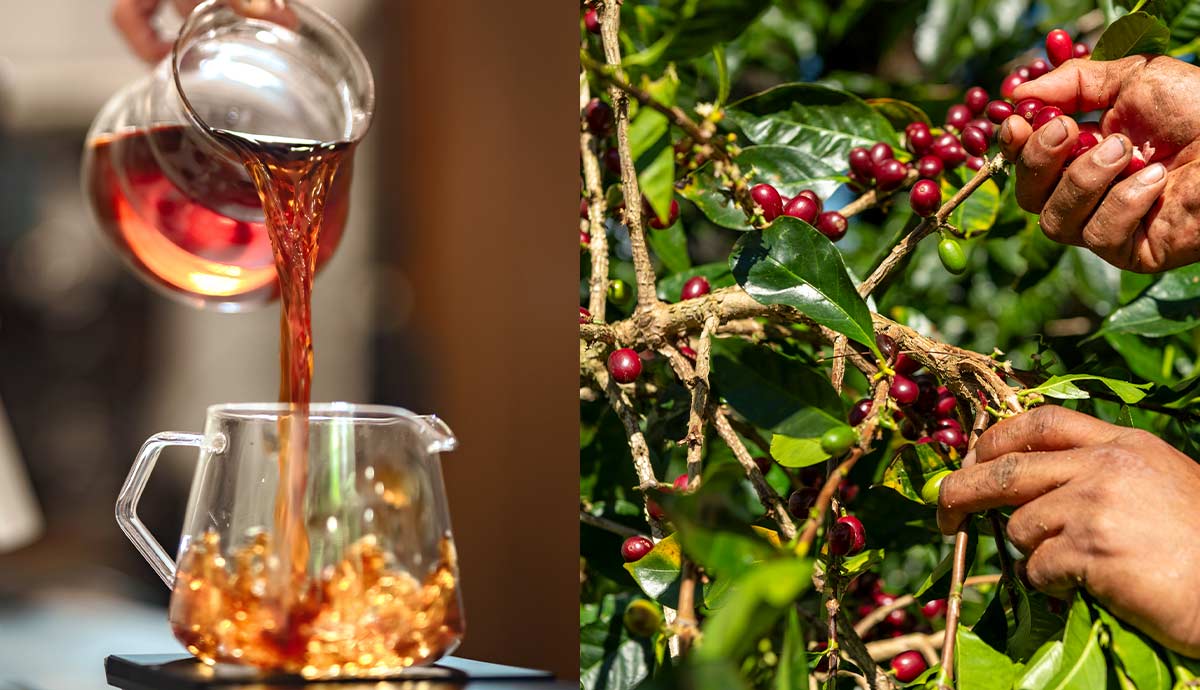

Most people would gladly pay $4 to $5 for a latte. But what if one pound of coffee costs $13,000? For coffee aficionados at the annual Best of Panama auction, that is a worthwhile price for arguably the world’s best coffee. In 2025, a 44-pound winning lot in the Geisha Washed category was sold for $13,705 per pound to Dubai’s Julith Coffee, who paid $605,000 in total. Driven by skyrocketing demand and international bidding wars since 2004, Panamanian Geisha coffee marries extreme rarity with premium quality cultivated under unique geographical conditions. Here are six reasons why this ultimate liquid luxury commands such prestige.
1. Microclimate Matters: The Premium Terroir for Geisha Plants
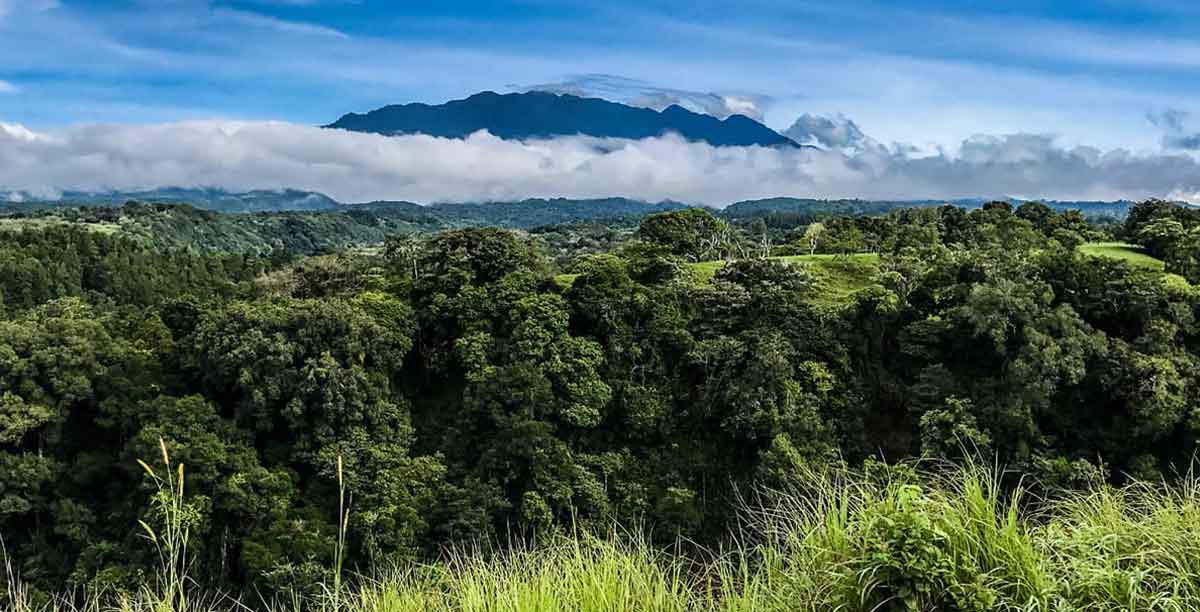
Located in the Chiriquí province near the dormant Volcán Barú, the Boquete region in Panama is home to some of the world’s most renowned Geisha coffee farms. It is blessed with the exact geographic and climatic conditions where the potential of the Geisha plants could be fully unlocked. The local earth is enriched with minerals such as potassium and phosphorus from past volcanic eruptions, which makes the Boquete region’s soil acidic and nutrient-dense. Volcanic soils are also well draining, providing coffee plants with consistent moisture but sparing their roots from being waterlogged.
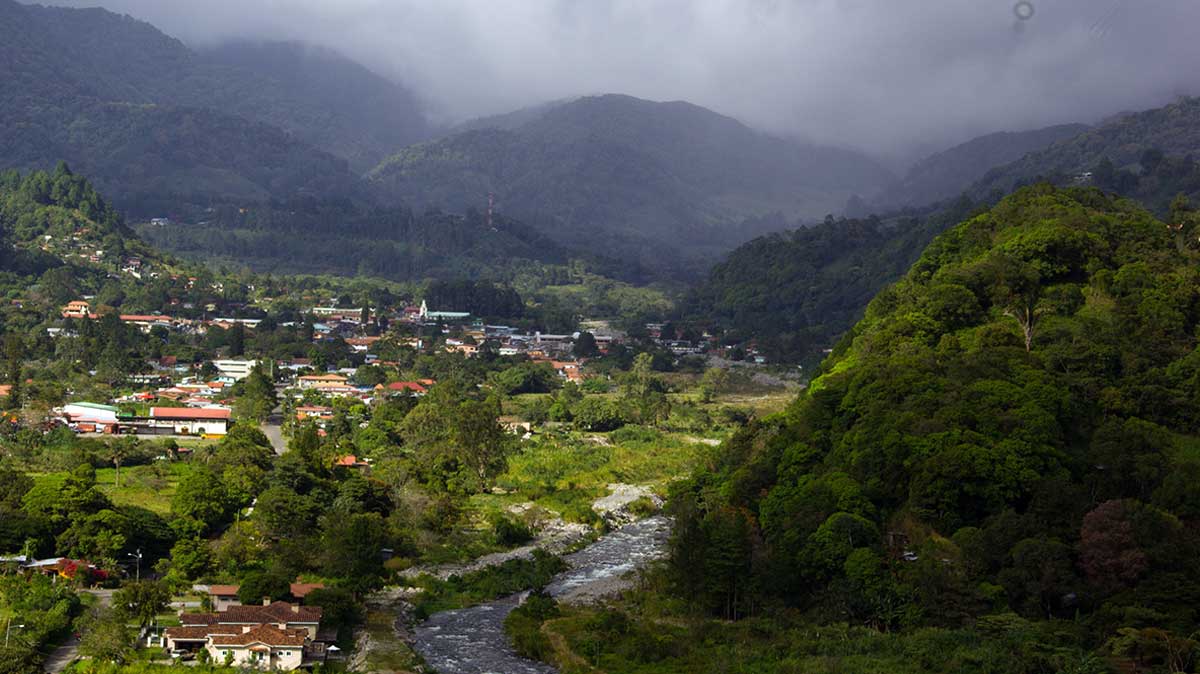
Another unique feature of the Boquete region is the Bajareque, a mist that blankets the coffee farms in the valley. Formed by the moist winds that are pushed up the mountain slopes, the Bajareque cocoons the coffee plants in cool moisture even during periods of dry spells. Together with the high altitude of the Boquete region that exceeds 5,400 feet (about 1,645 meters), this creates the perfect, exclusive environment that allows Geisha plants to thrive. Unlike the blistering tropical heat of Panama’s coastal lowlands, it is perennial springtime here with temperatures usually hovering between 10°C to 26°C (50°F to 75°F). This helps to slow down the maturation process of coffee cherries, which allows deeper sugar concentration for the beans. The delayed ripening also contributes to the Geisha coffee’s distinctive, complex flavor profile with the aromas of jasmine, bergamot, and stone fruit, so sought after by specialty coffee lovers.
2. A High-Maintenance Crop That Commands High Prices
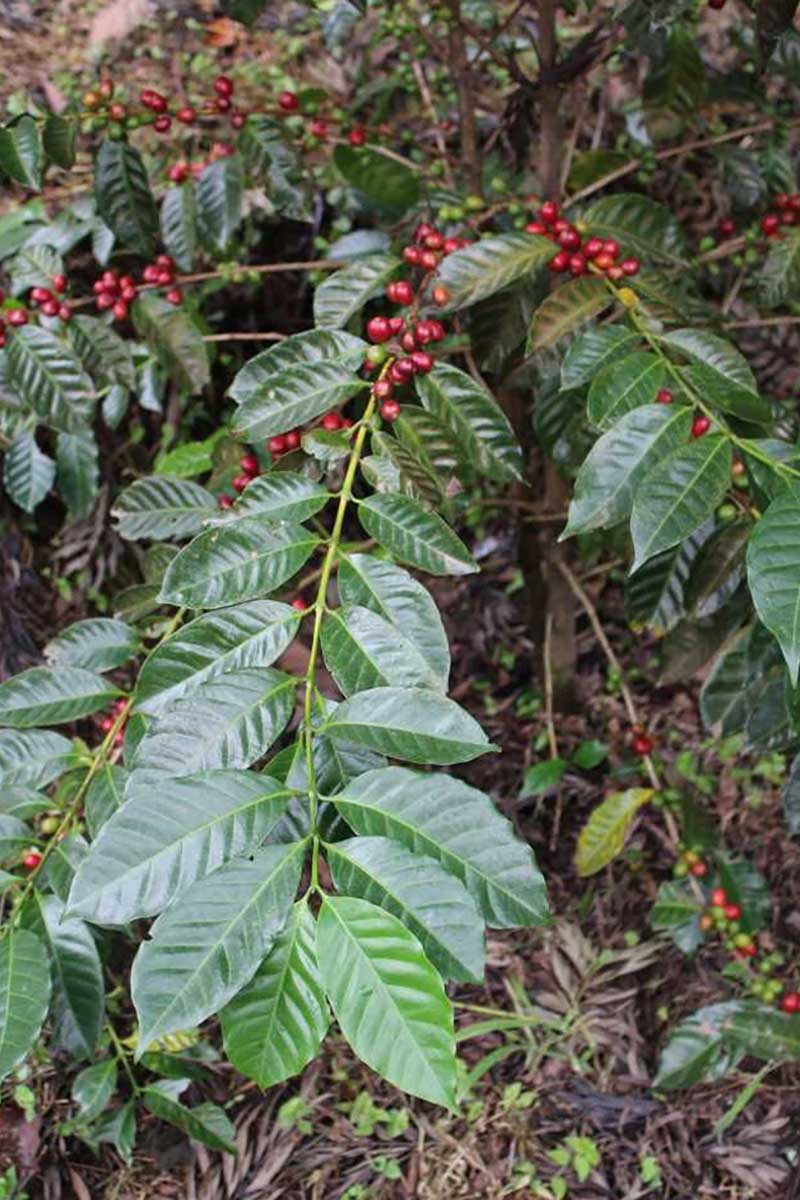
The age-old law of supply and demand is nowhere more visible than in the world of Panamanian Geisha coffee, where extremely limited yields drive high demand and astronomical prices. Compared to their Arabica or Robusta counterparts, the Geisha plant is remarkably unproductive in terms of yield. While a typical Caturra or Bourbon plant produces up to two pounds of green coffee annually, Geisha coffee farmers expect their yields to be at least 30% to 50% lower. This disparity can be traced to the original Ethiopian Geisha strain, which is characterized by a shallow, inefficient root system.
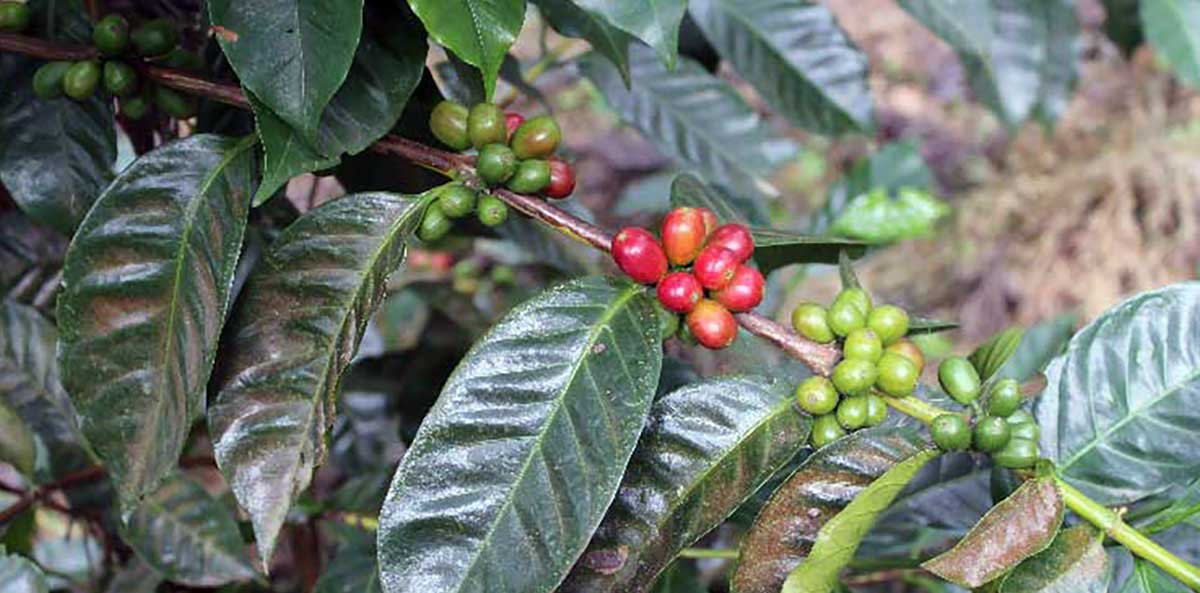
The Geisha plant has a lower density of fruiting branches. As a result, it produces fewer cherries for each harvest. Having brittle, willowy branches also means that it is more sensitive to winds. While it is known for its resistance to the coffee leaf rust, the Geisha plant is susceptible to pests such as the coffee berry borer and leaf miners, which severely degrade the crop quality. Collectively, these risk factors increase the stakes for Geisha coffee farmers, making every successful harvest all the sweeter and more valuable.
3. The Grueling Labor Behind the Price Tag
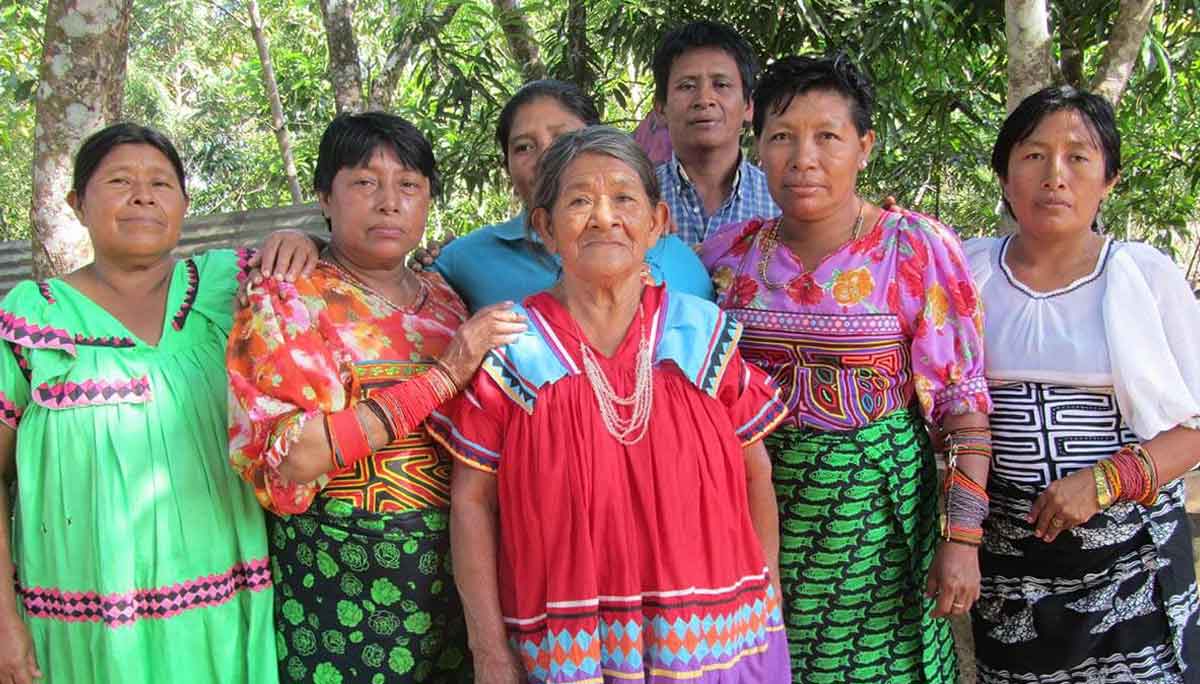
The production of Geisha coffee is a hugely laborious process that requires meticulous care and commitment to quality. When harvesting the coffee cherries, every single one is to be handpicked at peak ripeness. Unlike other coffees, Geisha coffee cherries do not ripen uniformly on the branch, which makes the time-saving method of strip-harvesting nearly impossible. The most skilled harvesters are the indigenous Ngäbe-Buglé people, who are among the seven indigenous communities in Panama. They manually inspect each and every coffee cherry to ensure quality control, with the laborious process demanding numerous passes through steep and perilous volcanic terrains.
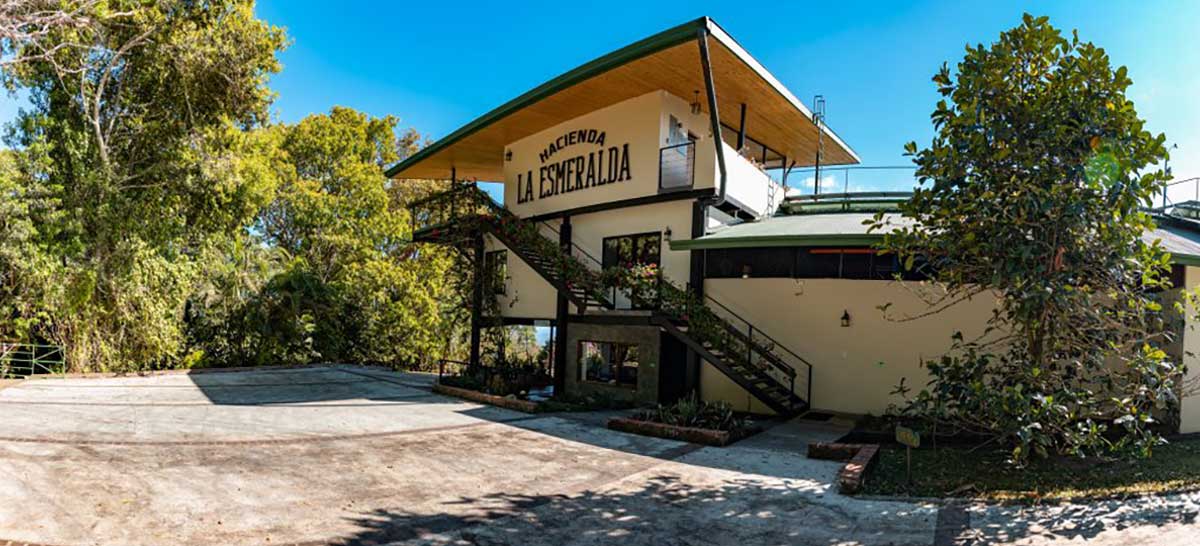
Such strict adherence to quality control is common for established coffee farming estates like the legendary Hacienda La Esmeralda, whose name is synonymous with the world’s most expensive and premium Geisha coffee. At Hacienda La Esmeralda, harvesting is highly selective and reflects the owners’ belief that if beans are picked before they are ripe, their full potential would never be achieved. Worse, by allowing a few unripe beans to sneak into a microlot, it can significantly lower the overall quality of the flavor profile and potentially devastate a valuable batch of prized Geisha coffee beans. When you put costly labor next to the high rejection rates, what you get is an astronomical per-pound valuation of the green Geisha coffee beans.
4. The Cost of High-Risk Processing Science
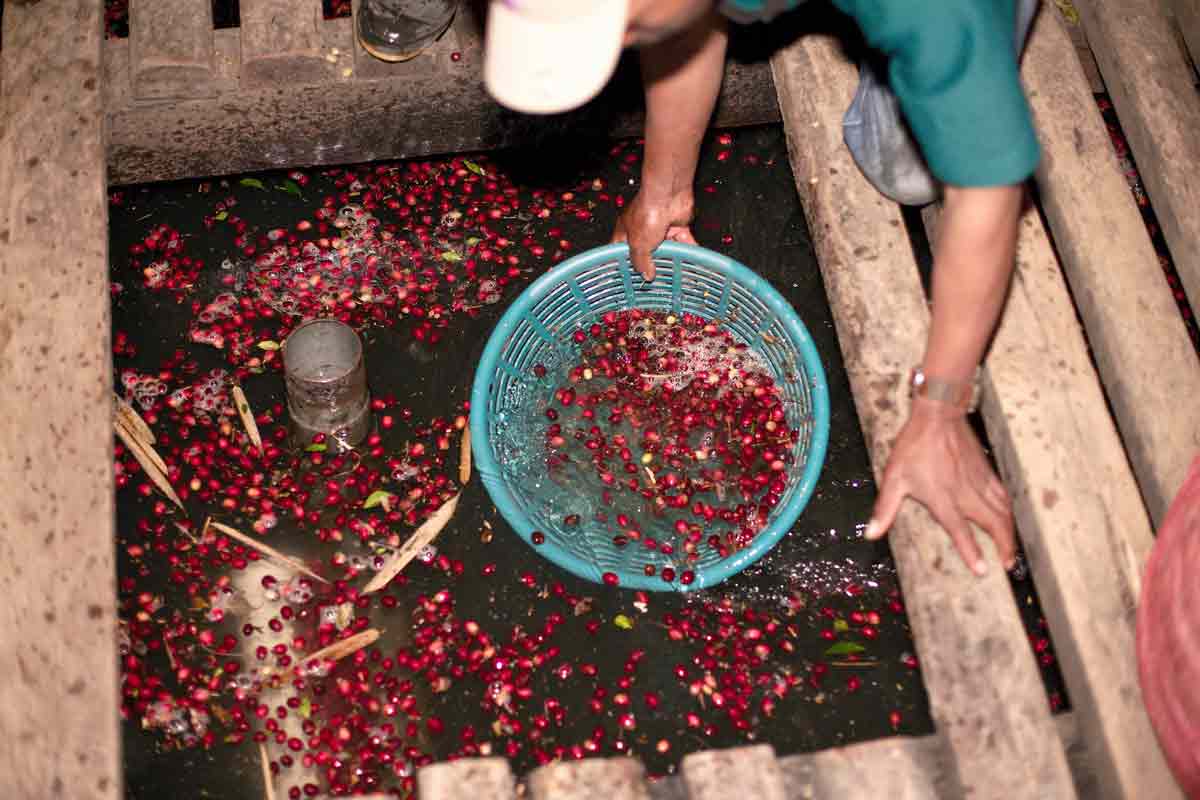
The picked coffee cherries at their optimal ripeness are usually processed using either the washed or natural (dry) methods. In the washed process, the cherries have their pulp removed and then are fermented in water to get rid of the fruit. This creates a cleaner cup with higher acidity. Alternatively, the cherries can also be sun-dried, allowing the beans to absorb the sugars from the pulp in the most natural way and produce a more complex and sweeter flavor profile.
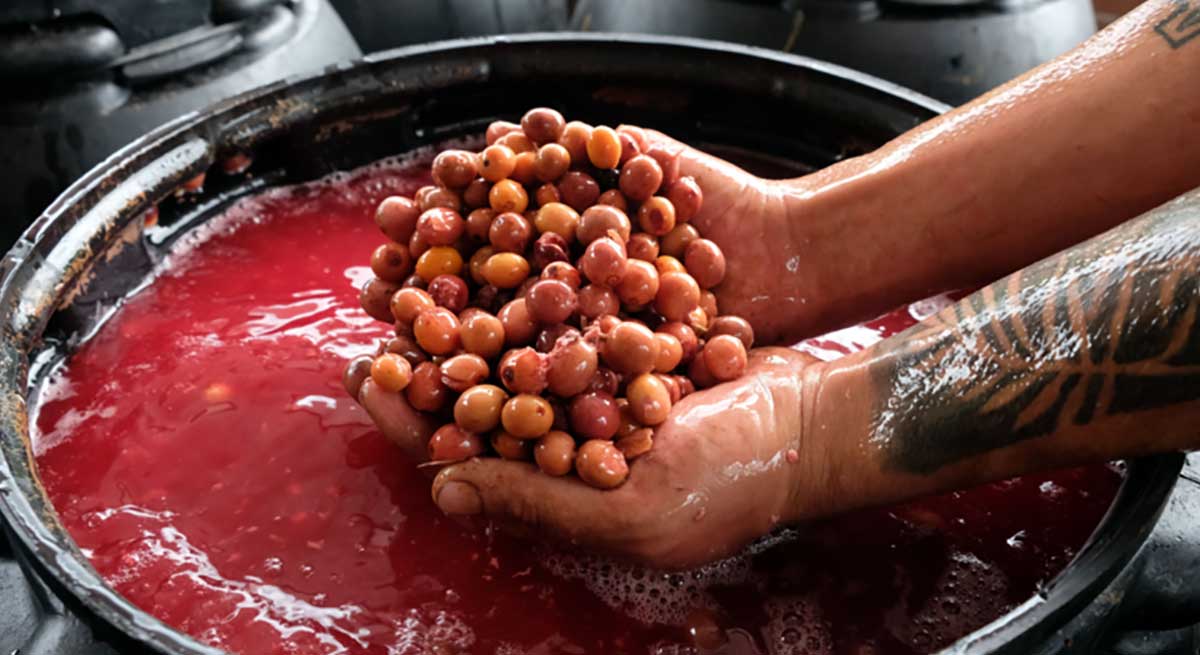
Beyond these basic processing methods, Geisha farmers have also been increasingly exploring more cutting-edge techniques and experimental fermentation to push the envelope for more distinctive flavors. One such method is anaerobic fermentation, where coffee cherries are fermented between 48 and 120 hours in sealed, carbon-dioxide-rich steel tanks with temperatures controlled at 16°C (60.8° F). This creates an anaerobic (oxygen-free) environment which can unlock the rich wine-like and fruity notes of the Geisha coffee. Other fermentation processes include co-fermentation, which involves incorporating fruits and spices into the fermentation environment to enrich the beans, and inoculation, where a few select yeast strains are used to guide fermentation.
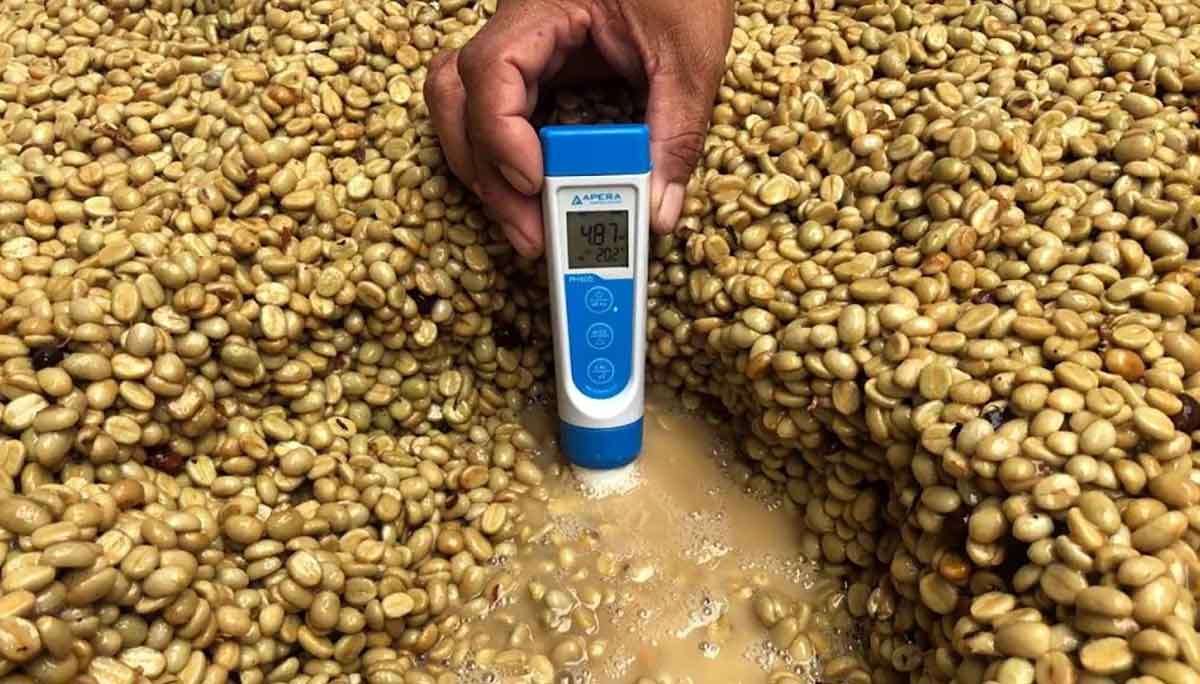
While specialty coffee brewing is akin to art, the labor behind the processing of coffee beans is a brutal science where a single slip-up can result in a precious batch going to waste. Fermentation alone requires strict monitoring of pH levels, sugar content (Brix), and temperature to ensure consistency in quality and output. With new and innovative flavors surfacing in the market, Geisha coffee producers are doubling down on high-stakes processing methods to maximize the quality of their beans and harvest.
5. Best of Panama: Rigorous Competition and High Valuations
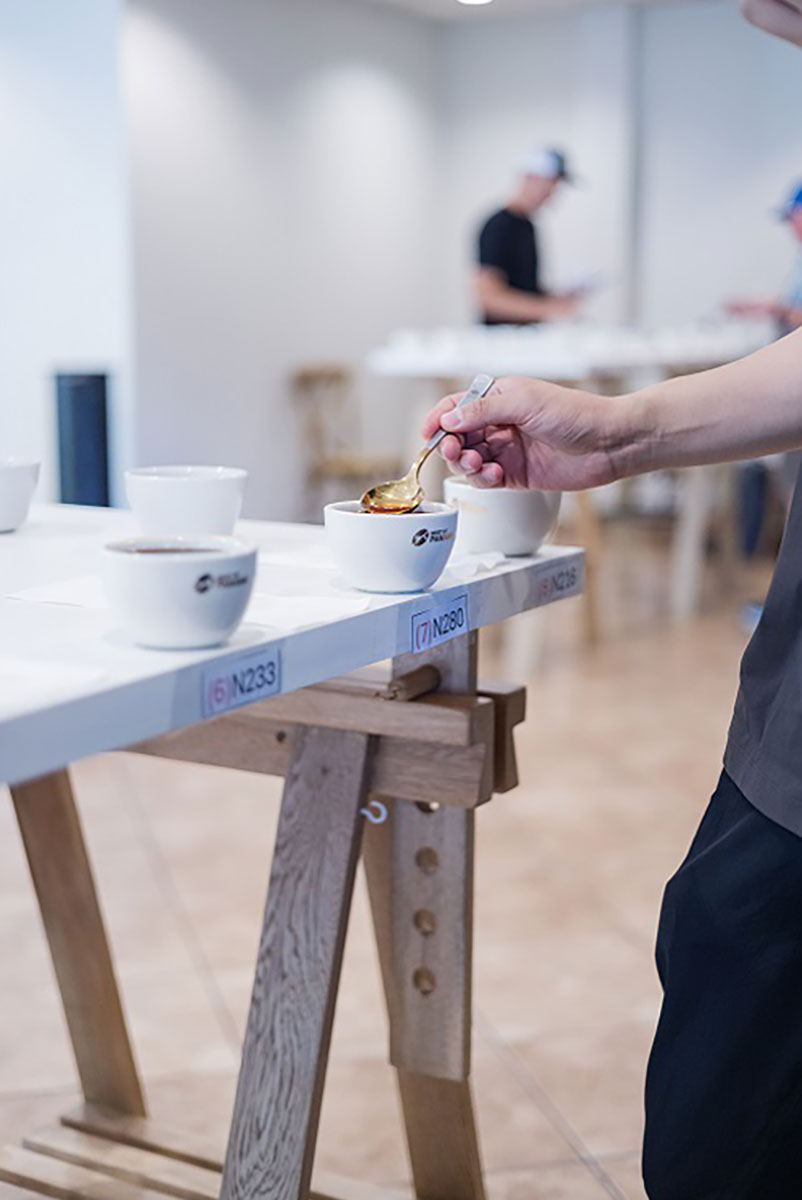
Held annually since 1996, the Best of Panama (BOP) competition and auction has brought together coffee producers, enthusiasts, and experts to celebrate some of the best brews in the world. It was here in 2004 where the Geisha coffee from the revered Hacienda La Esmeralda instantly blew the judges away, scoring a historic 94.1 points out of a 100. To date, the Hacienda La Esmeralda still holds the record for the highest score in the BOP history, with a whopping, near-perfect 98 points in the Geisha Washed category in 2025.
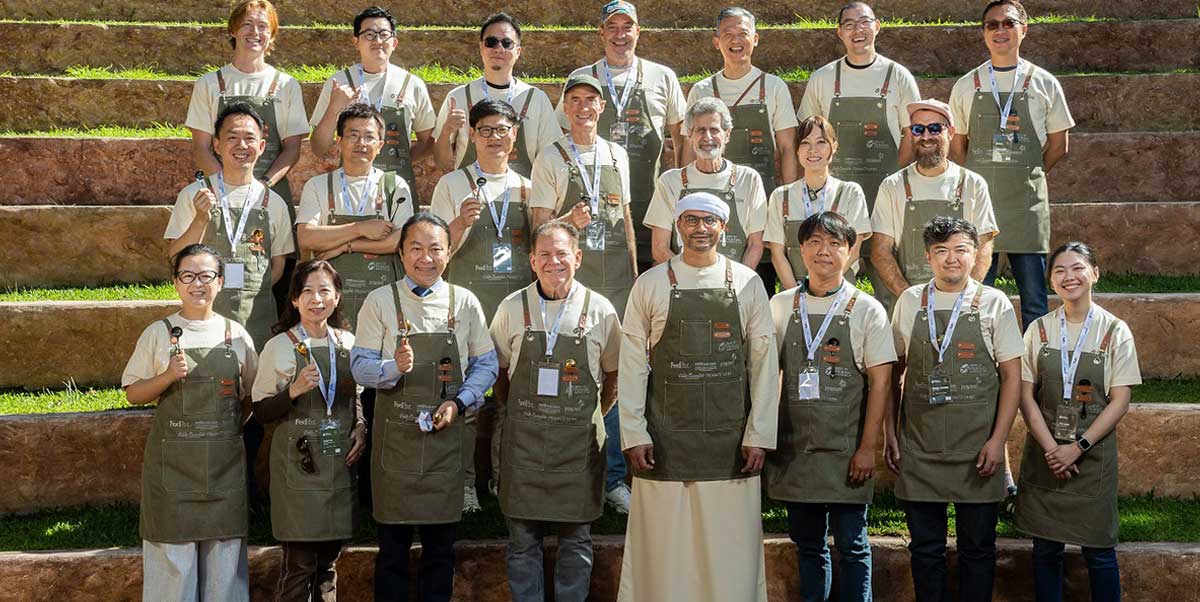
The BOP competition typically starts off with estates submitting their lots to be judged by a panel of international and local coffee experts in blind cupping sessions. The categories are: Geisha Washed, Geisha Natural, and Varietals (all other non-Geisha types), with a Panama Cup presented to the estate with the highest accumulated scores across all categories. At the 2026 BOP competition, Elida Estate Familia Lamastus emerged triumphant and scored 96.25 points in the Geisha Washed category. Lérida Estate Coffee placed first in the Geisha Natural category with 95.63 points, while the prestigious Panama Cup was awarded to Hacienda La Esmeralda.
6. Bidding Wars and Skyrocketing Auction Prices
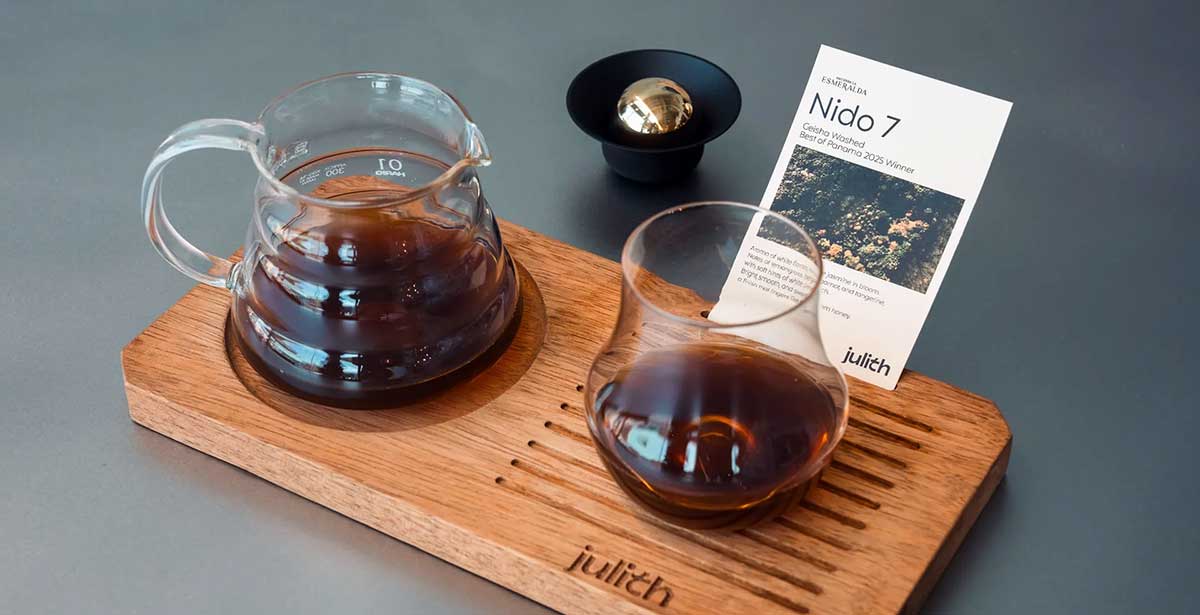
Following the competition, the highest ranked lots would then qualify for the international online auction where global luxury coffee buyers vie in real time for a limited quantity of the world’s best beans. For the elite cafes and roasting houses across Asia and Europe, securing a winning bid at the BOP auction translates to prestige and exclusivity. At the same time, it signals financial strength and industry influence. Some cafes and roasting houses routinely choose to pool their resources together and submit a collective bid. Not only does this allow them to outmaneuver larger commercial competitors, it also ensures that they secure enough of the prized lots for their discerning clients back home. From $21 per pound in 2004 to a staggering $13,705 per pound in 2025, Panamanian Geisha coffee has completely rewritten the luxury coffee economics, proving just how far consumers are willing to go for a sip of the world’s be