HomeReligion - History & Theory
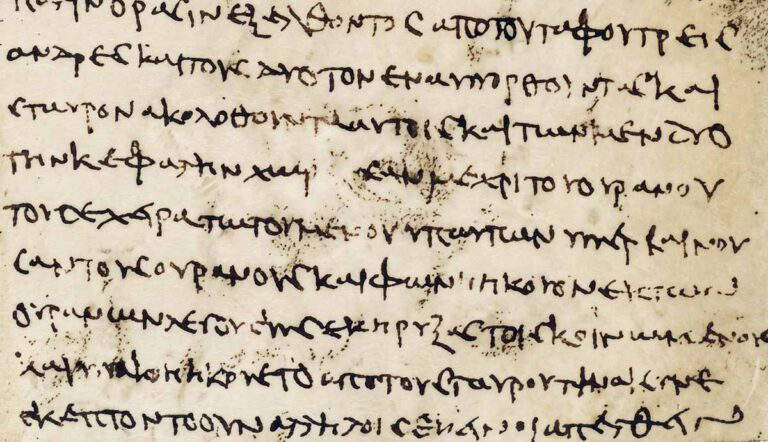
The 2nd-century Gospel of Peter caused significant controversy by detailing the crucifixion with changes deemed heretical.
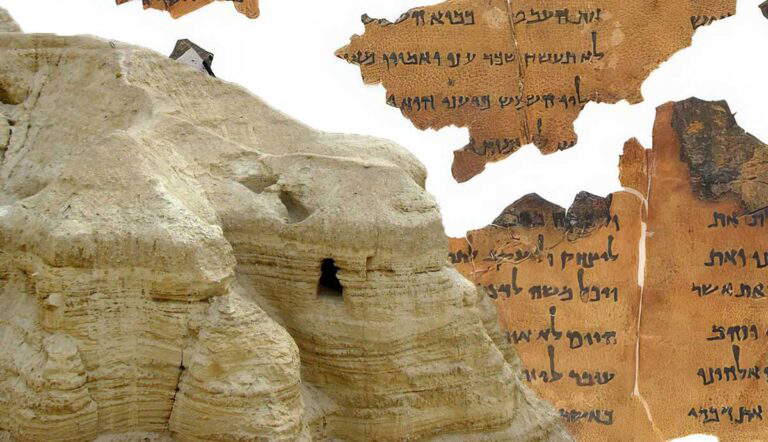
The 1947 discovery of ancient manuscripts in Qumran proved a 1,000-year chain of Biblical accuracy and transformed early Jewish history.
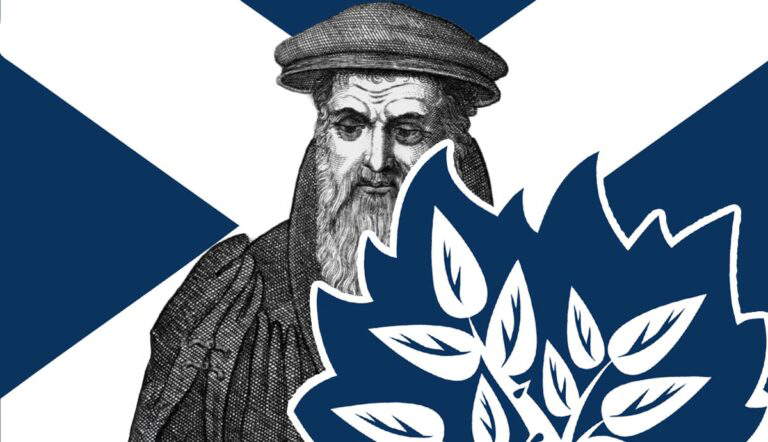
The Scottish Reformation was one of Scotland’s most momentous events, but how did it actually begin?
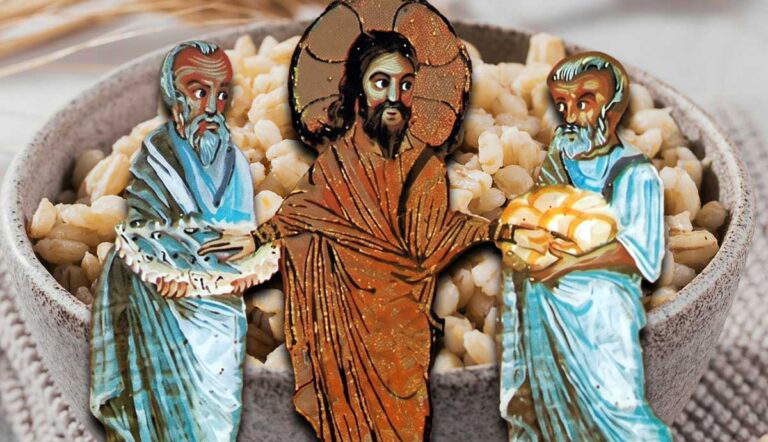
In first-century Roman Judea, barley and taxes were characteristic of social standing, and Jesus’ miracles upset the status quo.
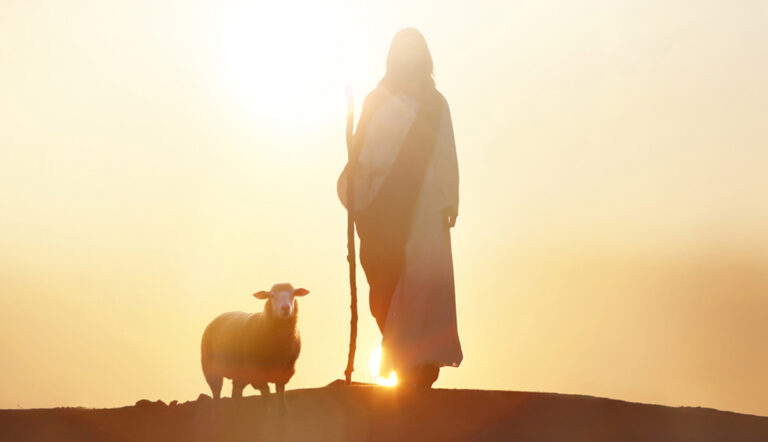
A desert miracle was actually a calculated political act. Jesus used the organizational blueprint of Moses to defy Roman authorities.
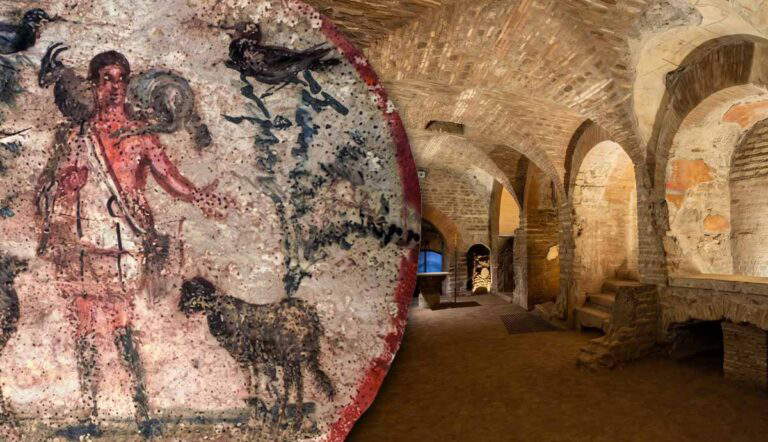
Persecuted Christians turned the Roman catacombs into canvases of resistance. See how early artists used secret visual codes to outsmart the empire.
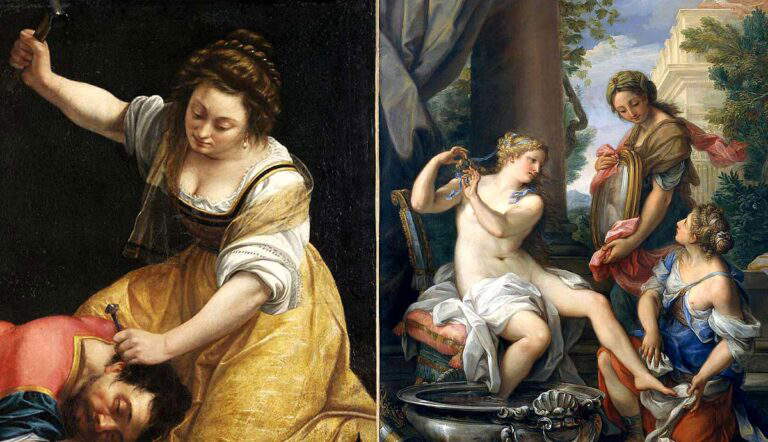
Despite the patriarchal slant of scripture, several influential women in the Bible stand out among the many because of their courage, steadfast faith, endurance, or impiety.
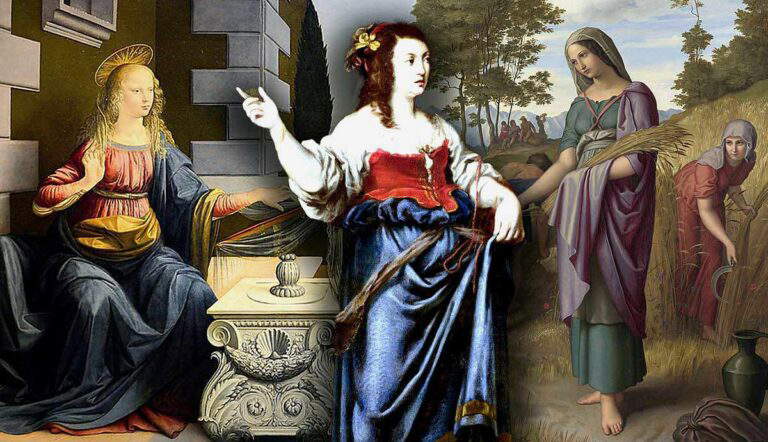
Did Matthew purposely include five women in Jesus’s genealogy who point to irregular unions, outsider status, and looming scandal to foreshadow his boundary-breaking mission?