HomeArt
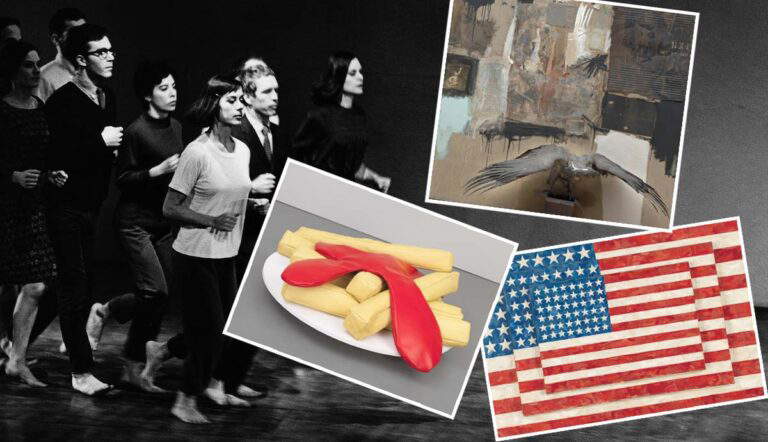
In the 1950s, a handful of American artists known as the “neo-dada” artists gained critical attention for their insouciant, complex, and medium-defying works of art.
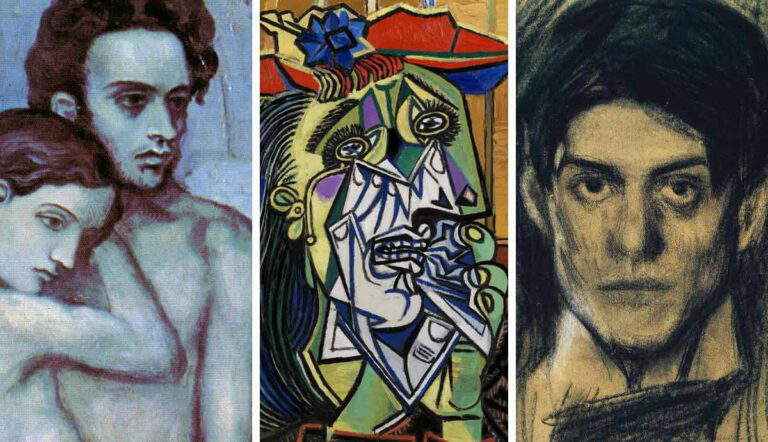
Pablo Picasso (1881-1973) was a Spanish painter who cofounded Cubism and revolutionized modern art through iconic works like Guernica and Les Demoiselles d'Avignon.
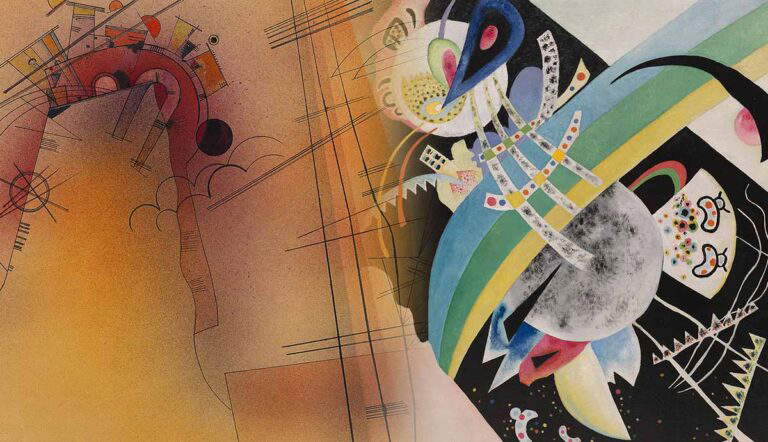
Wassily Kandinsky believed abstract art could appeal directly to the human soul and affect his generation's spiritual consciousness.
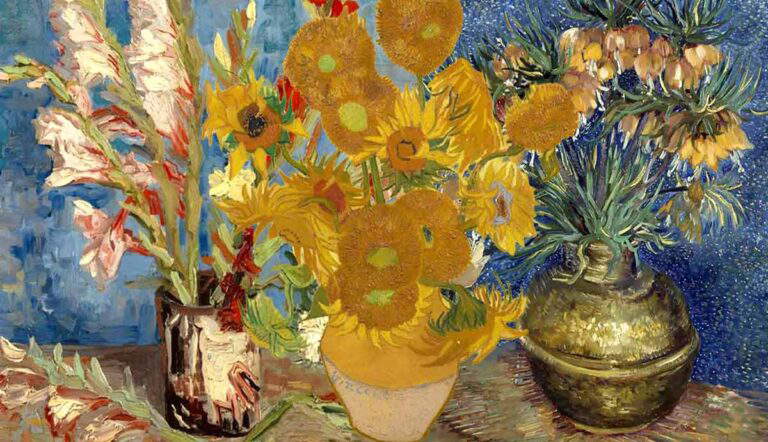
One of the most common genres found in Vincent van Gogh’s oeuvre is still life painting, particularly those depicting vibrant flowers in vases.
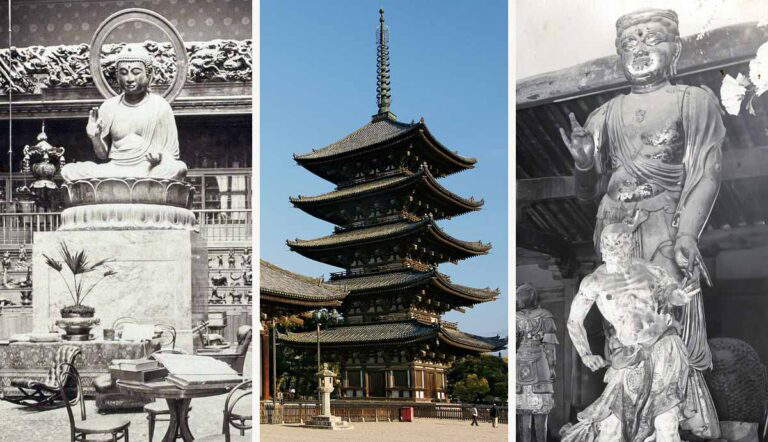
The Meiji Restoration (1868) led to the forced separation of Shinto and Buddhism, scattering priceless sacred Japanese treasures into Western museums.
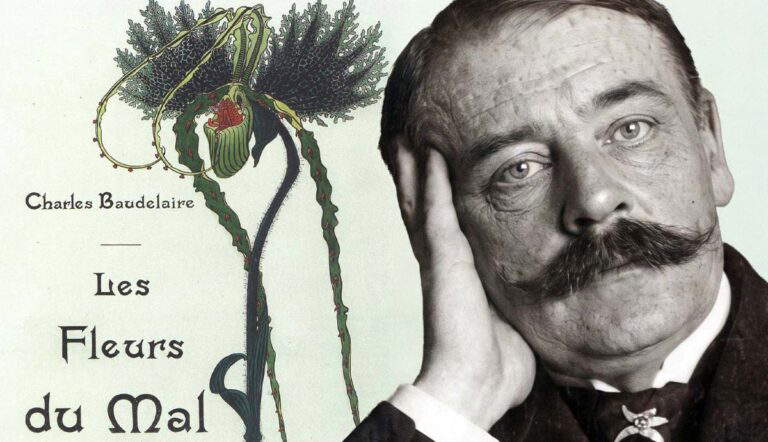
Plunge into ten works from 19th-century Europe's literature of perverse pleasures and perplexing pastimes.
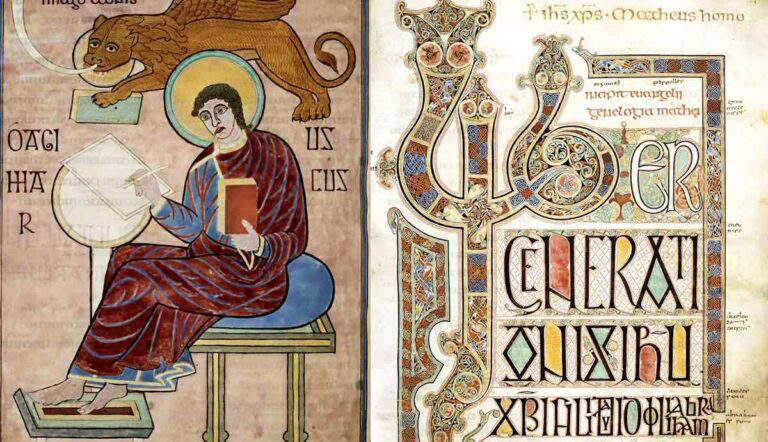
The most breathtaking instance of Insular-style manuscript illustration, the Lindisfarne Gospels are a powerful testament to the all-encompassing spirituality of medieval Christianity.
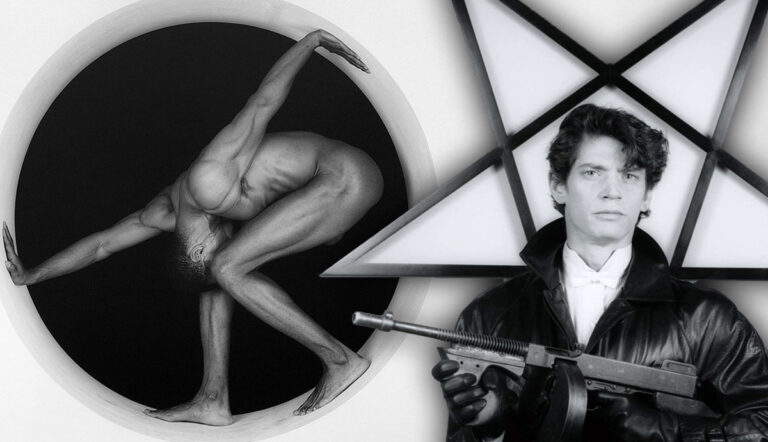
Robert Mapplethorpe has been dead for over three decades, but the debate around his work is still alive. What makes this notorious photographer so revolutionary?