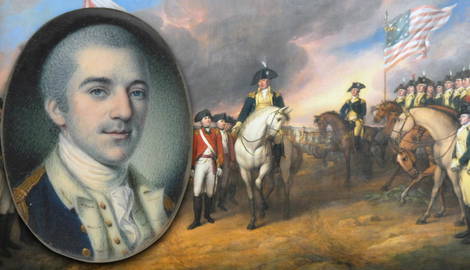

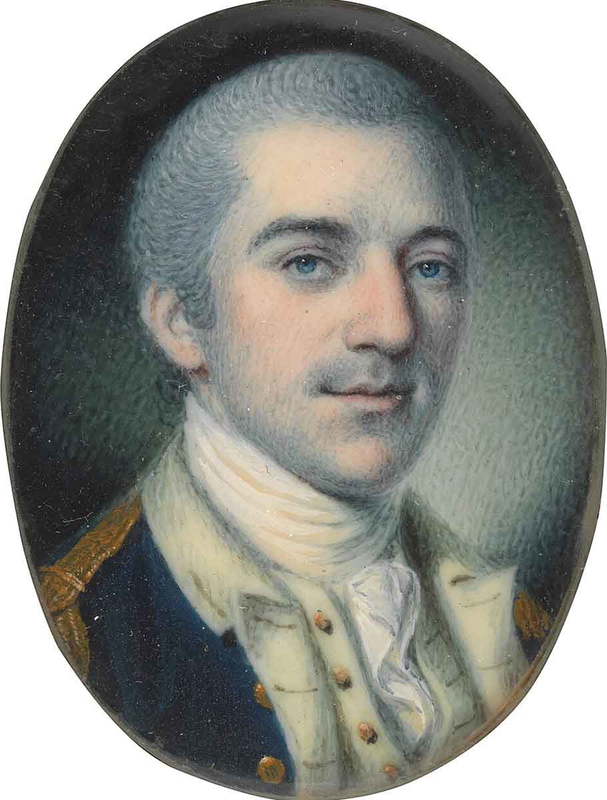
John Laurens was an officer who served in the American Revolution. Although he is largely forgotten today, he was known in his time as one of the war’s bravest soldiers and an advocate for freedom for all.
Wealthy South Carolina Beginnings and European Education
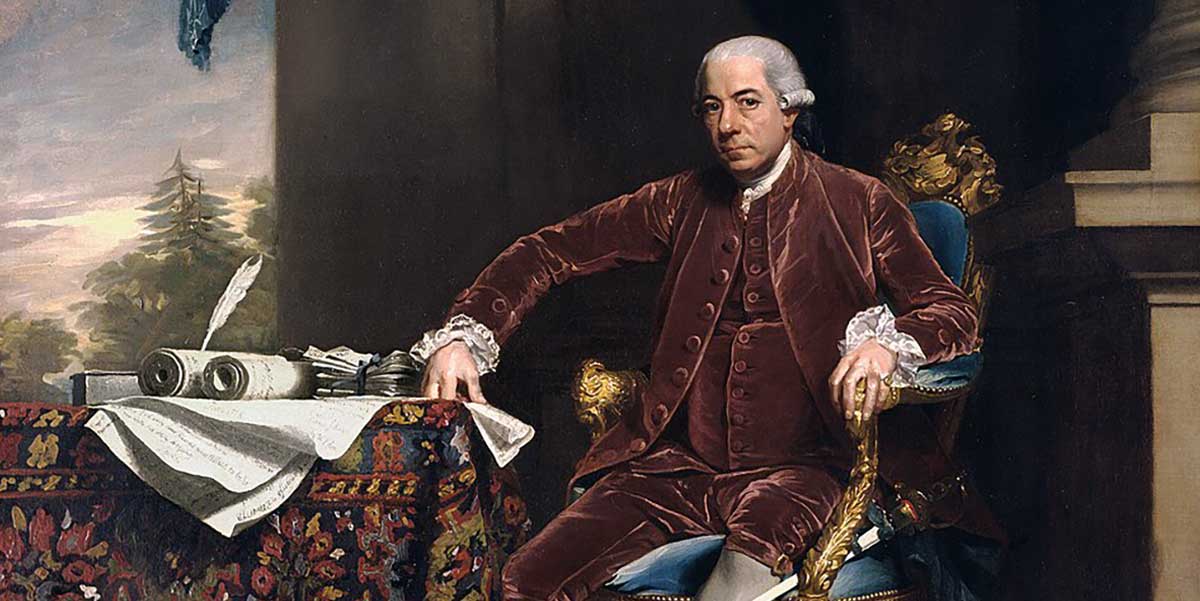
John Laurens was born in Charleston, South Carolina, in the year 1754. As the son of Henry and Eleanor Laurens, he was born into a wealthy, slaveholding family. Laurens received a good education in Europe, where he learned to speak perfect French. By his early twenties, Laurens had married Martha Manning and was in London studying to be a lawyer. However, the outbreak of the American Revolution interrupted his plans.
Battlefield Bravery and Service Under George Washington
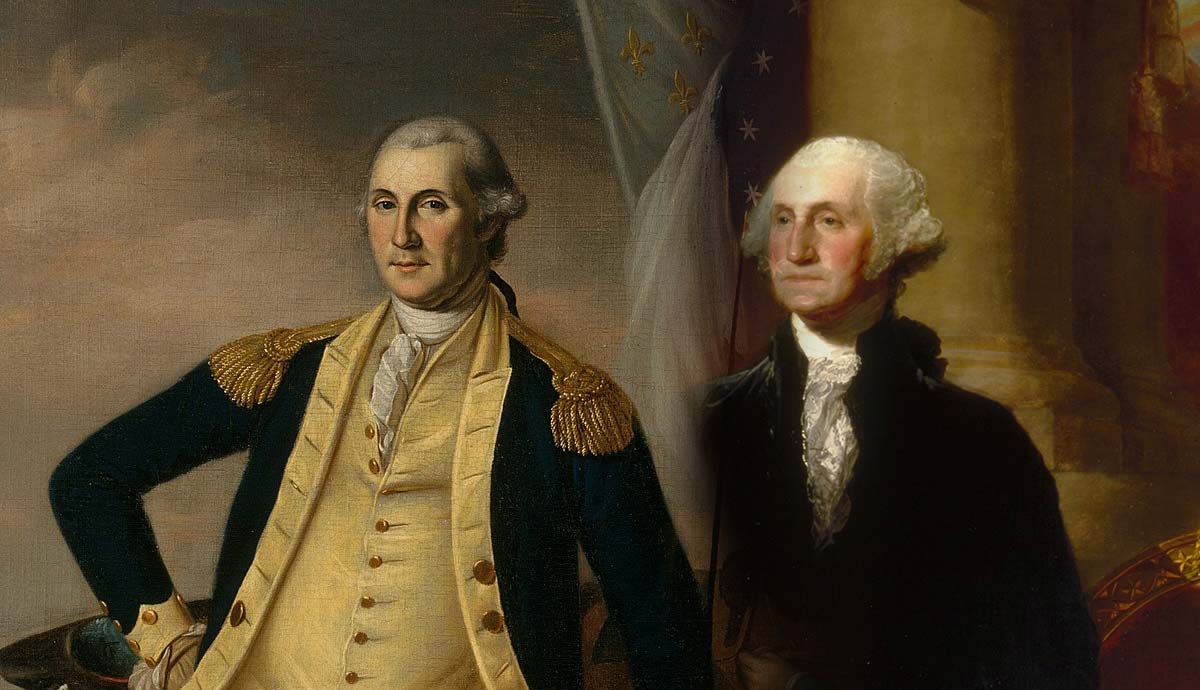
John and his father Henry returned to the Thirteen Colonies in 1777, and both of their lives would be linked to the Continental cause. Henry served in the Continental Congress, while John insisted on joining the army. John Laurens strongly supported the Revolution and was ready to give his life for the colonies’ rights. The army was glad to add an educated patriot to their ranks. Laurens was given the rank of lieutenant colonel and assigned as an aide-de-camp to George Washington. He would serve alongside Alexander Hamilton and the Marquis de Lafayette, rounding out a trio of young but brilliant revolutionaries.
Laurens wasted no time in joining the action, as displayed in his first combat at the Battle of Brandywine. The Marquis De Lafayette, who was wounded at the battle, was amazed by Laurens’ lack of fear on the battlefield. He observed that ‘‘It was not his fault that he was not killed or wounded.’’
Laurens’ incredible courage continued throughout the rest of his military career. He was wounded at the Battle of Germantown, and had his horse bolt from under him at the Battle of Monmouth. None of these incidents did anything to deter him in the slightest. Despite the Continental Army’s lack of success in the early days of the war, Laurens was devoted to its cause and fiercely loyal to his commander, George Washington.
Such loyalty would even see Laurens fight a duel to defend Washington’s name. After the Battle of Monmouth, Washington was at odds with one of his generals, Charles Lee. With both generals accusing the other of incompetence on the battlefield, Lee was soon court-martialed. Though he was given a very light sentence, Lee was enraged by the charges Washington had brought against him, and began to publicly criticize his leadership. Such an action did not sit well with Laurens, who challenged Lee to a duel. Both men agreed, and in December of 1778, Laurens connected with a shot to Lee’s side. Despite both men wanting to continue, Laurens’ second, Alexander Hamilton, insisted that the duel end immediately.
Advocating for Black Regiments and Securing French Aid
Besides his bravery on the battlefield, Laurens was also known for his strong abolitionist views. In 1778, he began pushing the idea of creating a Black brigade in the American army. Laurens was not simply looking to gain manpower for the Continental Army, but sincerely believed that African-Americans deserved freedom. His vision for the colonies after the war was one of equal rights for all. Despite his efforts, Laurens was unable to create Black military units because of fierce opposition from the slaveholding members of the government.
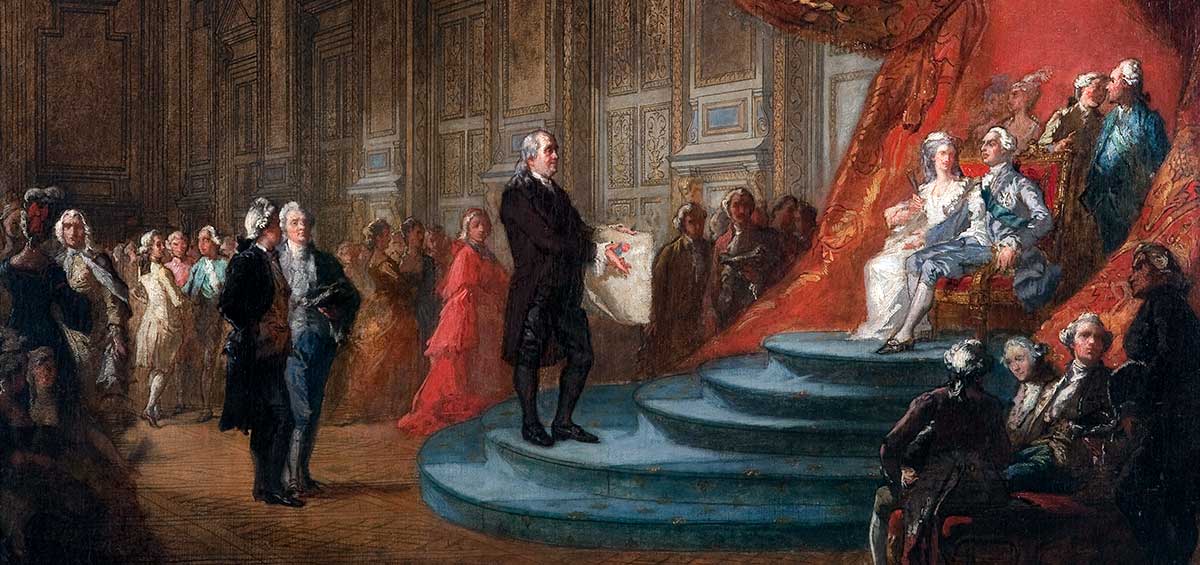
In 1780, Laurens was briefly captured by the British before being released in a prisoner exchange. After his release, Congress reassigned him to petition the French for arms and finances. Although he did not want to leave the battlefield, he used his excellent French to secure much-needed French support.
Final Battle at Combahee River and Lasting Impact
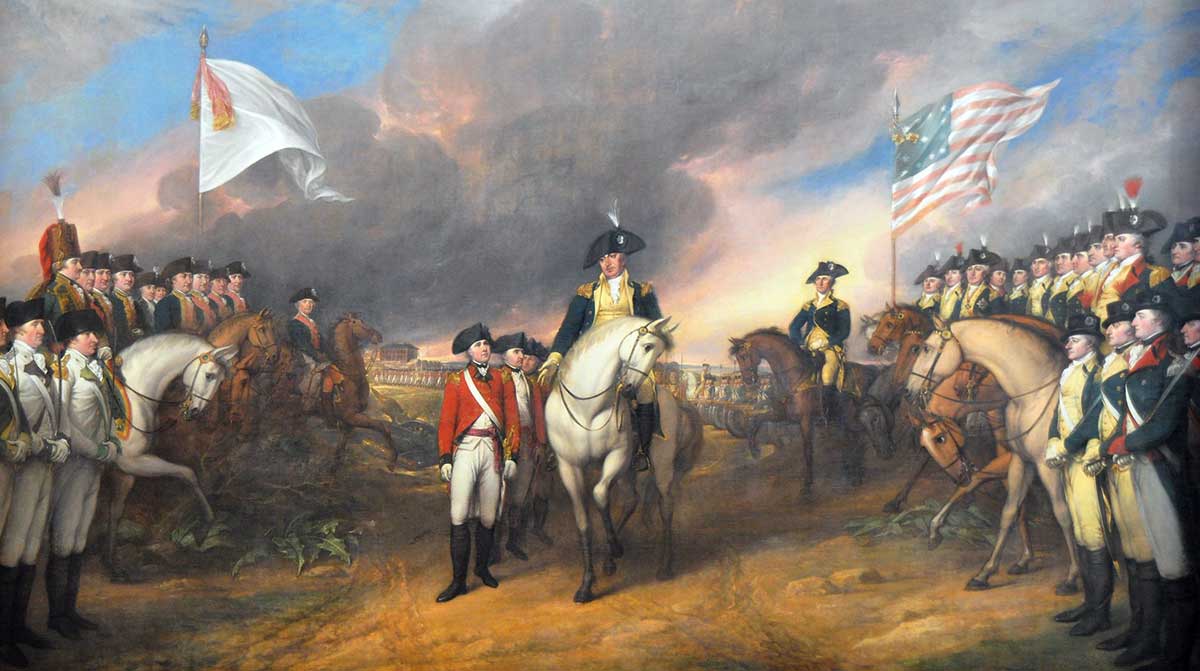
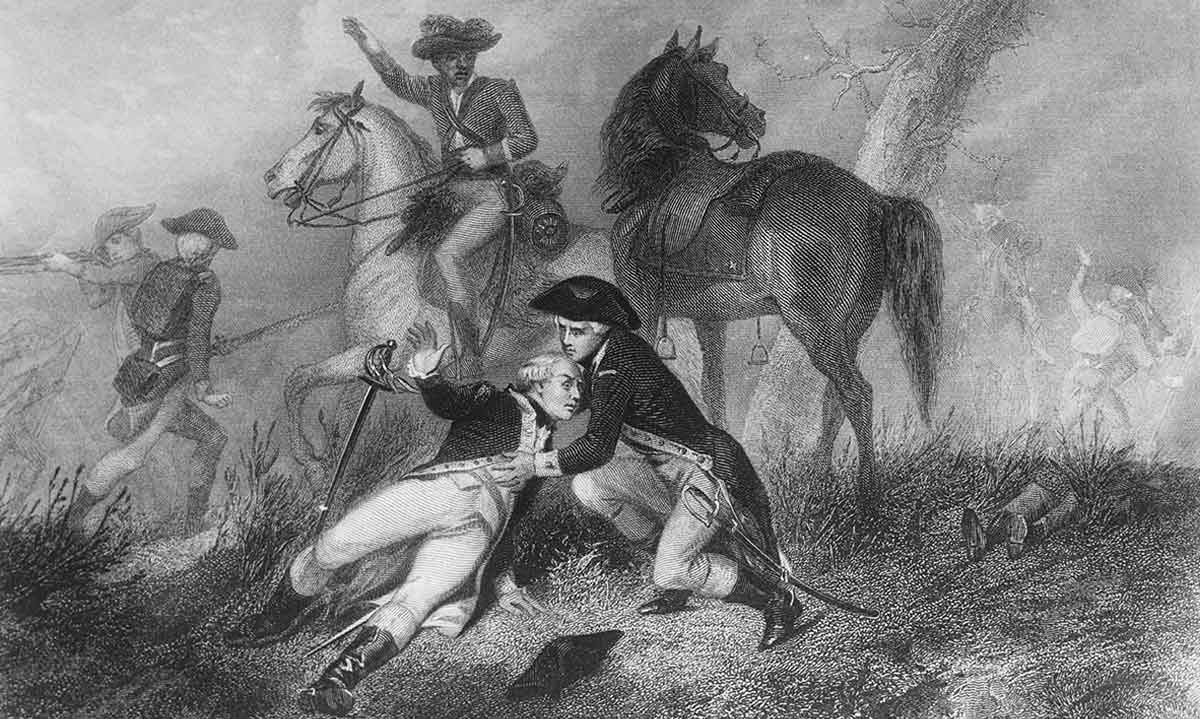
Returning to the colonies in 1781, Laurens was able to rejoin Washington for the Siege of Yorktown. He personally helped to negotiate the terms of surrender in the decisive battle of the Revolution. Shortly after the victory at Yorktown, Laurens returned to South Carolina to battle the remaining British soldiers in his home colony. On August 27, 1782, Laurens was shot and killed in the Battle of Combahee River. The skirmish included only several hundred soldiers combined on both sides, and was one of the final engagements of the war.
Despite being killed before he could see his country gain its independence, the 29-year-old Laurens left an undeniable mark on history. His belief in liberty for all and determination to fight for it immortalized him in the history of the United States.