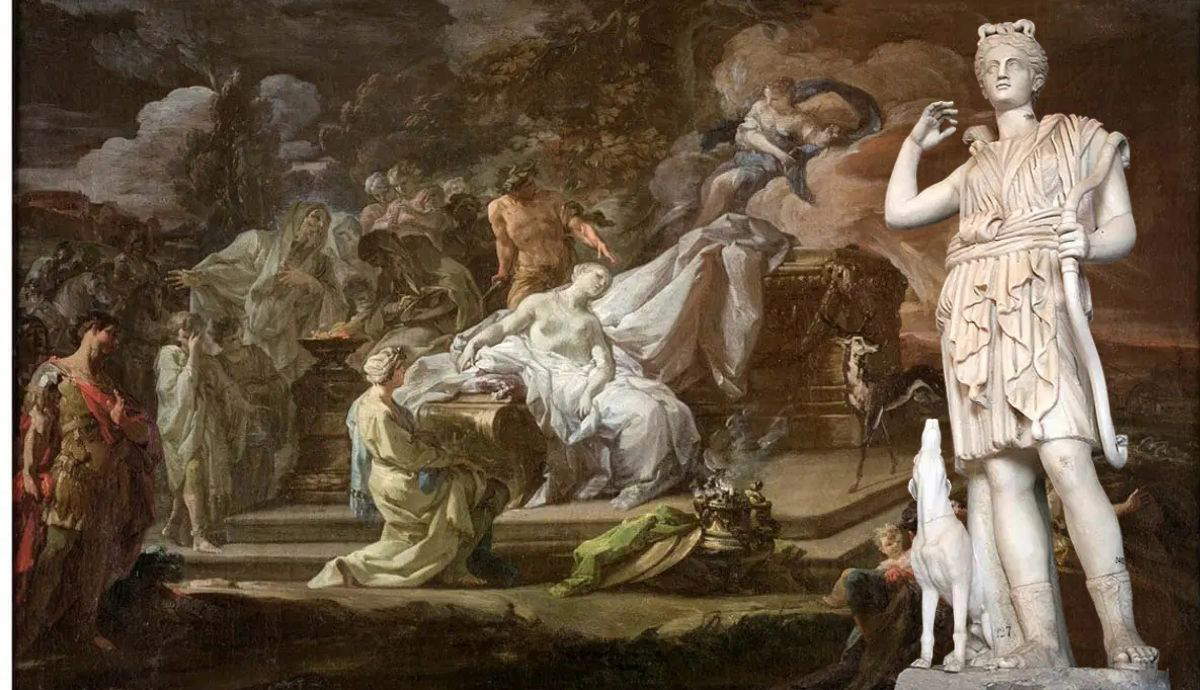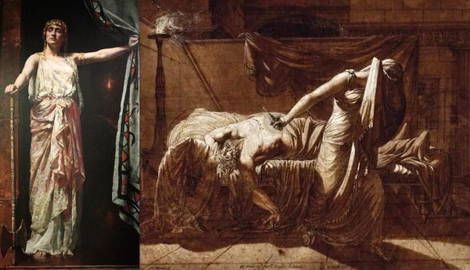

Agamemnon sacrificed his daughter Iphigenia on the altar at Aulis so that the goddess Artemis would free the Greek fleet to sail for Troy. In the surviving sources, this is seen as a horrendous but necessary act. But while the sources may not blame Agamemnon, his wife Clytemnestra did, and she murdered her husband when he returned from the Trojan War. While modern audiences may empathize with her act of vengeance, in Greek society this was an act of unsanctioned murder that put her own family’s blood on her hands. Apollo ordered Orestes to punish his mother for murdering his father, forcing him to commit a similar crime, for which he was pursued by the Furies.
The Sacred Duty of Agamemnon at Aulis
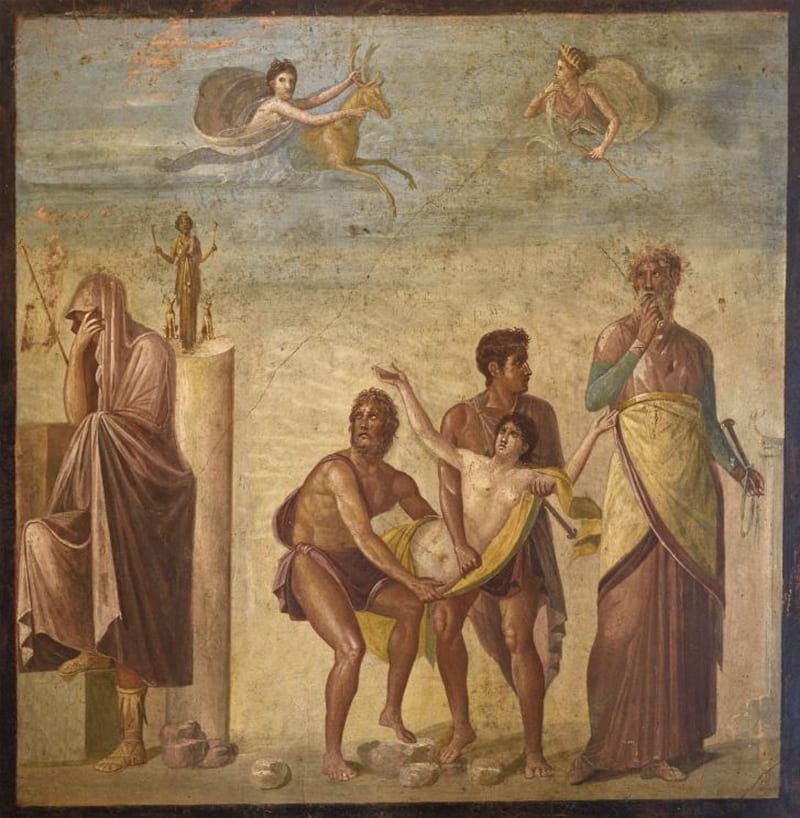
According to Greek myth, King Agamemnon of Argos gathered the Greek army at Aulis to prepare to sail to Troy for the fateful war. While there, he offended the goddess Artemis. The most common story is that he killed one of her sacred stags in her sanctuary at Aulis and then boasted that he was a better hunter than the goddess of wilderness and the hunt herself. In her anger, she calmed the winds around Aulis, stranding the Greek fleet.
Unaware of why the gods had stalled his fleet, Agamemnon consulted the seer Calchas, who told him of his crime and that the only way to appease the goddess was to sacrifice his eldest daughter, Iphigenia, paying for the blood of the stag with that of his daughter. Human sacrifice was considered a horrific and barbaric practice by the ancient Greeks, but one that the gods had the right to demand.
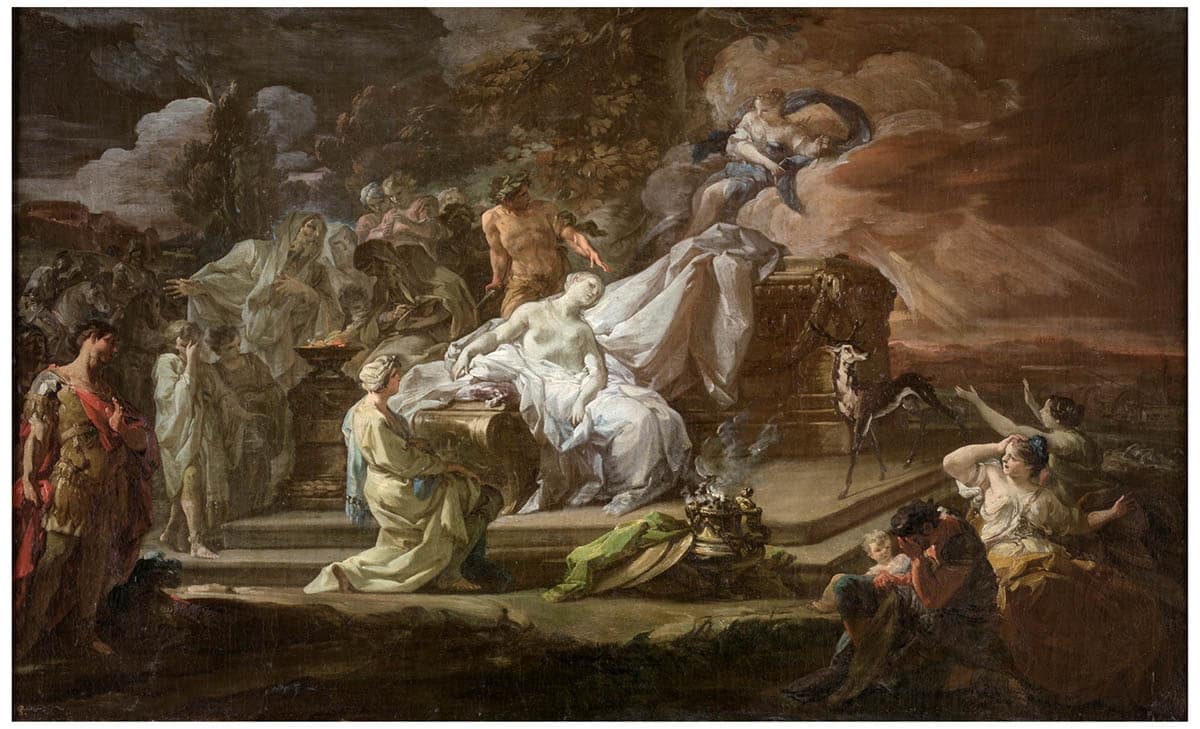
All the surviving sources, from the archaic Hesiod (Homer doesn’t mention the story, though it does appear in the lost epic The Cypria) to the playwrights Aeschylus and Euripides, described Agamemnon as devastated at the prospect of sacrificing his daughter, but accepting the task as a necessary and sacred duty. He has vowed to lead the Greek army against Troy, and he cannot do this until the goddess is appeased. Therefore, the sources do not condemn Agamemnon when he summons Iphigenia to Aulis under the false pretext of being married to the hero Achilles and then sacrifices her on the altar.
The Death of Agamemnon of House Atreus
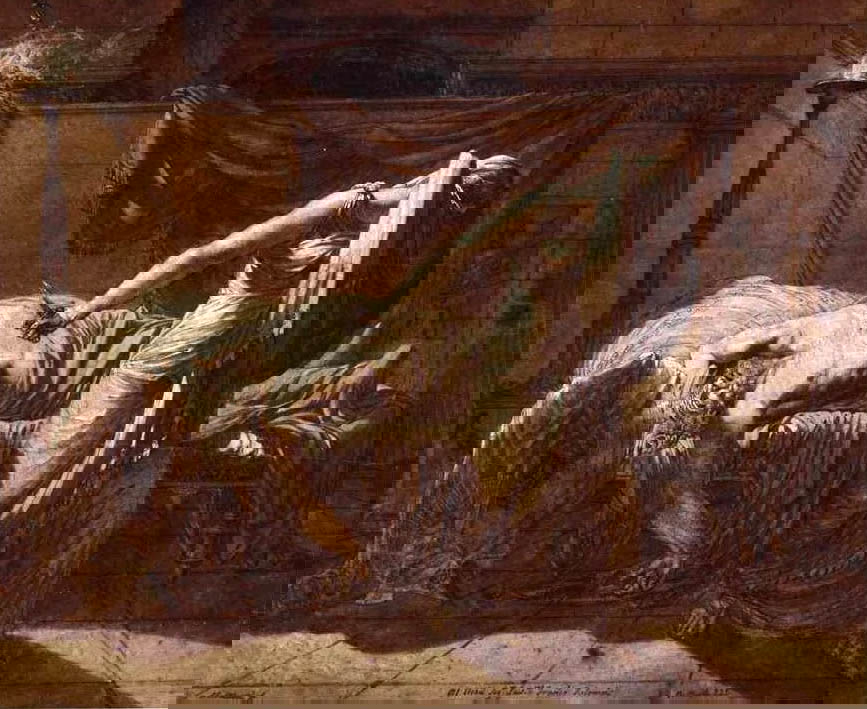
While the sources themselves might not have blamed Agamemnon for his actions, his wife Clytemnestra certainly did. She accompanied her daughter to Aulis, anticipating her wedding to Greece’s greatest hero, only to watch her be sacrificed to the goddess. While Agamemnon was away at war for ten years, Clytemnestra, who was the sister of Helen of Sparta, was back in Argos with growing anger towards her absent husband.
She also found a partner in her loathing for Agamemnon in her lover Aegisthus. He was Agamemnon’s cousin. A generation earlier, Agamemnon’s father Atreus fought for the throne with Aegisthus’s father Thyestes. In revenge, Atreus murdered Thyestes’ young children, cooked them, and served them to Thyestes at a feast. In the aftermath, Thyestes fled and fathered Aegisthus through an incestuous union with his own daughter, following an oracle that said this son would avenge his father. With Agamemnon away, Aegisthus seduced Clytemnestra and fueled her anger towards her husband.
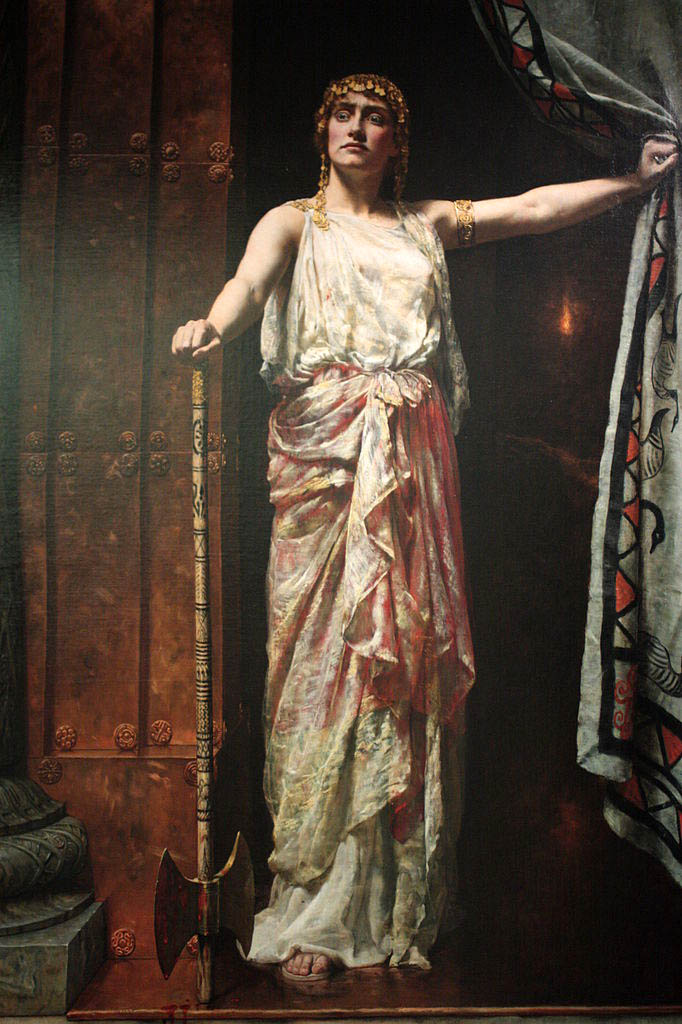
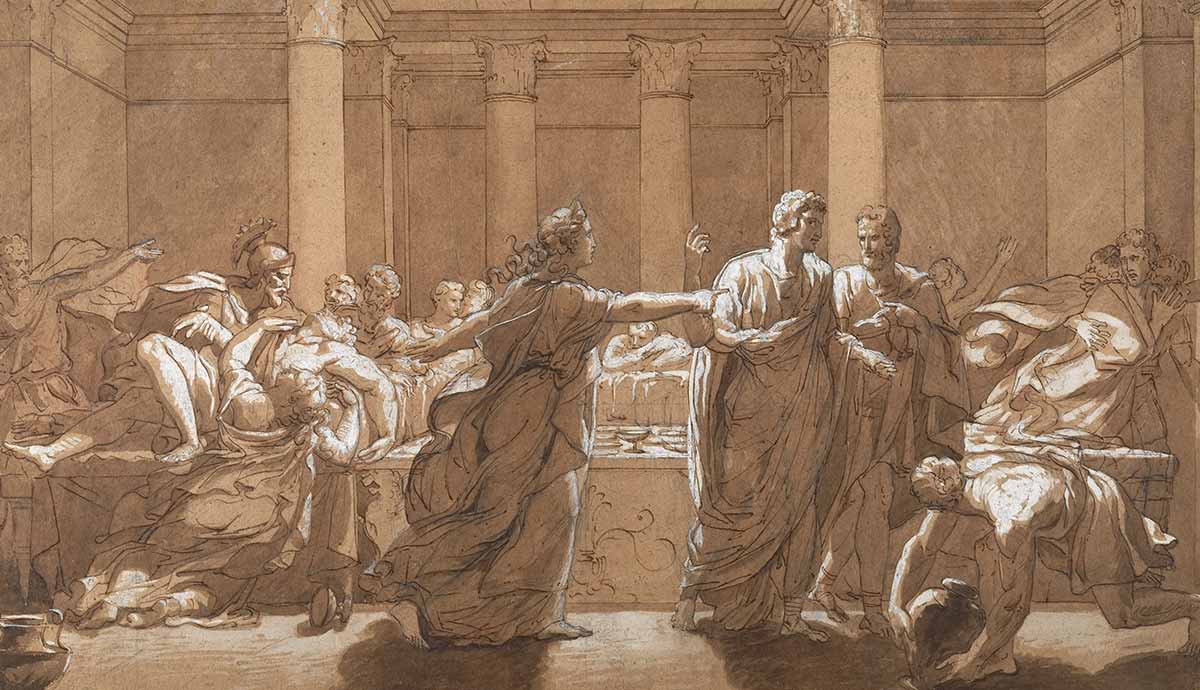
Reportedly, Clytemnestra had set up a chain of fire beacons between Troy and Argos, the capital of Mycenae, so she would know as soon as Troy had fallen and could prepare for her husband’s arrival. Preparing him for his fate, when Agamemnon arrived home, she coaxed him into entering the palace by walking on sacred, crimson robes, an act of hubris that would anger the gods. Then, as he went to bathe, she threw a heavy net over him while in the bath, preventing him from grabbing any weapons, and then struck him down with an axe. While Aeschylus and Sophocles credit Clytemnestra with being the sole killer, in the Odyssey, it is Aegisthus who delivers the killer blow.
The Unsanctioned Crimes of Clytemnestra
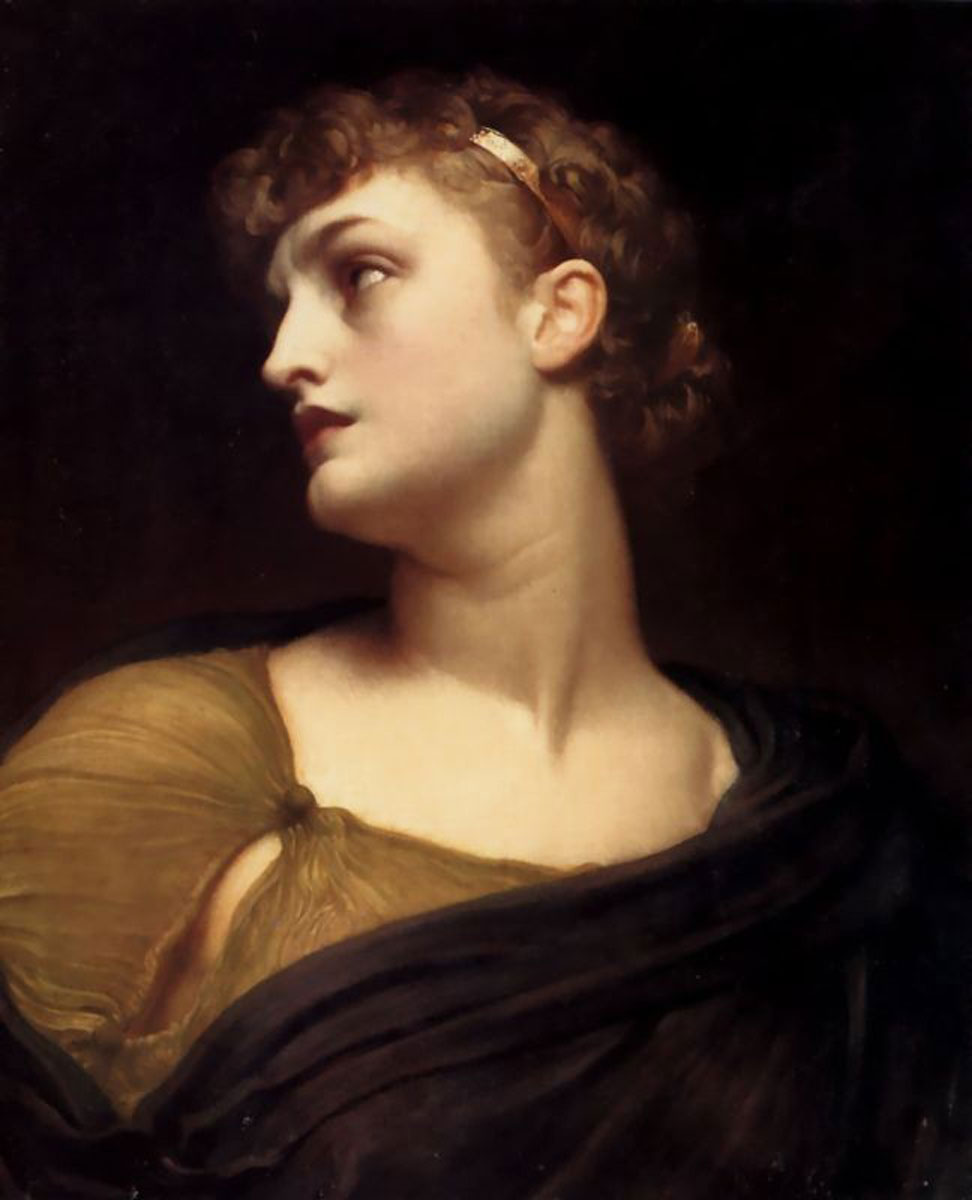
While Clytemnestra killing Agamemnon might seem like just revenge, this is not how it was viewed within ancient Greek society. Agamemnon’s sacrifice of Iphigenia was divinely mandated, while Clytemnestra acted on her own behalf.
Clytemnestra tricked Agamemnon by appearing to welcome him and offering him hospitality. Xenia was more than just hospitality; it was a divinely sanctioned cultural code for how hosts and guests should treat one another in a world where travel was dangerous. Paris broke xenia when he kidnapped Helen from Menelaus, his Spartan host. This was the trigger for the Trojan War.

By killing her lord husband (kyrios), Clytemnestra also undermined the order and sanctity of the household (oikos), and since he was a king, committed an act of treason. In addition, before her husband returned, she sent Agamemnon’s son, Orestes, away to live in Phocis, displacing him as Agamemnon’s rightful heir. This allowed Clytemnestra and Aegisthus to take control.
Apollo and the Divine Warrant for Orestes
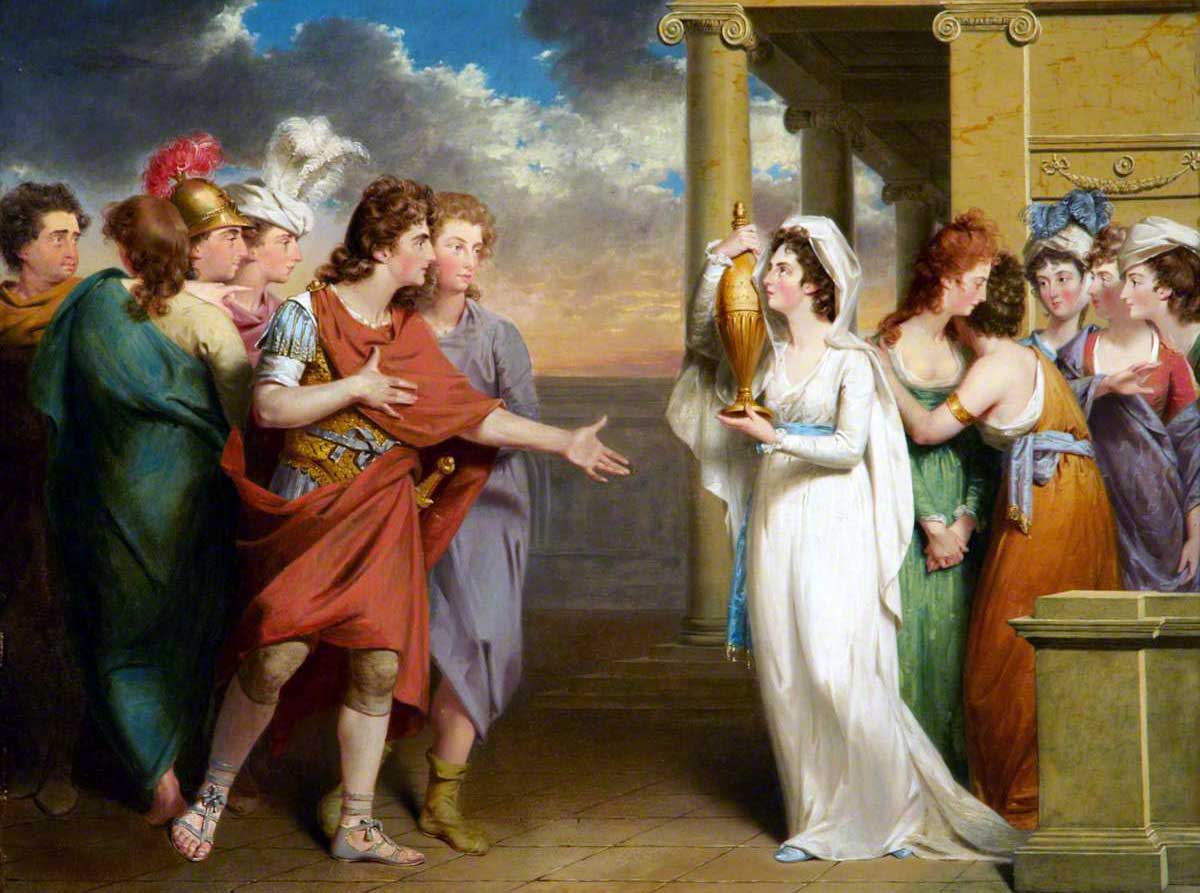
Killing family members was considered one of the greatest crimes, so the curse of the house of Atreus was now compounded by the actions of Clytemnestra and Aegisthus. How would the blood feud end?
Living in exile on Phocis following the death of his father, Orestes eventually traveled to the Oracle at Delphi to ask how he could avenge his father. The god Apollo commanded him that to restore his family, he must kill both Clytemnestra and Aegisthus. This placed Orestes in a difficult position. As the eldest son, he was required to avenge his father, but killing his mother was also an unforgivable crime that would contaminate him with miasma.
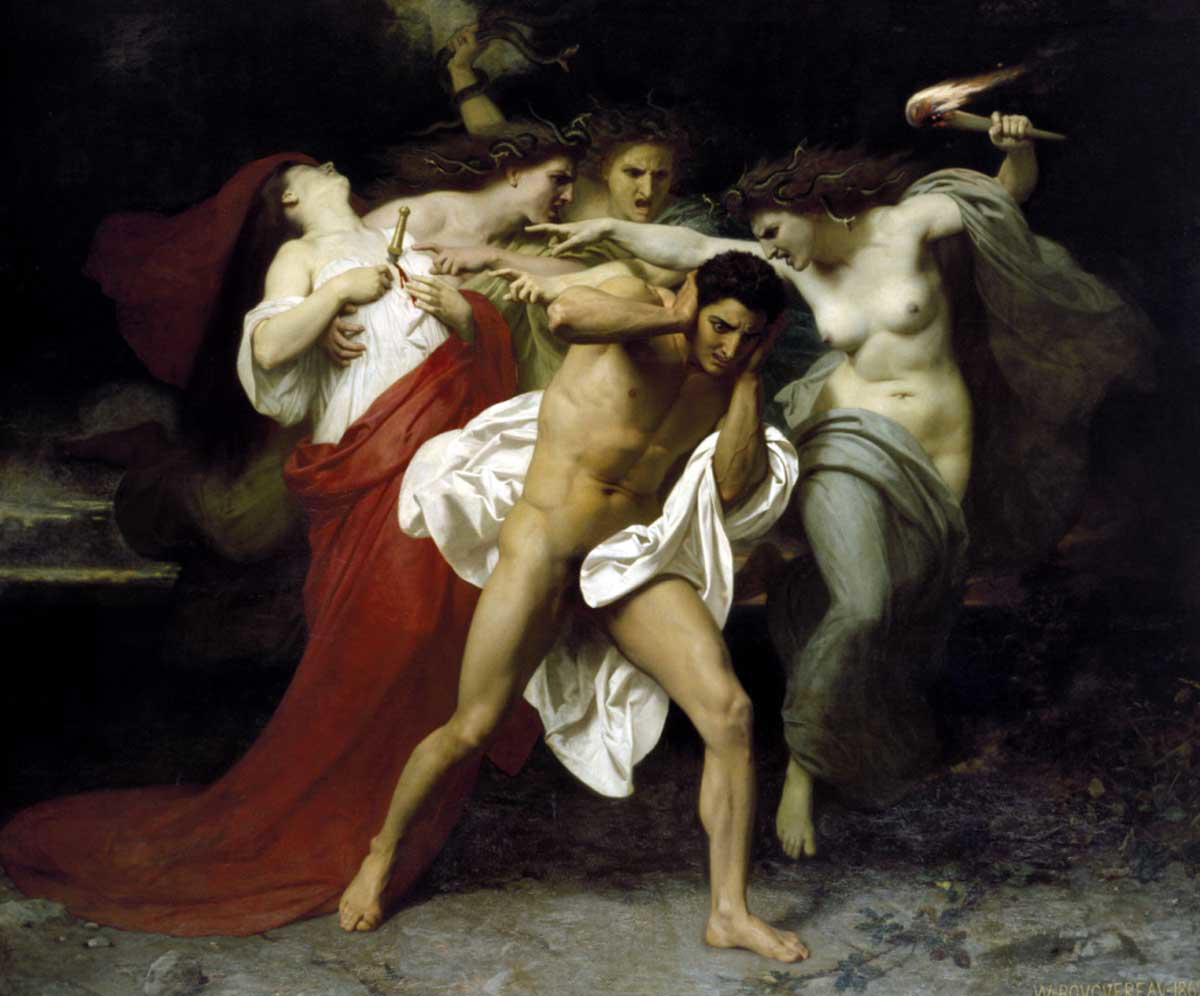
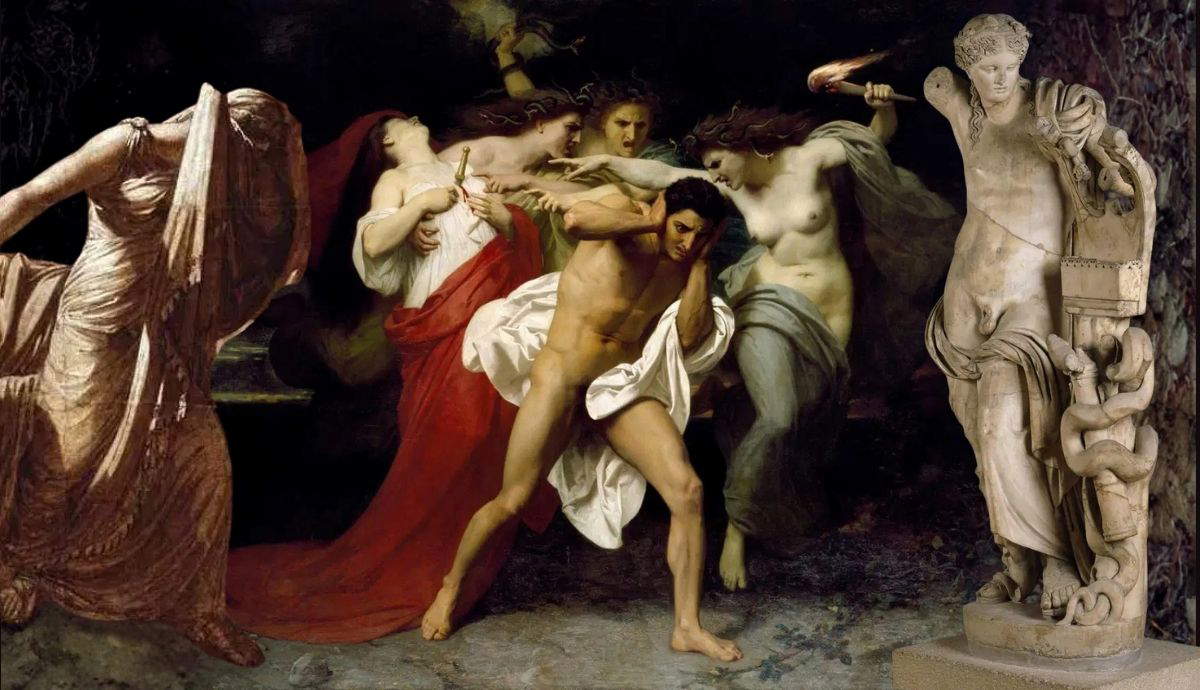
Orestes’ story is told by Aeschylus, Sophocles, and Euripides. He returned to Argos in disguise with his friend Pylades and his sister Electra. He pretended to be a foreign messenger delivering news of the death of Orestes, letting him enter the court and ambush his mother and her lover, killing both. But despite following the orders of a god, Orestes was not spared punishment for the crime against his mother. The Furies or Erinyes, the Greek goddesses of vengeance, immediately descended on Orestes, tormenting him and sending him mad.
How Aeschylus Transformed Family Vengeance into Athenian Law
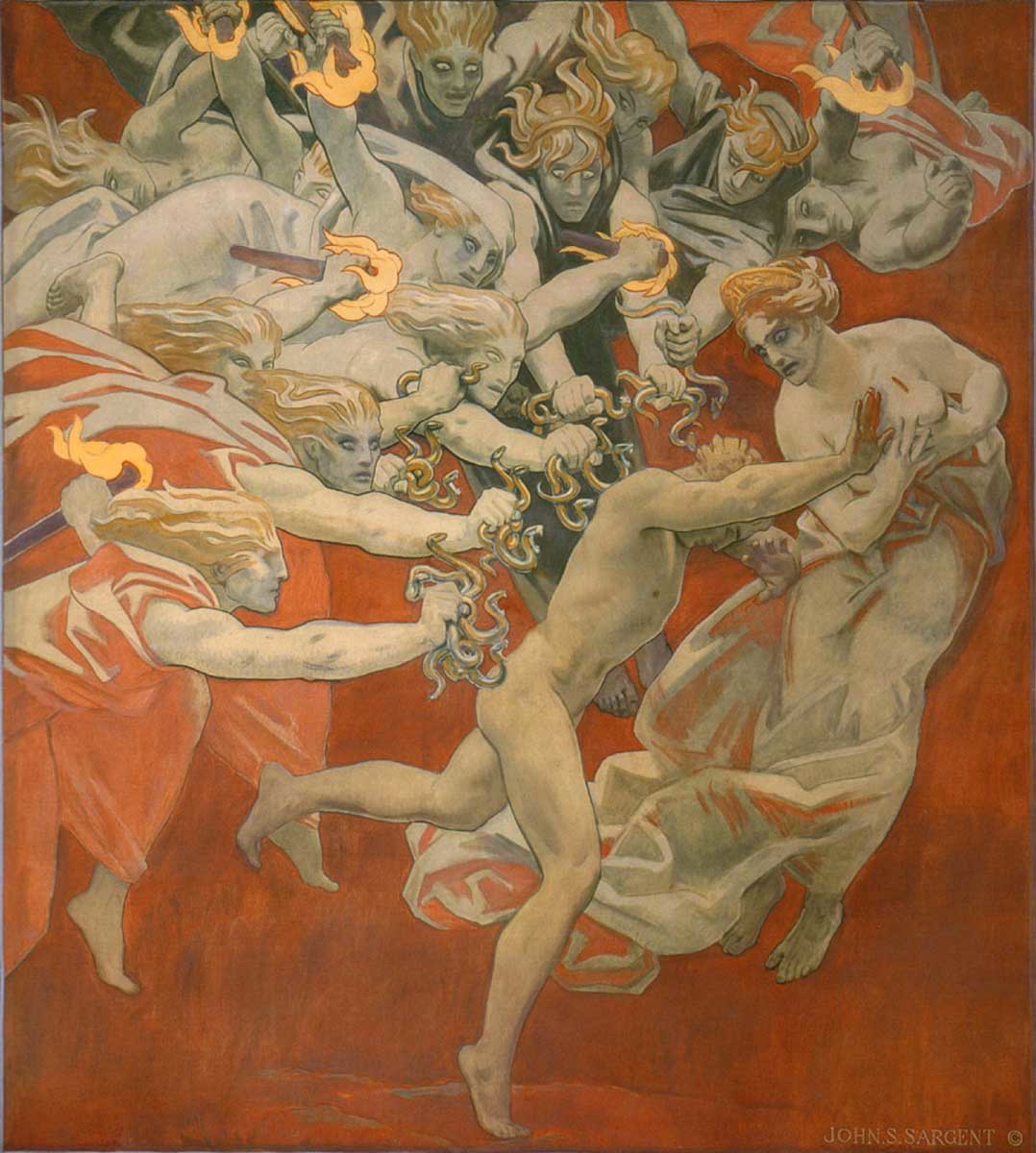
Suffering under the punishment of the Furies, Orestes returned to the Oracle at Delphi, where he was ritually cleansed in pig’s blood by Apollo, but the Furies would not leave him. Therefore, Apollo sent Orestes to seek out Athena in Athens. There, she gathered a mortal jury to judge Orestes’ guilt, establishing the Areopagus, the Athenian law courts.
The Furies acted as prosecutors and highlighted the extreme nature of the crime of matricide. Apollo acted as the defense, highlighting that Orestes had acted according to his command. He also argued that the life of the father was more important than that of the mother, and that Clytemnestra had broken the bonds of family first.
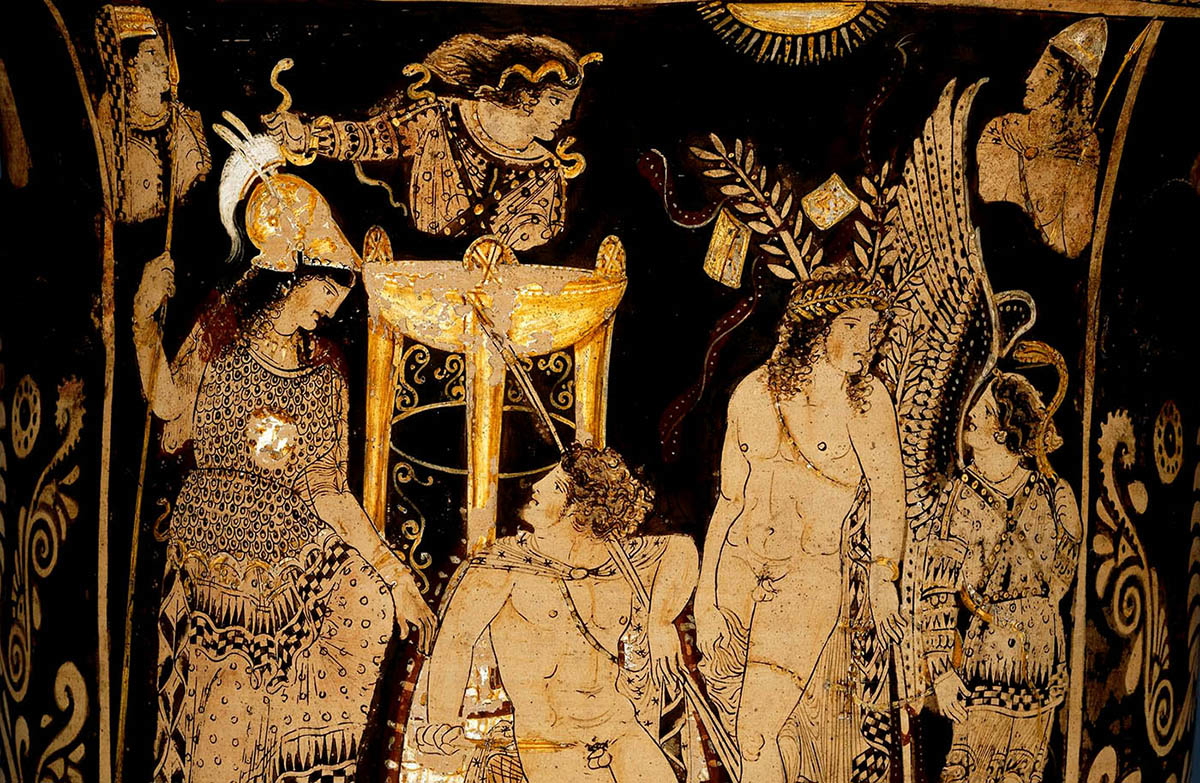
The human jury was tied, so Athena cast the deciding vote in favor of Orestes, advocating that civic order must prevail over endless blood feuds and cycles of revenge. To prevent the angry Furies from destroying Athens, Athena established them as the Eumenides in Athenian religion, the protectors of law and justice. Thus, the cycle of killing ended, and Orestes reclaimed his father’s throne.