






About Jessica Suess
Jessica holds a BA Hons in History and Archaeology from the University of Queensland and an MPhil in Ancient History from the University of Oxford, where she researched the worship of the Roman emperors. She worked for Oxford University Museums for 10 years before relocating to Brazil. She is mad about the Romans, the Egyptians, the Vikings, the history of esoteric religions, and folk magic and gets excited about the latest archaeological finds.
Education
MPhil Ancient History
University of Oxford (2007)
BA Hons History & Archaeology
University of Queensland (2004)
Areas of Expertise
About Jessica Suess
Jessica holds a BA Hons in History and Archaeology from the University of Queensland and an MPhil in Ancient History from the University of Oxford, where she researched the worship of the Roman emperors. She worked for Oxford University Museums for 10 years before relocating to Brazil. She is mad about the Romans, the Egyptians, the Vikings, the history of esoteric religions, and folk magic and gets excited about the latest archaeological finds.
Education
MPhil Ancient History
University of Oxford (2007)
BA Hons History & Archaeology
University of Queensland (2004)
Areas of Expertise
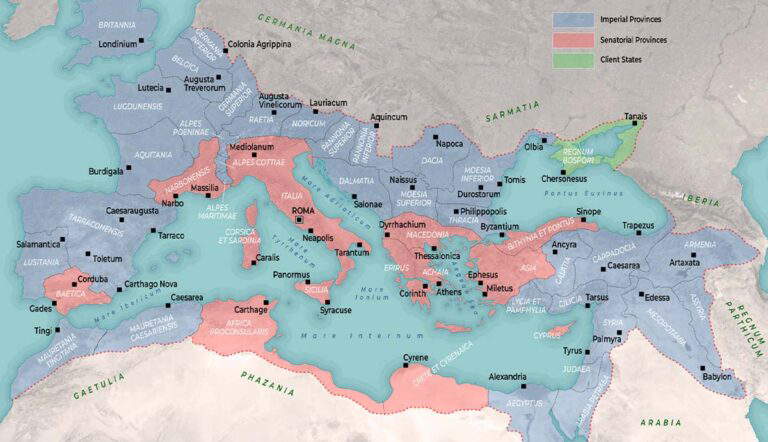
How Rome Ruled Its Massive Provincial Empire
As Rome conquered new lands and people, it created provinces as administrative units to manage its expanding territory and population.
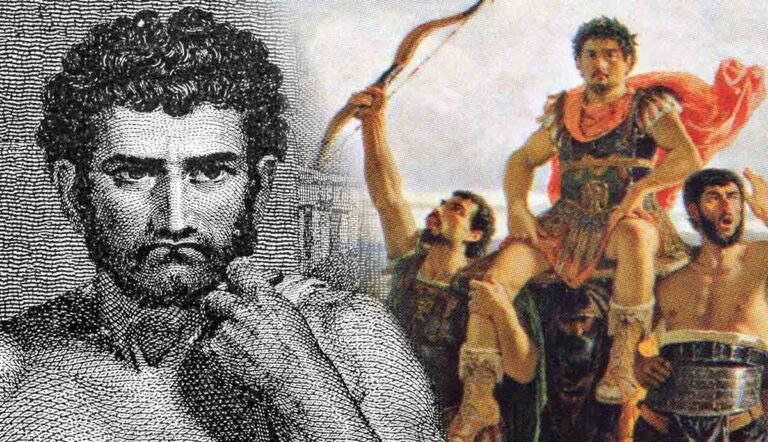
How Gaius Marius Rewrote the Rules of the Roman Republic
Gaius Marius was one of the Republic’s great military heroes with incredible success in the Jugurthine and Cimbrian wars, but his career ended in controversy.
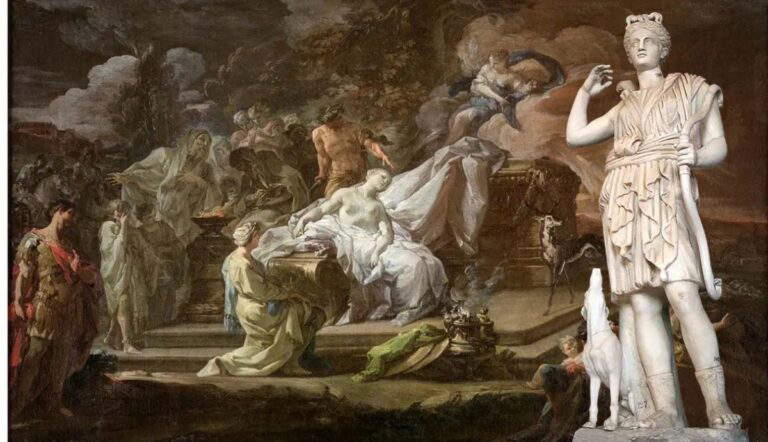
Why Artemis Mandated the Sacrifice of Princess Iphigenia at Aulis
Before the Greeks set off for Troy, the goddess Artemis traps the Greek fleet in a windless sea at Aulis until King Agamemnon sacrifices his daughter, Iphigenia.
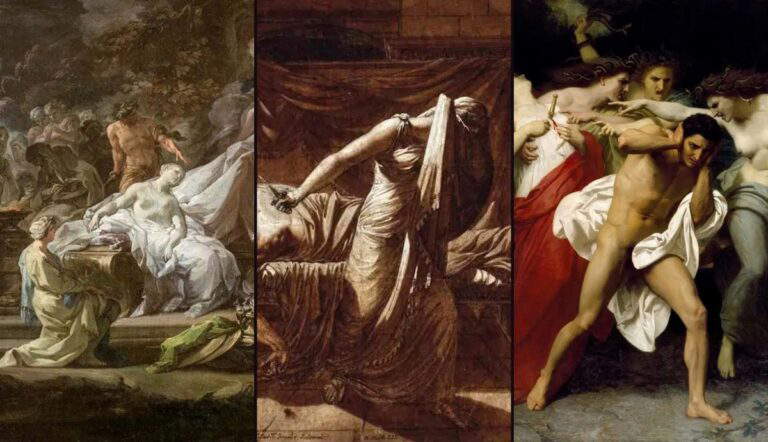
Why the Gods Forgave Agamemnon but Condemned Clytemnestra
When Agamemnon sacrificed his daughter Iphigenia, he was following the mandate of the goddess; when Clytemnestra killed him in vengeance, she was condemned by the divine.
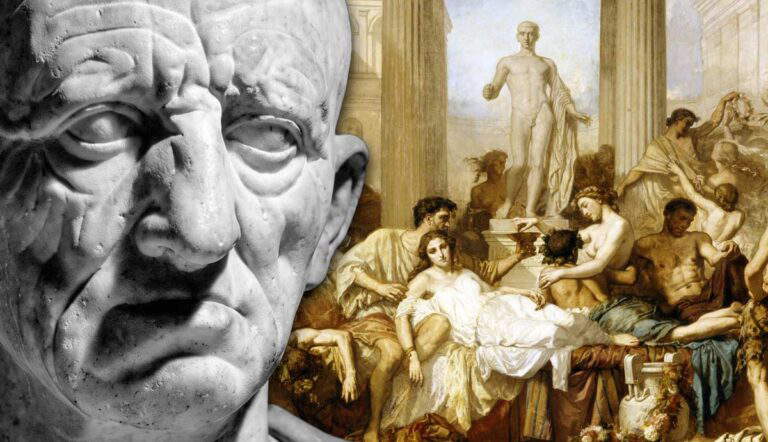
Why Cato the Elder Fought to Save Rome From Foreign Luxury
Cato the Elder (234-149 BC) was a Roman statesman who came to embody “Roman Virtue” as he opposed growing Greek cultural influence and “decadence.”
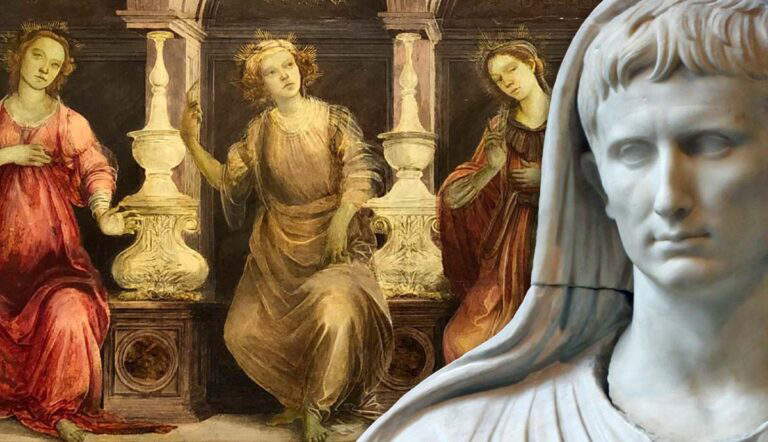
How the Sibylline Books Guided Ancient Rome Through Total Disaster
The Sibylline Books contained ancient prophecies that the Romans believed helped them survive devastating plagues, foreign invasions, and dire threats.
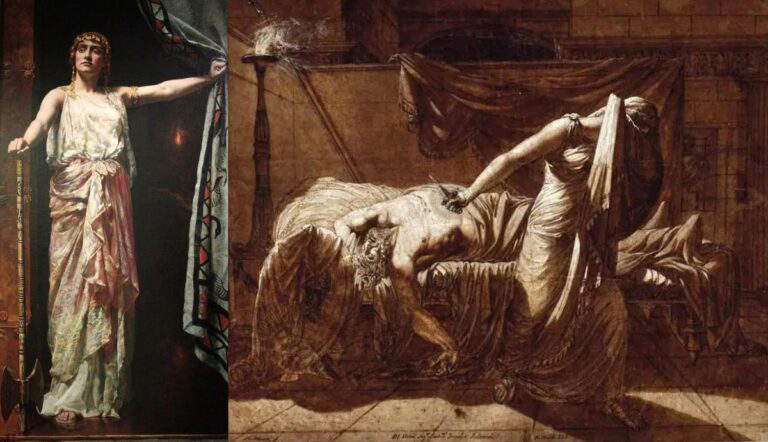
Why Greek Myth Punished Clytemnestra for Murdering Agamemnon
The gods condemned Clytemnestra for killing her husband Agamemnon in vengeance, while the men of her household were exculpated for killing family members.
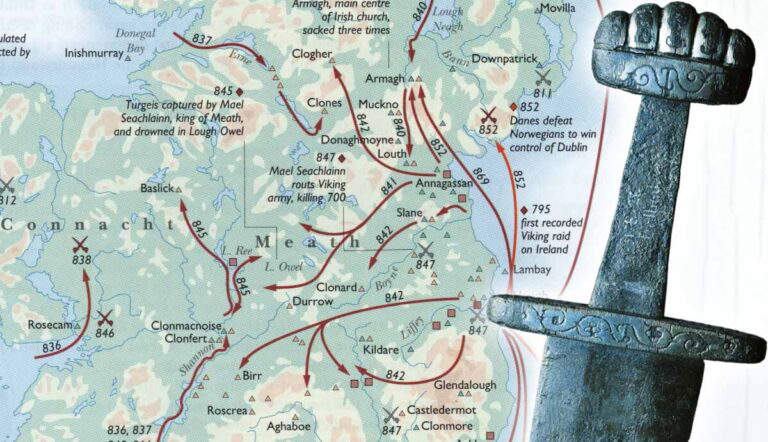
How Viking Raiders Built the First Cities in Medieval Ireland
The Vikings raided and then occupied much of Ireland for a short but intensive period in the 9th and 10th centuries. How did they leave their mark?
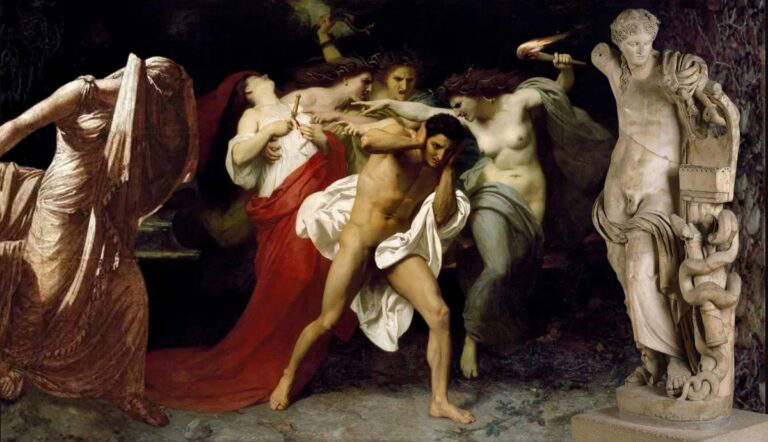
Why Apollo Demanded Orestes Murder His Mother
When Orestes visited the Oracle at Delphi, Apollo commanded him to slay his mother Clytemnestra to avenge his father, leading to the first trial by jury in Athens.
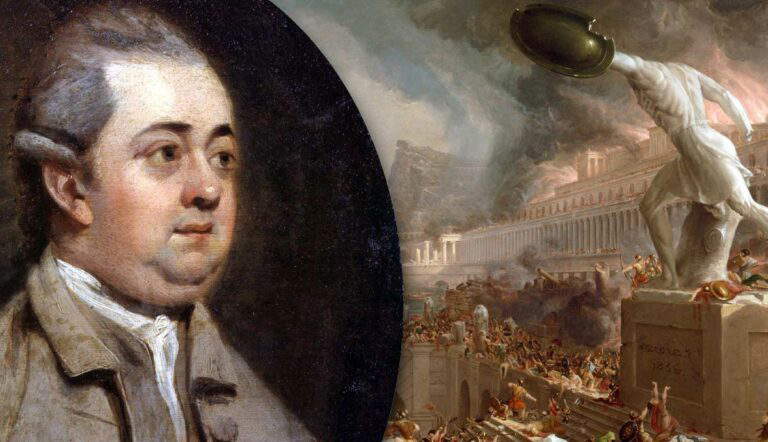
Is Edward Gibbon Still Accurate on the Fall of Rome?
Edward Gibbon published his iconic history in 1776, but what do modern archaeologists and historians think of his core thesis on Rome's collapse.
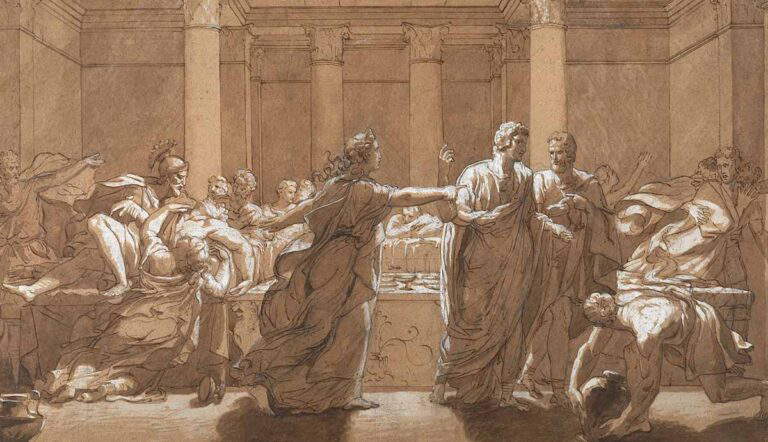
The Tragic Story of Britannicus the Emperor Claudius’ Forgotten Son
Emperor Claudius’s only son, Britannicus, was a victim of the intrigues of the Roman imperial court. He was assassinated and forgotten before the age of 14.
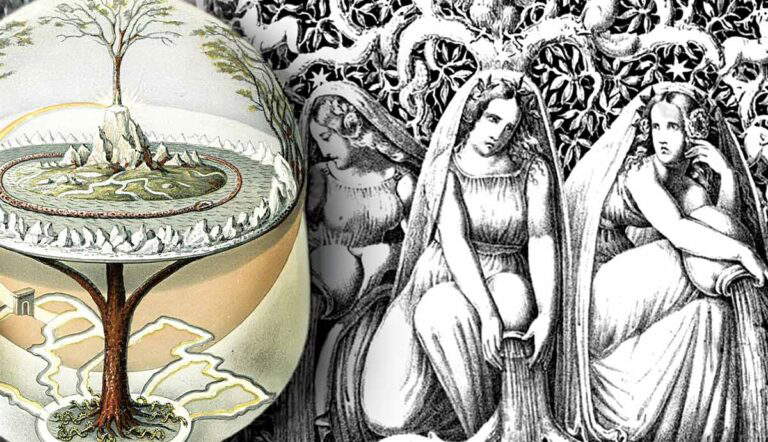
How Norse Witches (Völva) Could Change Destiny and Shape Fate
The Vikings believed in destiny, controlled by the Norns (Norse Fates). They spun Urdr or Wyrd, but Norse witches had the power to see and change fate.