
According to Greek myth, the goddess Artemis demanded the sacrifice of Princess Iphigenia at Aulis because her father King Agamemnon’s hubris in killing a sacred stag and claiming his hunting prowess surpassed that of the goddess. To punish his arrogance and test his commitment to the Trojan War, Artemis halted the winds, paralyzing the Greek fleet. The seer Calchas declared that only the blood of Agamemnon’s eldest daughter could appease the deity, setting in motion one of the most devastating family tragedies in Greek mythology. But why did Artemis, a protector of women, demand this sacrifice, why did Agamemnon inevitably agree, and how did the Greeks understand this horrific scene?
The Divine Crime of Agamemnon at Aulis
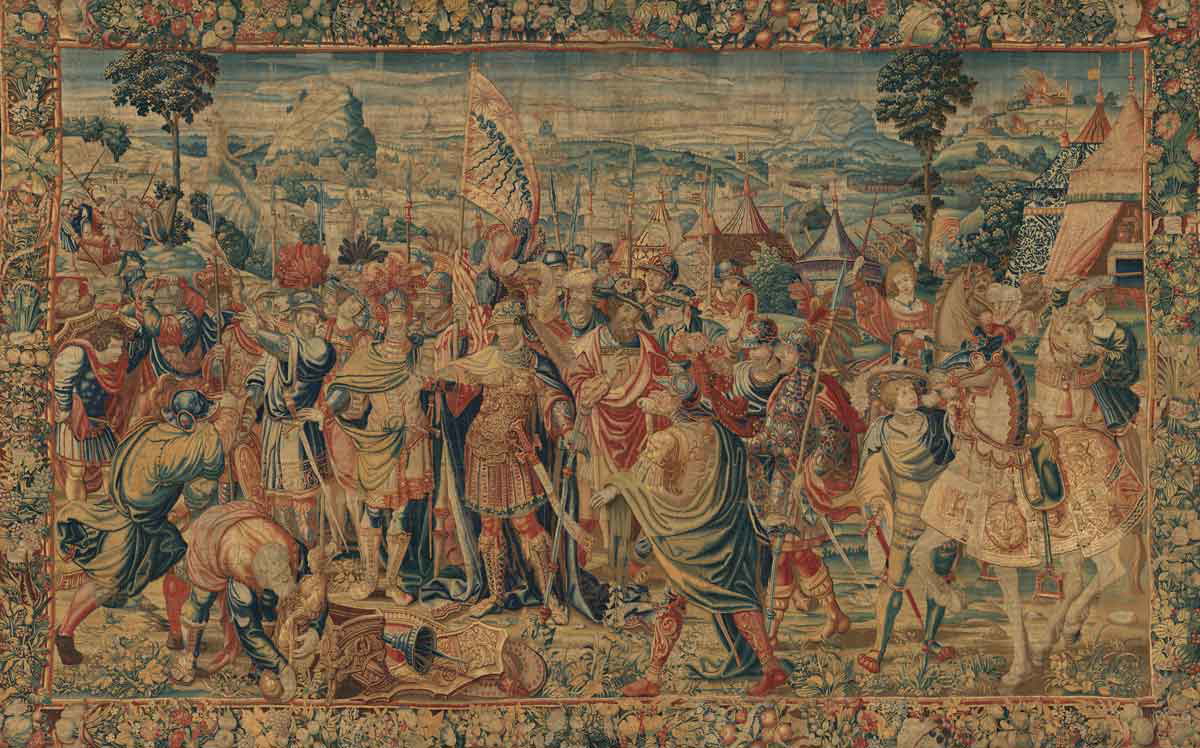
According to the story of the Trojan War, when Paris of Troy whisked Helen away from her husband Menelaus of Sparta, Menelaus’ brother Agamemnon, the king of Argos, assembled the Greek coalition at Aulis to set sail for Troy.
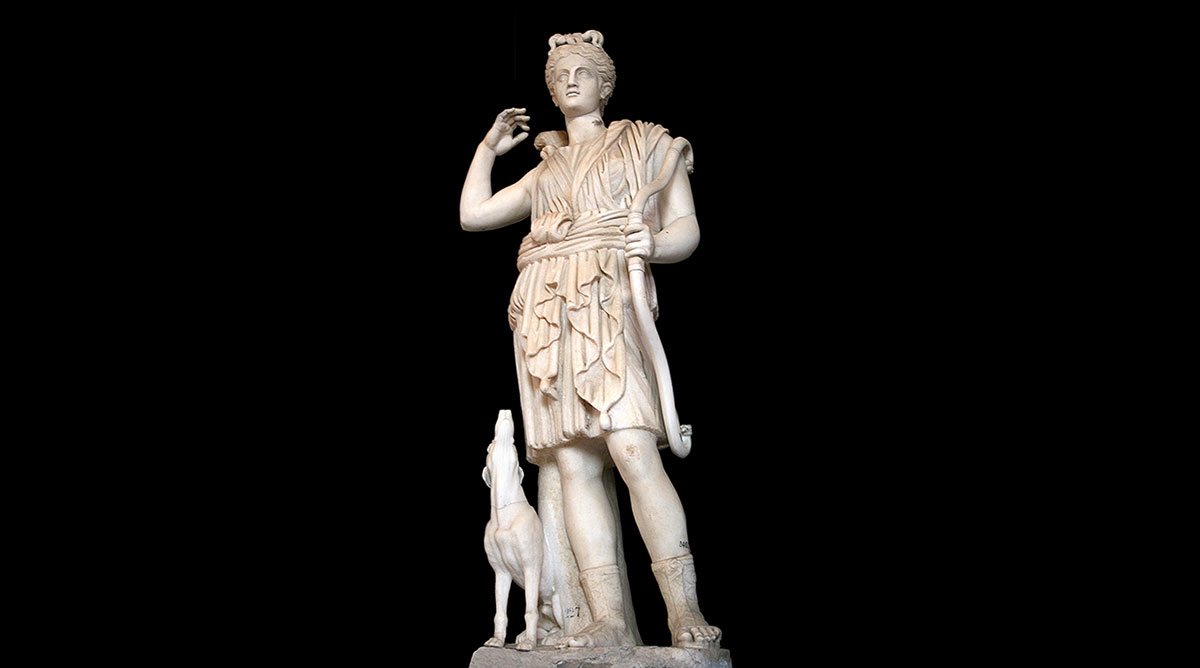
While there, Agamemnon went hunting in a grove sacred to Artemis. She was the goddess of the hunt, wild nature, pregnant women and children, and the boundary between civilization and wilderness. There he killed one of the goddess’ sacred stags. While this was already a sacrilegious offence, he compounded his guilt by boasting about his ability as a hunter, claiming that even Artemis could not shoot as well as he had.
In immediate retribution for Agamemnon’s offence and hubris, Artemis calmed the sea winds, stranding the Greek fleet at Aulis. This was a narrow harbor strait in Boeotia closely connected to her cult, giving her the power to control the conditions there.
Unaware of why his fleet was being detained but keen to set off for war, Agamemnon consulted the seer Calchas. He informed Agamemnon of Artemis’ anger and told him that the only way to appease her and release his fleet was to sacrifice his oldest daughter, Iphigenia, in compensation for the slain stag.
Why Artemis Demanded a Human Sacrifice
This is the most common version of the story of Agamemnon’s crime and Artemis’ anger. It is also one of the earliest, as Proclus records that it appeared in the Cypria, one of the lost epics of the Epic Cycle. The same story appears in later sources such as Sophocles’ Electra, Pseudo-Apollodorus’ Bibliotheca, and Hyginus’s Fabulae.
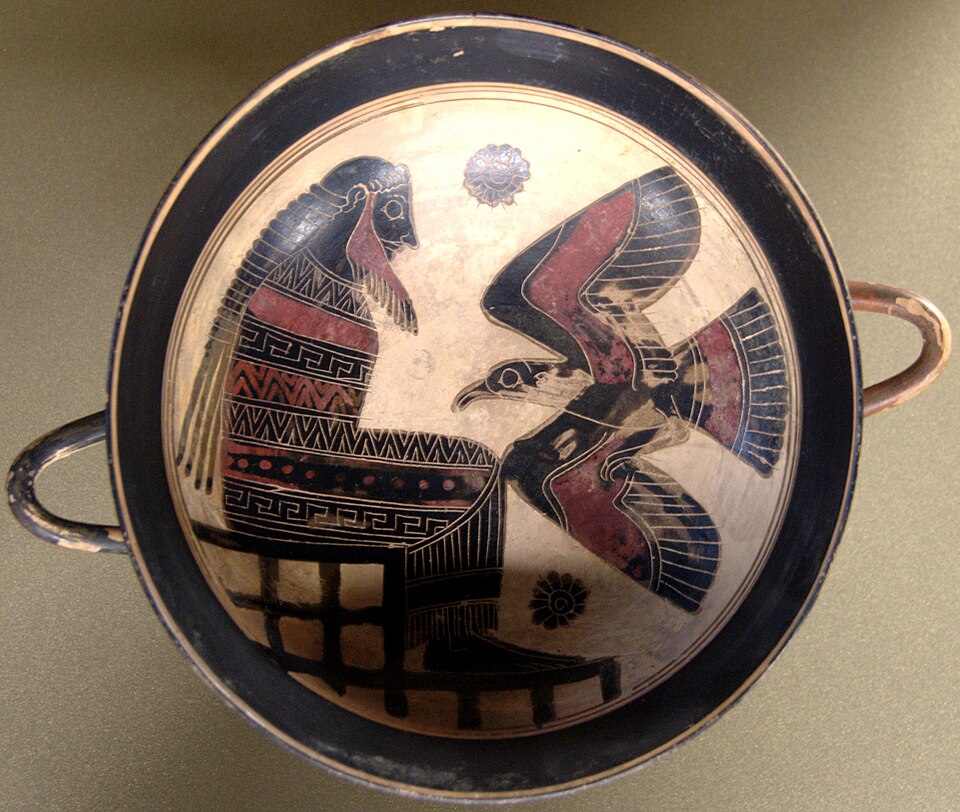
However, in Aeschylus’ tragic play Agamemnon, as the fleet was preparing to set sail, the army saw two eagles, one black and one white, pounce on a pregnant hare and devour both mother and child. The seer Calchas suggests that the eagles are Agamemnon and Menelaus and that the hare is Troy, and that the omen predicts their victory. Even though the omen was sent by Zeus, Artemis is offended by the death of the pregnant animal and the predicted slaughter of the innocent of Troy. She demands that Agamemnon sacrifice his firstborn before he sets off on his bloody mission.
In his play Iphigenia in Aulis, Euripides gives yet another version. He claims that Agamemnon had previously vowed to sacrifice the “most beautiful thing the year brings forth” to Artemis. The year he made the vow, his daughter Iphigenia was born, but he never made the sacrifice. Therefore, when the fleet assembles at Aulis, Artemis takes her opportunity, stopping the wind until Agamemnon fulfills the vow.
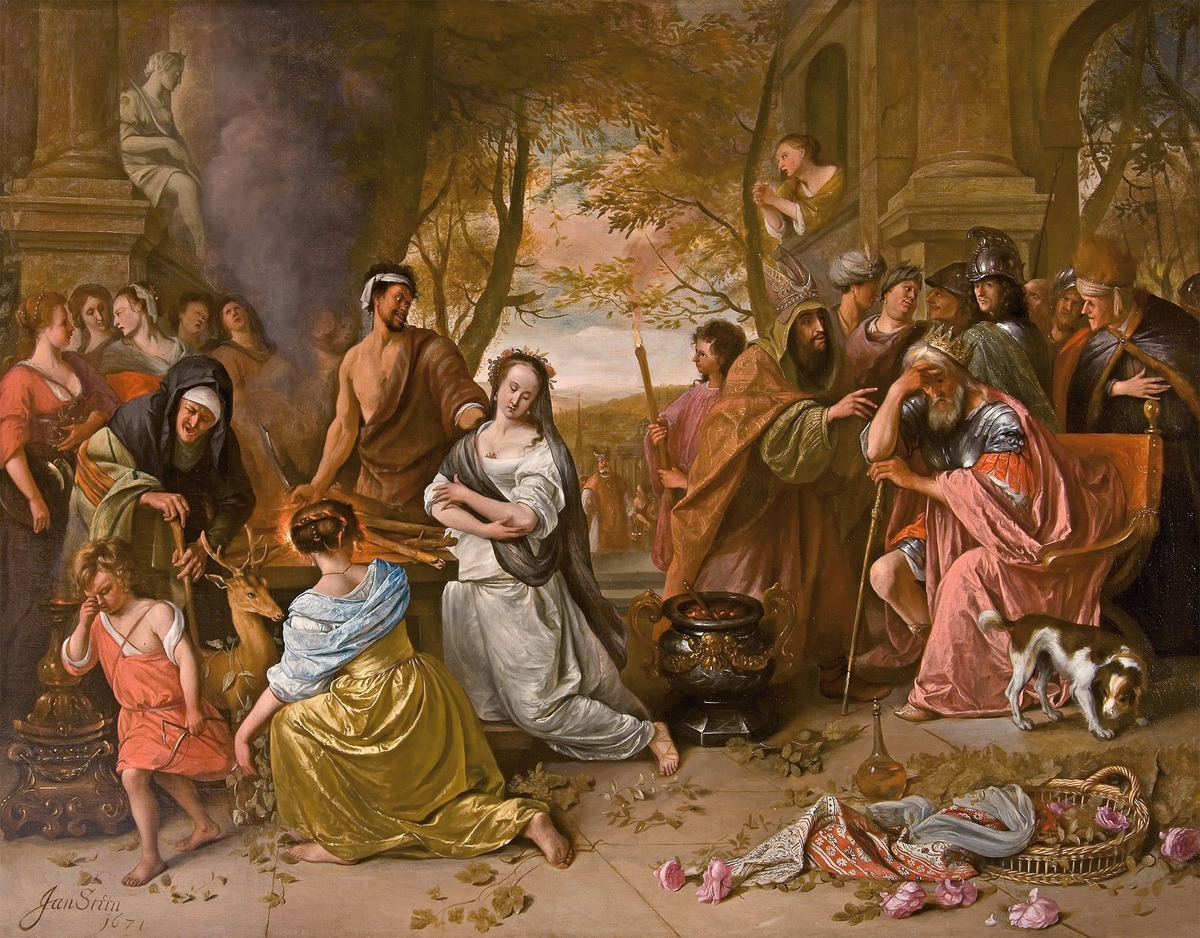
In the play, Agamemnon considers abandoning the war to save his daughter, but pressure from Menelaus, his personal ambition, and fear of losing the respect of the other Greek war leaders drive him to commit what was considered a morally corrupt act and a hallmark of barbarism in the eyes of the ancient Greeks.
When human sacrifice appears in Greek plays, it is usually of an innocent virgin girl, highlighting the senselessness of the act. Aeschylus and Euripides probably change the reason for Artemis demanding the sacrifice to make it seem more justified, but despite Artemis being a protector of women and children, this demand is not out of character. The wilderness was a dangerous place where life demanded death. Artemis’ stories are often filled with this type of vengeance. When Actaeon accidentally came upon Artemis naked, she turned him into a stag and had him torn apart by his own hunting gods.
How Euripides Transformed the Tragedy of Iphigenia
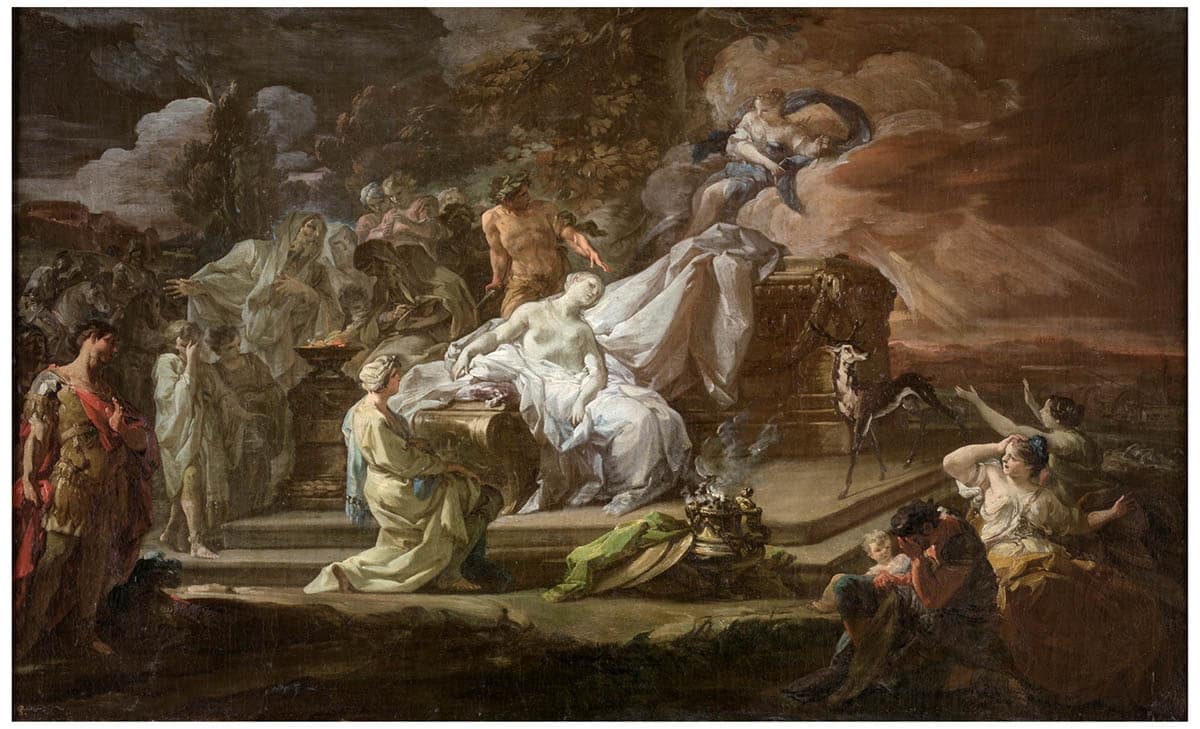
While Agamemnon was horrified by the demand to sacrifice his eldest daughter, he agreed. He was trapped between paternal love and his duty as a military commander and was forced to choose the latter. In some accounts, Odysseus reminds Agamemnon of his solemn oath to lead the Greek army against Troy, an oath he cannot fulfil without appeasing the goddess.
In Euripides’ version of events in Iphigenia at Aulis, Agamemnon knows that his wife Clytemnestra, the sister of Helen, would never agree. Therefore, when he sent a letter to Argos ordering Iphigenia to be sent to Aulis immediately, he claimed that it was to marry her to the hero Achilles to further strengthen the Greek alliance. Achilles was the greatest hero of the Greek army, so this would have been an honor for the princess. Agamemnon reportedly had second thoughts and tried to send a second letter canceling the request, but Menelaus intercepted it, and Clytemnestra arrived, accompanied by her daughter.
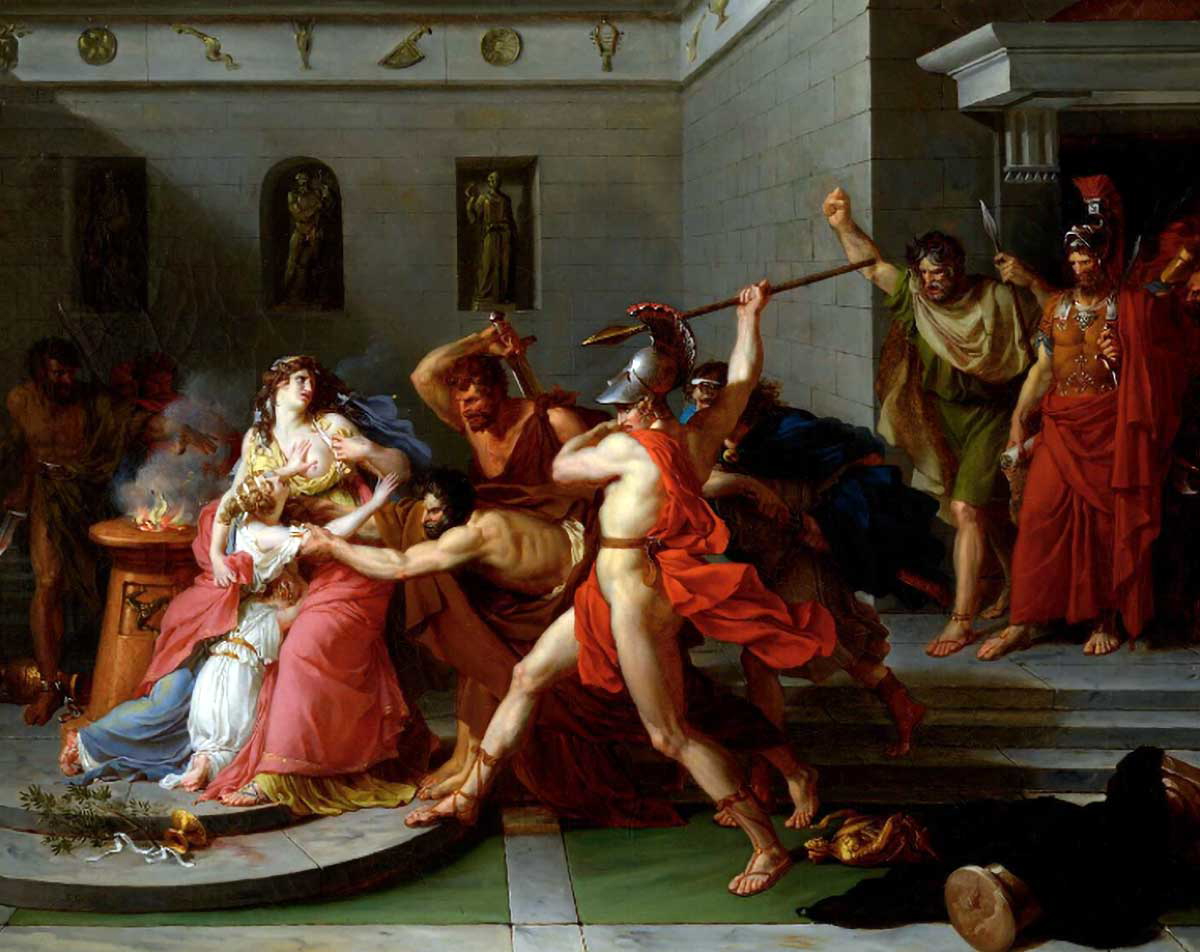
Upon arrival, expecting a wedding feast, Clytemnestra encountered Achilles, who was confused when she congratulated him on the upcoming marriage. The ruse was quickly revealed.
In Aeschylus’ account of the sacrifice, Iphigenia is escorted to the altar in saffron-colored robes, which are removed as she is lifted above the altar like a sacrificial goat by the attendants. She is gagged so that she cannot mutter curses against her family in her final moments (though the Atreidae family of Agamemnon was already cursed). As she looks out on the surrounding generals with pleading eyes, Agamemnon gives the signal, and the sacrifice is carried out in full view of the weeping Greek army. A tragic price paid for the Greek campaign against Troy.
Did Iphigenia Actually Die at Aulis
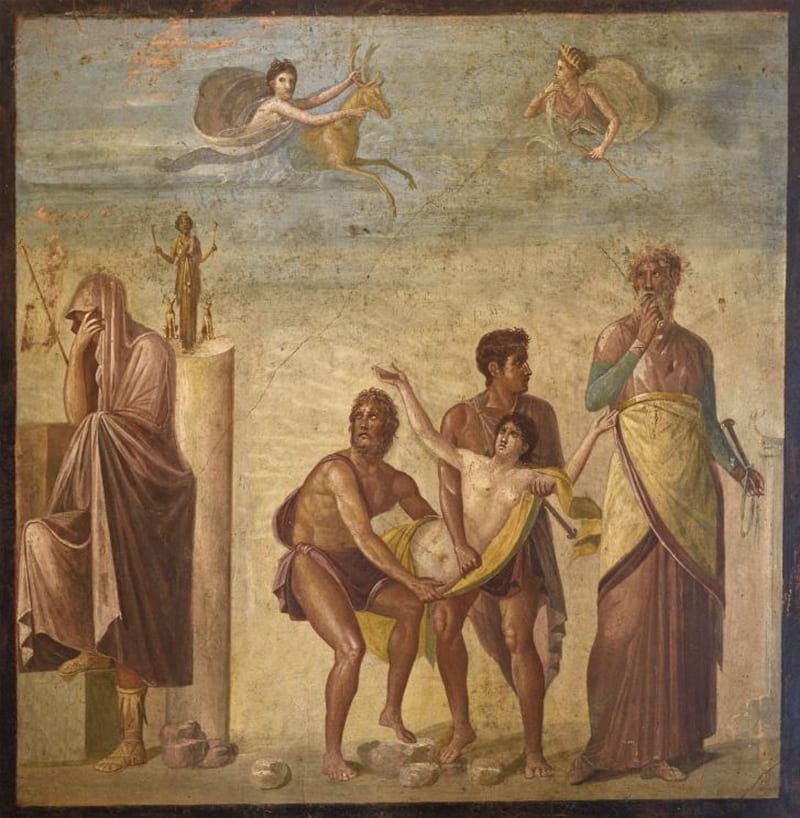
Euripides gives us a less harrowing version of the story. He has Iphigenia bravely accept her fate on behalf of the Greek army and calmly walk into Artemis’ grove to be sacrificed. It is then Agamemnon who covers his face, as he cannot bear to watch. But as the blade is about to strike, Artemis whisks Iphigenia away and replaces her with a deer, which is sacrificed in her place. But Agamemnon and the rest of the Greeks are left ignorant of the switch.
Artemis deposits Iphigenia at a place called Tauris, in modern-day Crimea, where she is made high priestess of the goddess’ temple. Agamemnon’s willingness to sacrifice his daughter meets Artemis’ requirements, so she frees the Greek fleet, but she saves the young woman for her courage and bravery.

With his sleight of hand, Euripides lightens the load and also opens the possibility of continuing the princess’s story in his sequel Iphigenia in Tauris (authors always have to have an eye on the sequel).
At Tauris, Iphigenia is recast as a new type of tragic heroine. She is forced to work as the priestess of King Thoas, preparing the bodies of any foreign sailors who wash ashore to be sacrificed on the altar to Artemis. For these barbarians, human sacrifice does not hold the same horror, and Iphigenia is forced to participate.
The Aftermath of Iphigenia’s Sacrifice
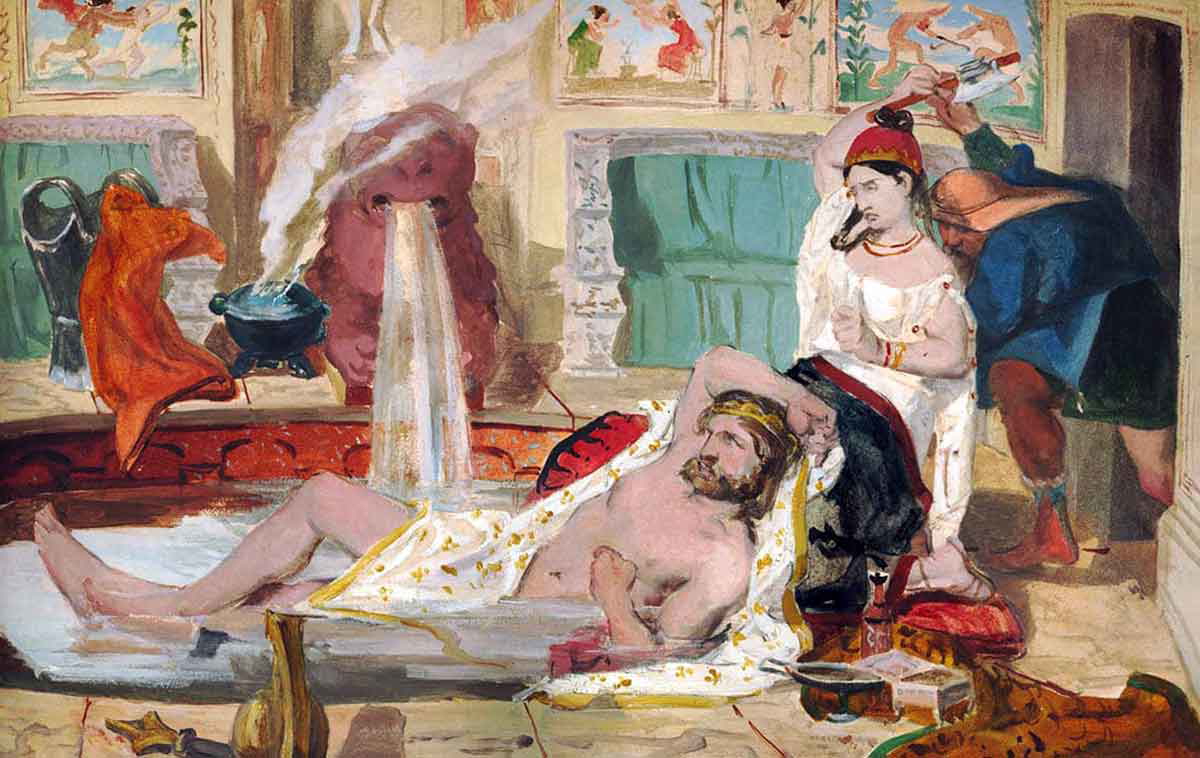
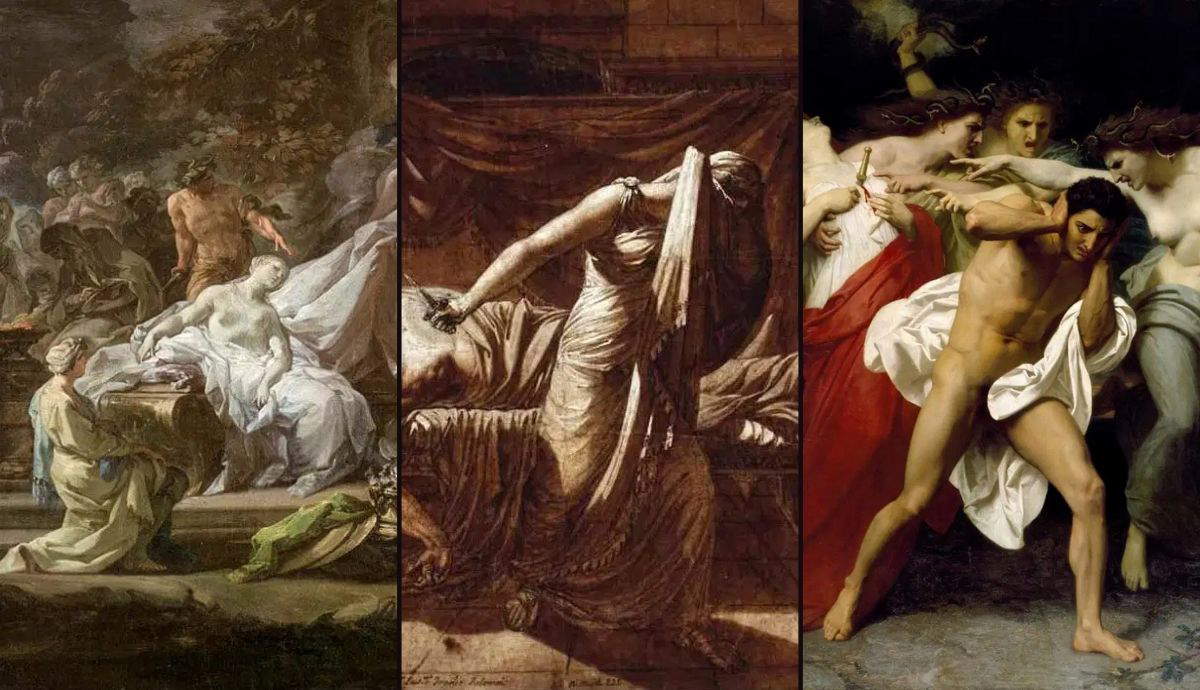
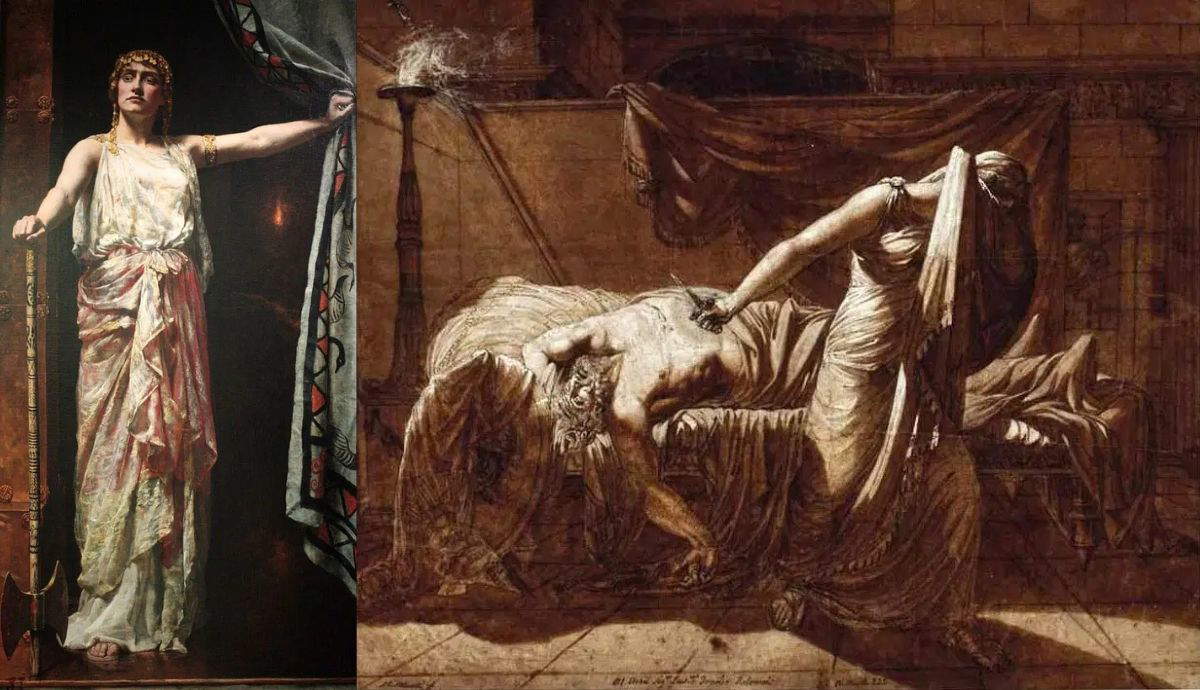
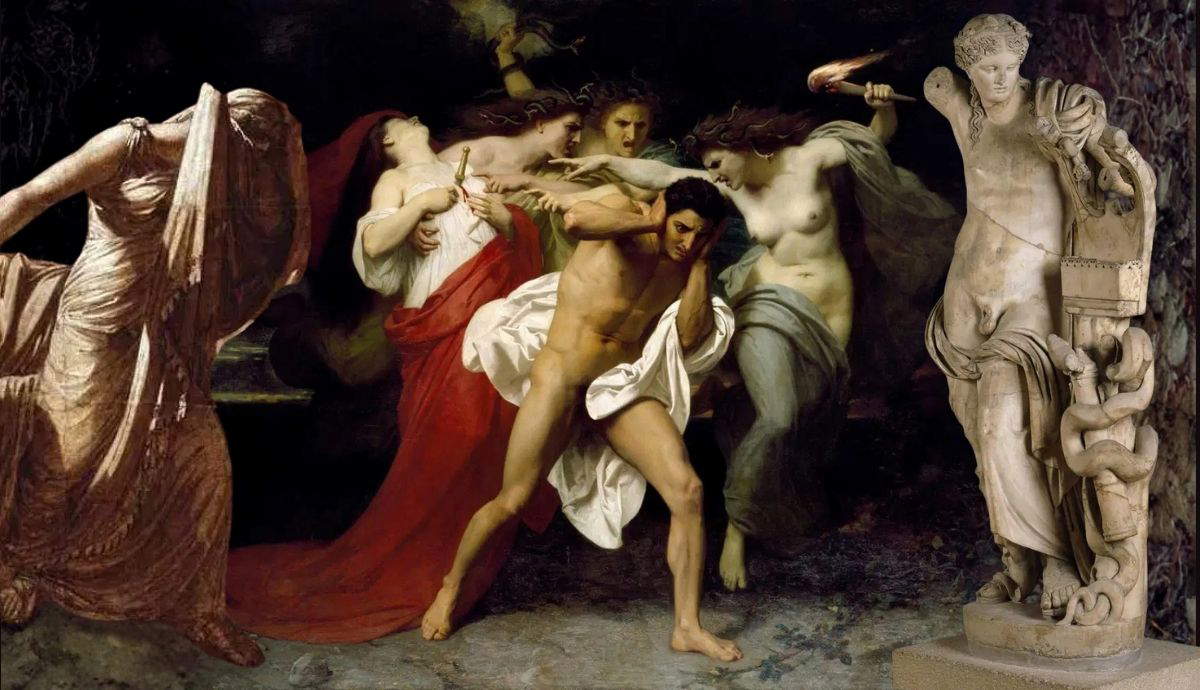
When the Trojan War is over, Agamemnon returns triumphant to Argos, where his wife Clytemnestra has been nursing her anger for a decade. She and her lover Aegisthus kill Agamemnon and take control of his kingdom. While Clytemnestra considered her actions just, Agamemnon’s son, Orestes, later returned and killed his mother for her actions following the orders of the god Apollo.
Killing family members was considered a blood crime, regardless of the reason, so this cycle of killing drove the family into a deep curse. Orestes was driven mad by the Furies, the goddesses of retribution, and could not take on the kingship while he was insane. He went to Athens, where Athena set up the first trial by jury, and Orestes was acquitted for his actions.
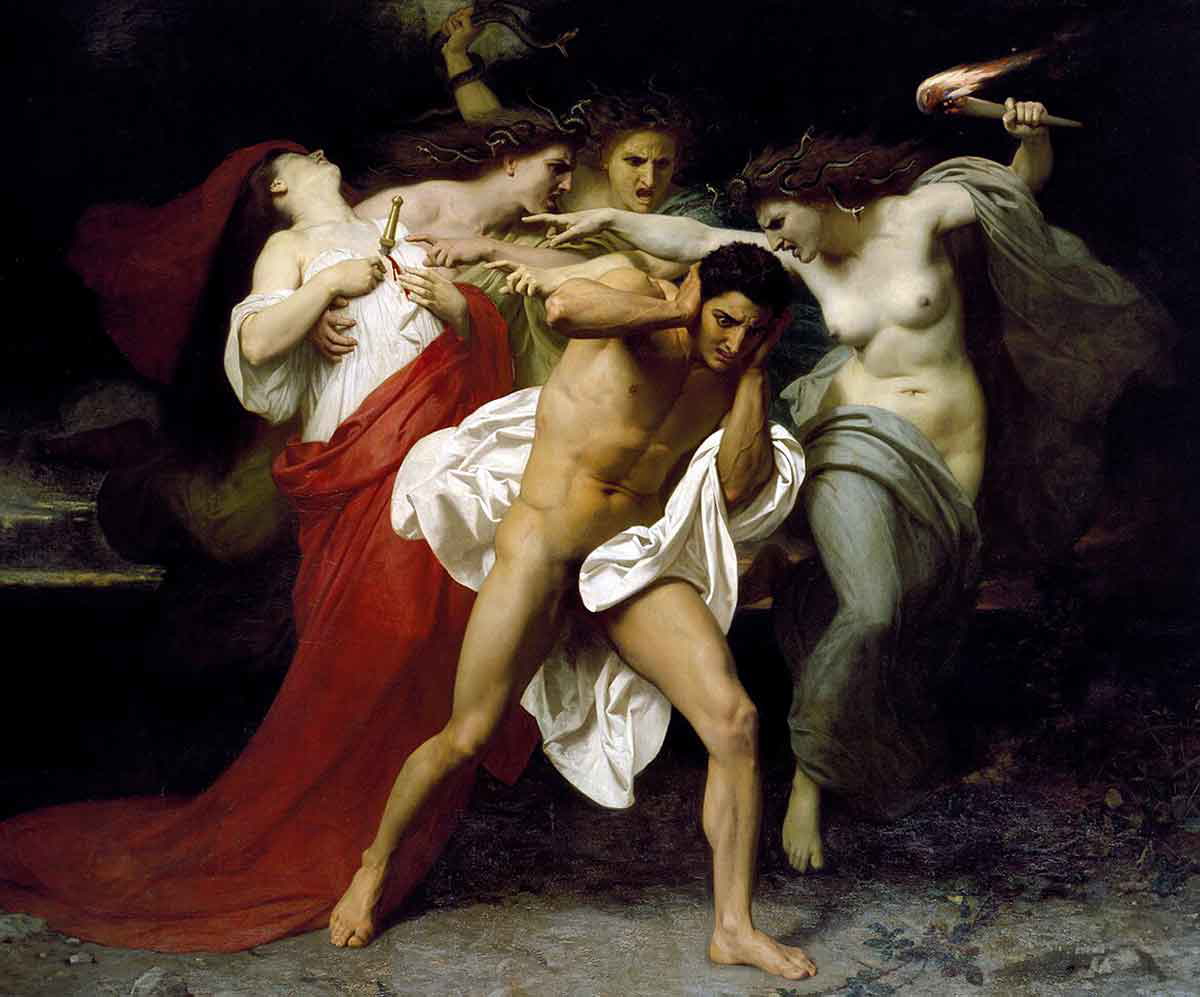
Despite this, the Furies refuse to let Orestes go. He travels to the Oracle at Delphi looking for a solution, and he is told to sail to Tauris and retrieve the cult image of Artemis there and return it to Greece. When he arrives, Orestes is captured and taken to the priestess to be prepared for sacrifice. He discovers that the priestess is none other than his sister, presumed dead. Together they trick King Thaos, steal the sacred statue, and sail back to Greece, where a now-sane Orestes can take over the kingship of Argos.
Iphigenia serves as the priestess of Artemis Brauronia for the rest of her life. Upon death, she is granted immortality by Artemis for her faith and years of service. Hesiod suggests that Artemis dripped Ambrosia on her head, granting her eternal youth and transforming her into the underworld goddess Hecate. Another regional myth says that upon becoming immortal, she was transported to the White Island in the Black Sea where she was wed to Achilles’ resurrected soul, bringing her story full circle.
The oldest stories probably saw Iphigenia die on the altar at Aulis, as just one more bloody scene in the Trojan War. But the ancient Greeks, who, much like modern audiences, found it difficult to accept unprovoked violence against an innocent, invented ways for her to endure and overcome her divine fate.