
The Code of Hammurabi communicates the centuries-old adage of an “eye for an eye.” In 1941, many countries felt the desire for equal retribution against the Axis Powers, including the United States. The Japanese attacks on Pearl Harbor not only shocked America, but the surprise assault forced the country’s hand into succumbing to calls to end military neutrality and officially enter World War II. While Uncle Sam quickly ramped up military recruiting, training, manufacturing, and deployments, the country still felt a burning hole that only an operation like Doolittle’s Raid could accomplish.
United States Forced Into World War II
Although World War II began with Germany’s invasion of Poland in 1939, the United States refrained from entering the war as a combatant for two years, choosing to provide political and economic support to the Allied Powers. As Japan escalated military operations against China, the United States found itself in active peace talks with Axis Powers to avoid American involvement in another world war.
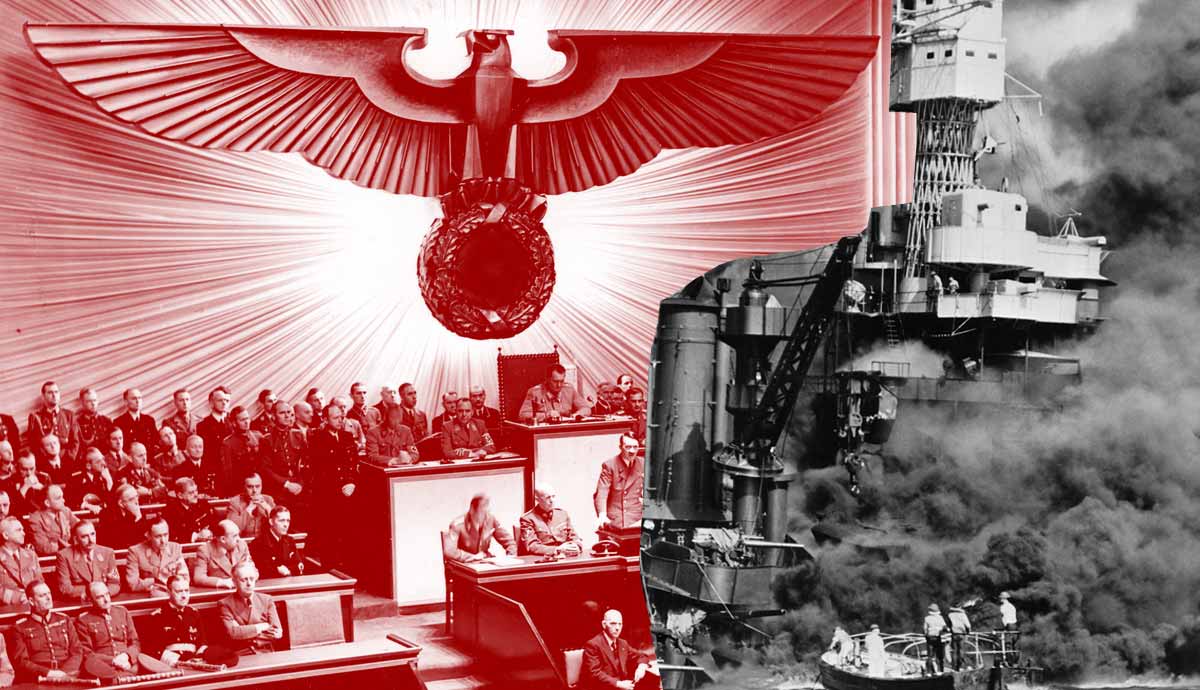
Peace discussions between the United States and Japan reached a climax in November 1941. The United States’ demand for Japanese withdrawal from China caused peace negotiations to collapse, leading Japan to launch an invasion of Southeast Asia alongside a surprise attack against America’s Pacific Fleet at the naval base of Pearl Harbor on the island of Oahu, Hawaii.
The resulting attack on December 7, 1941, proved catastrophic for the United States. Japanese torpedoes and aerial bombardments destroyed numerous battleships and nearly 200 aircraft, killing over 2,400 uniformed personnel and civilians. Amidst the remaining chaos of treating thousands of casualties and repairing damaged equipment, President Franklin Roosevelt declared the surprise attacks as a day that would live in infamy, calling on Congress to declare war on the Axis Powers. The attack on Pearl Harbor demonstrated that Roosevelt’s efforts to avoid military involvement in the Second World War were in vain, and the American general staff immediately began to plan mobilization and responses to the Japanese attacks.
Preparations for the Raid
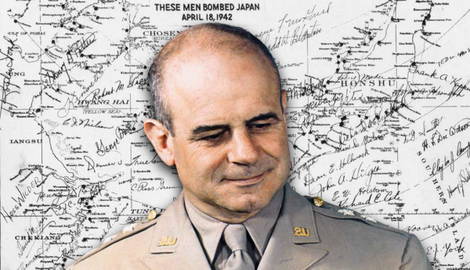
Following Pearl Harbor, the United States quickly enlisted thousands of troops, trained units for deployment to North Africa, and prepared naval assets for action in the Pacific. Three months later, many ships damaged at Pearl Harbor were already back in action, but American military leaders were eager to strike the enemy. The United States hoped to attack the Japanese home islands in retribution for the attacks in Hawaii that left thousands dead and dragged the country into war. To accomplish this unlikely feat, Army Lieutenant Colonel James H. Doolittle was tasked with planning a bombing raid against Japanese targets. The experienced aviator handpicked the most talented pilots he knew, many of whom lost close friends at Pearl Harbor.
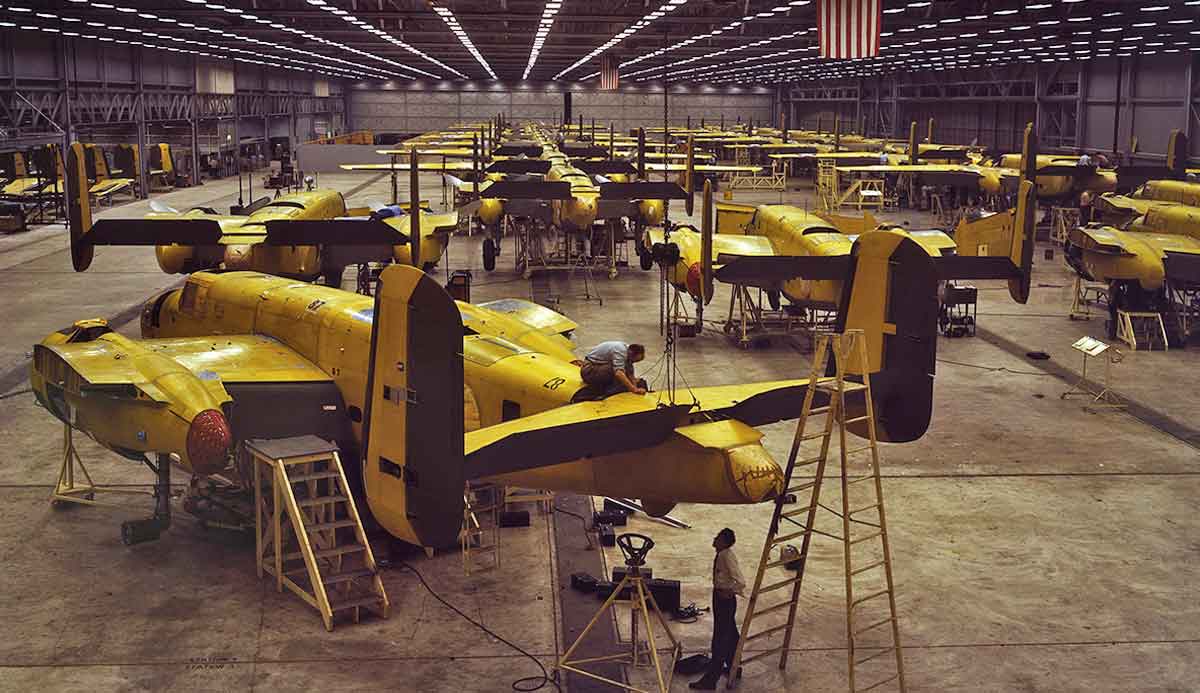
Doolittle understood that a raid on Japan’s homeland would be inherently high-risk. Without advanced positioning, protection from fighter escorts, or a secure landing zone, the mission likely represented a one-way trip for the pilots daring enough to volunteer. To make the journey, 16 B-25 Mitchell Bombers were equipped with additional fuel cans and stripped of unnecessary weight to allow safe takeoff from American aircraft carriers. Unaccustomed to taking flight with less than 400 feet of runway, Doolittle and his bombing teams practiced hasty take-offs at Eglin Airfield in Florida and honed their skills of guiding flight navigation celestially in the night sky. By April 1942, Doolittle’s raiders were aboard the aircraft carrier USS Hornet, ready to deliver payloads against the Japanese capital of Tokyo and nearby manufacturing hubs.
Carrying Out the Mission
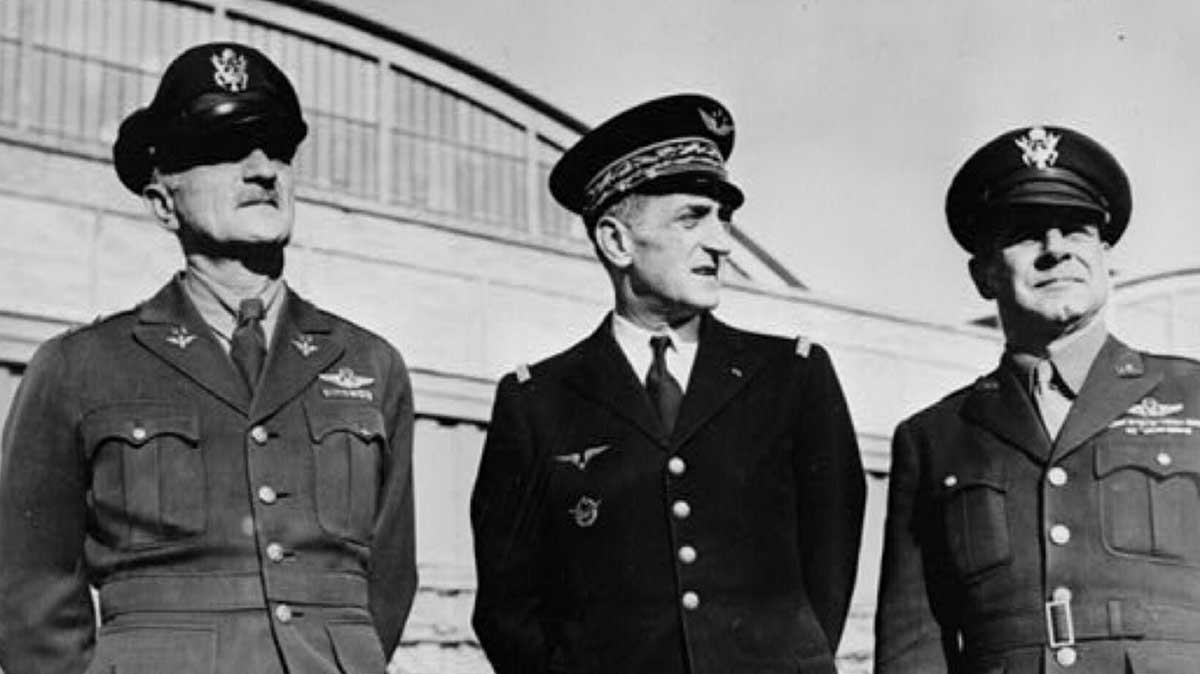
After weeks of intense preparation, the mission was unexpectedly rushed. Incoming harsh weather conditions risked the bombers’ ability to safely take off from the flight deck of the USS Hornet. Consequently, the raiders took off earlier than anticipated, stretching an already limited maximum flight time. The abrupt change risked the Americans running out of fuel over Japan or the island’s surrounding waters. If they were lucky, the aviators would reach Japanese-occupied China, where they would still have to evade enemy search teams. With Lieutenant Colonel Doolittle personally leading the mission, however, the pilots bravely headed towards their targets.
Doolittle and his entourage of Army pilots successfully bombed several key targets in Japan. Industrial centers in Tokyo and Nagoya were damaged, and secondary effects disrupted the port cities of Yokohama, Kobe, and Yokosuka. While the mission had limited material impact, the operation did fruitfully impart psychological impacts on the Japanese. Before the Doolittle Raid, the Japanese government had promised its people that they would be safe from enemy attack, but the mission revealed both real and perceived vulnerabilities in Japanese defenses.
For the Allied Powers, and particularly in the United States, the raid provided a much-needed boost in morale, satisfying the need for revenge for the attacks of Pearl Harbor and illustrating that successfully it was possible to attack Japan directly. However, while an emblematic victory for the United States, the Doolittle Raid was not without sacrifice; the American airmen soon faced death, injury, and captivity following the bombings.
What Happened to Doolittle’s Raiders?
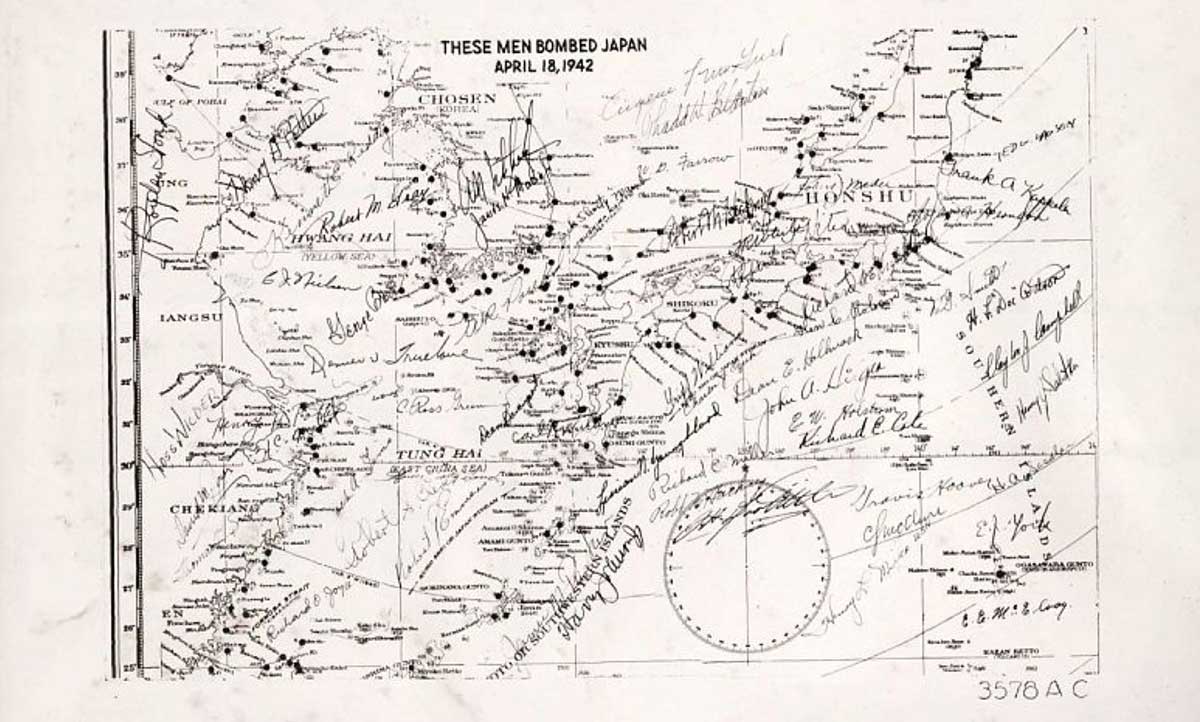
Out of the 16 pilot crews of Doolittle’s Raid, most landed in Japanese-occupied China. Some, including Doolittle himself, were fortunate to be rescued and evacuated to Allied forces by Chinese citizens and resistance groups. After running out of fuel and crash-landing in a desolate region of China, Doolittle’s escape crossed paths with Chinese nationalist leader Chiang Kai-shek, who promptly led Doolittle to safe haven in India. A pair of surviving crew members landed in the Soviet Union, but after a brief internment and lengthy journey home, the pair returned to American soil.
Not all pilot and bomb crews, however, were as fortunate as Doolittle and the other survivors. Several aviators were captured by the Japanese military in China. Some unfortunately perished under harsh conditions by their captors. Three were executed for their part in the raid, and one died from disease amid cruel mistreatments. For their bravery in combat and retribution of Japanese attacks on America, each of the four deceased Army airmen received a posthumous Congressional Medal of Honor, the United States’ highest award for heroism in combat. As the operation’s primary strategist and leader in planning, training participants, and executing strikes during the Raid, Doolittle also received the Medal of Honor. For the United States, the sacrifices of Doolittle’s pilots were necessary in achieving desired outcomes in heightening the war effort, but the operation also led to changes in Japanese military responses at land and sea.
Japanese Retaliation and Strategic Shifts
The Doolittle Raid led to significant changes in Japanese military strategies in 1942. In China, the Japanese Army retaliated by launching the Zhejiang-Jiangxi Campaign to hunt down any remaining American flight crews who crash-landed in China along with any Chinese citizens who helped them evade capture. During the offensive, 180,000 Japanese troops corralled thousands of innocent Chinese families, killing the men and sexually assaulting the women. Additionally, the Japanese Imperial Army poisoned the drinking water of several Chinese villages with cholera, typhoid, and dysentery bacteria. In all, an estimated quarter of a million Chinese citizens perished alongside thousands of slain Chinese soldiers.
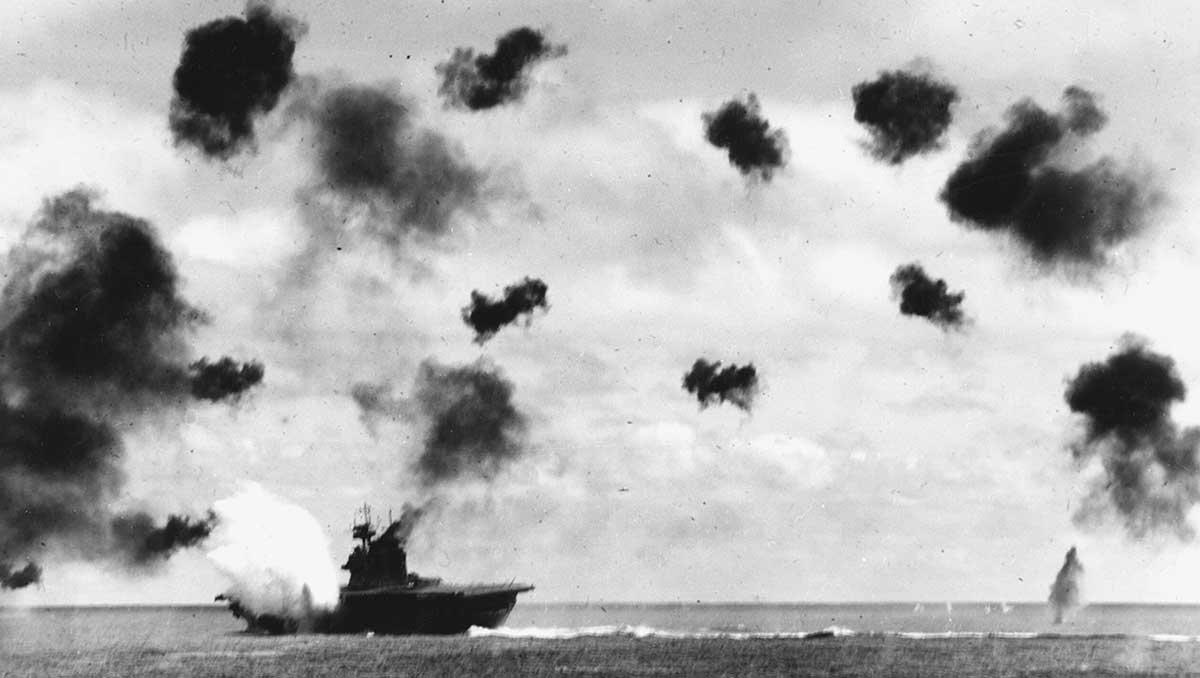
At sea, Japan sought to decrease the risk of domestic attacks by extending its defensive perimeter. This expanded posture led to the Battle of Midway in June 1942, one of the greatest Allied victories of World War II at sea. During the intense battle in the middle of the Pacific, the United States Navy, commanded by Admiral Chester Nimitz, destroyed four Japanese aircraft carriers and nearly 250 enemy aircraft. The fight represented a significant turn in the tide of the war especially after American troops under the command of General Douglas MacArthur suffered huge losses during the Philippines Campaign.
The Doolittle Raid served as an indirect catalyst for the triumph at Midway, enabling the Americans to seize the initiative in the Pacific Theater. While American officers could not have predicted the war crimes against innocent Chinese citizens that followed the raid, Doolittle’s crews were certainly grateful for their assistance in fleeing an enemy that posed an existential threat to both nations.
Doolittle After the Raid
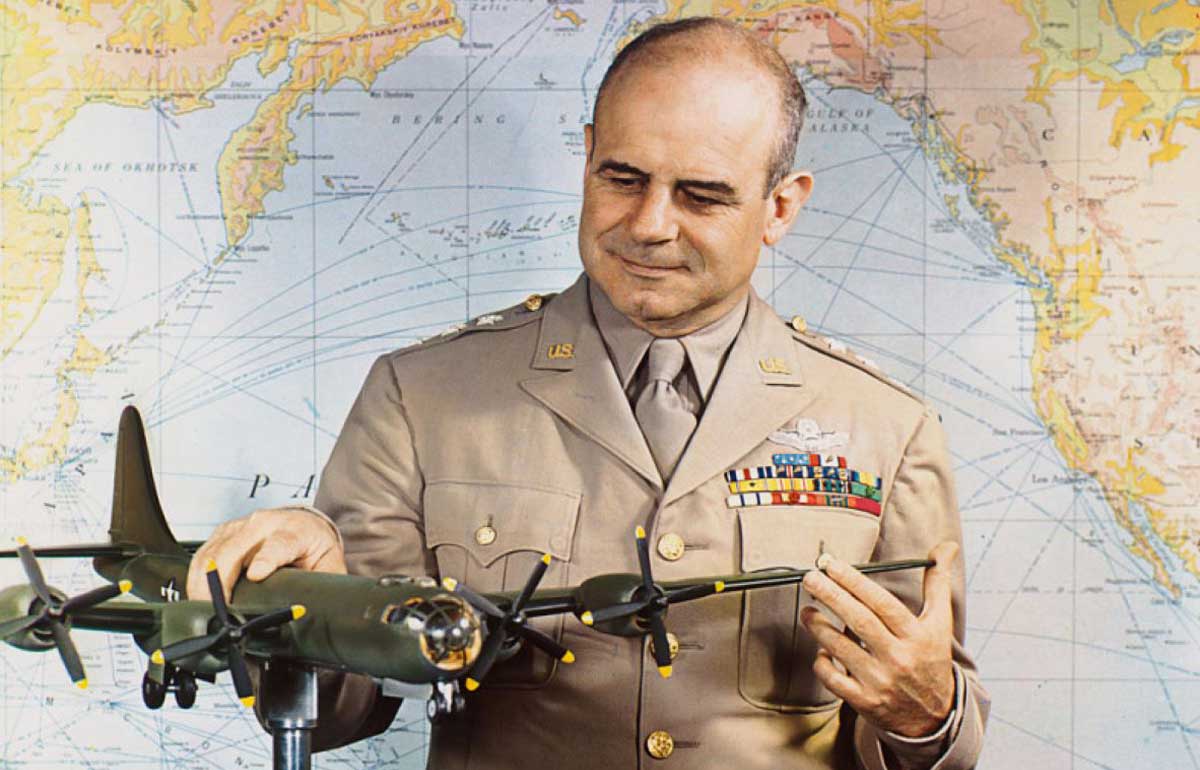
After leading his namesake raid, Doolittle was promoted to brigadier general and continued contributing to the Allied war effort by commanding some of the Army’s most active aerial units. In North Africa, Doolittle headed the 12th Air Force, where the formation’s air support predicated American landings in Algeria and Morocco via Operation Torch before offering infantry air support in Tunisia. In November 1943, Doolittle took over command of the 15th Air Force, promptly overseeing operations in southern Italy as the Allied Powers gradually gained a foothold in southern Europe.
Doolittle went on to introduce new aerial combat tactics against the German Luftwaffe after taking command of the 8th Air Force in January 1944. Rather than flying in close escorts with bombers, Doolittle allowed his fighters to proactively seek out enemy fighters lying in wait for the bombers. These tactics effectively neutralized German intercepting aircraft and facilitated American dominance of the skies. During one mission in 1944, Operation Big Week, the 8th Air Force and British pilots destroyed nearly 600 enemy aircraft, numerous engine and ball bearing factories, and key transportation routes.
After World War II, Doolittle returned to his civilian career and became an executive at the Shell Oil Company, where he had worked before the war. He remained in the Air Force Reserve, eventually retiring in 1985 with the rank of lieutenant general. Doolittle passed away at the age of 96 in September 1993 and was buried at Arlington National Cemetery with full military honors. Doolittle’s wartime accomplishments are matched by few others, and his role in avenging Pearl Harbor will be forever remembered in the United States.