The Romans ruled over Britain for about three and a half centuries. Undoubtedly then, the fall of Roman Britain must have been a very memorable event for the island’s inhabitants. It completely upended a dynamic which had existed there for generations. It is no wonder that the Britons of later centuries, during the medieval period, looked back on the fall of Roman Britain and created numerous stories and legends about it. One of the most detailed and earliest of these accounts comes from Gildas. What did he have to say about the fall of Roman Britain?
Medieval British Sources for the Roman Withdrawal
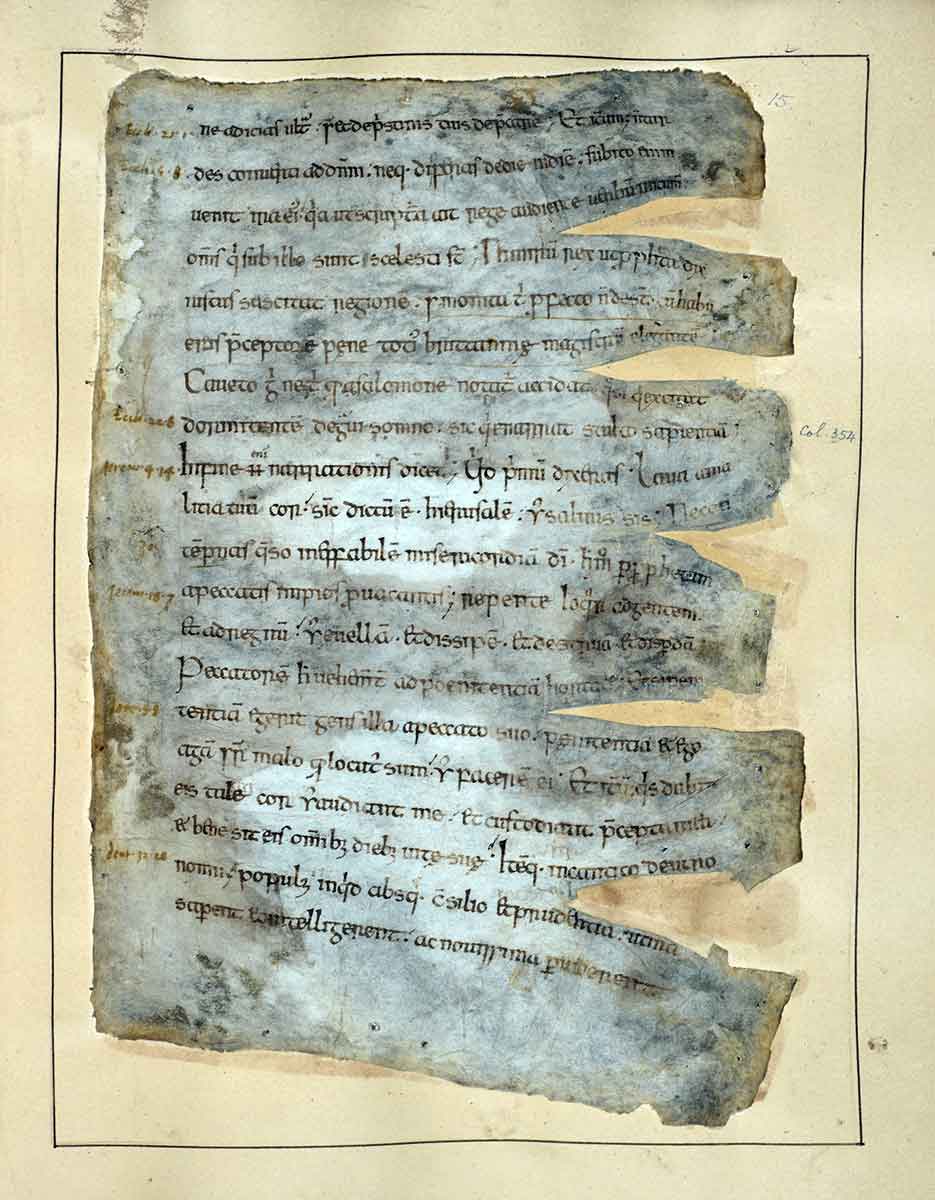
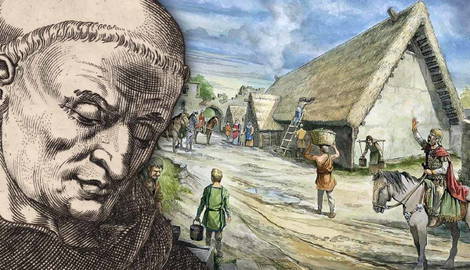
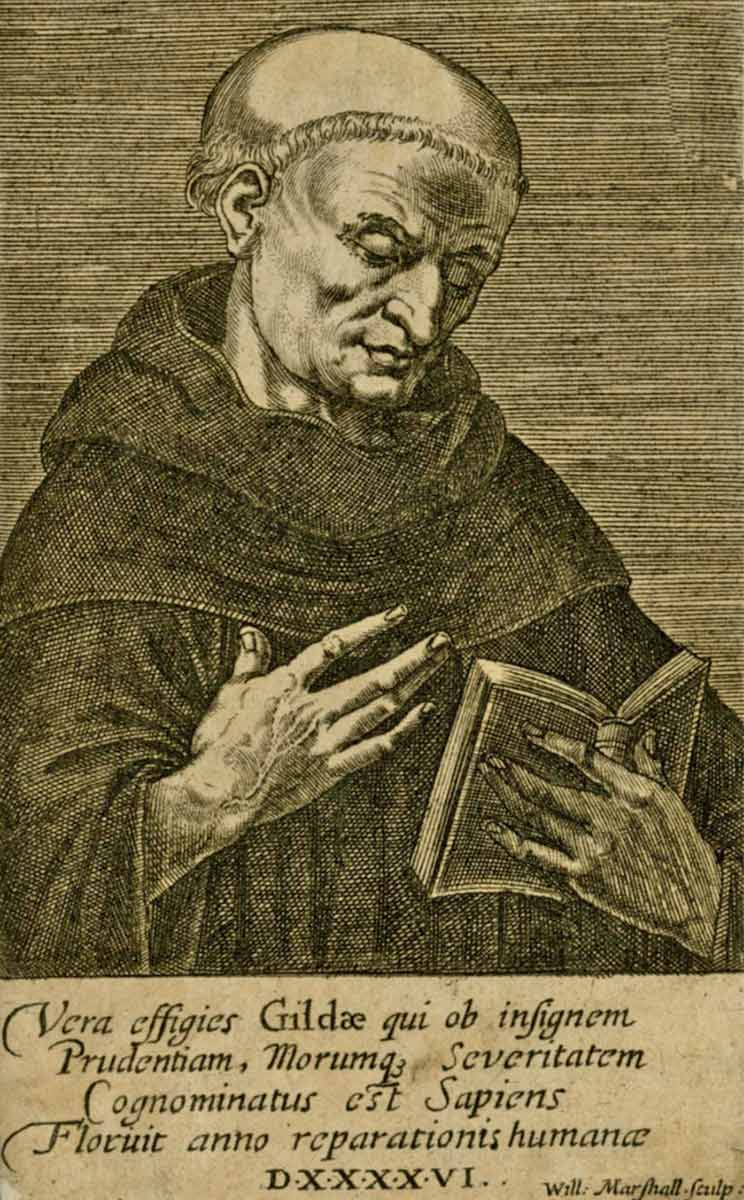
The most historically important account from the medieval Britons about the fall of Roman Britain comes from Gildas. He was a British monk who wrote De Excidio at some point within the sixth century. The title is often known in English as On the Ruin and Conquest of Britain, making the subject matter very clear. The fall of Roman Britain is a very large focus of this document.
Something that complicates matter with Gildas is that he provides almost no explicit dates, nor does he refer to many people by name. The last figure identified by name who also appears in contemporary non-British documents is Magnus Maximus. He was a Roman official from Roman Britain – quite possibly its governor – who was proclaimed emperor by his troops in 383. He went forth to conquer the Western Roman Empire, and despite having considerable success at the start, he was eventually killed by Theodosius I in 388. Therefore, the 380s is the latest that we can get in Gildas’ description of the fall of Roman Britain with concrete certainty. In his description of Magnus Maximus, Gildas claims that he withdrew all the Roman forces from Britain. In effect, this is the end of Roman Britain in any permanent sense. However, Gildas makes it clear that the Roman military continued to be active in Britain for some time thereafter.
Did Magnus Maximus Withdraw Rome’s Troops?
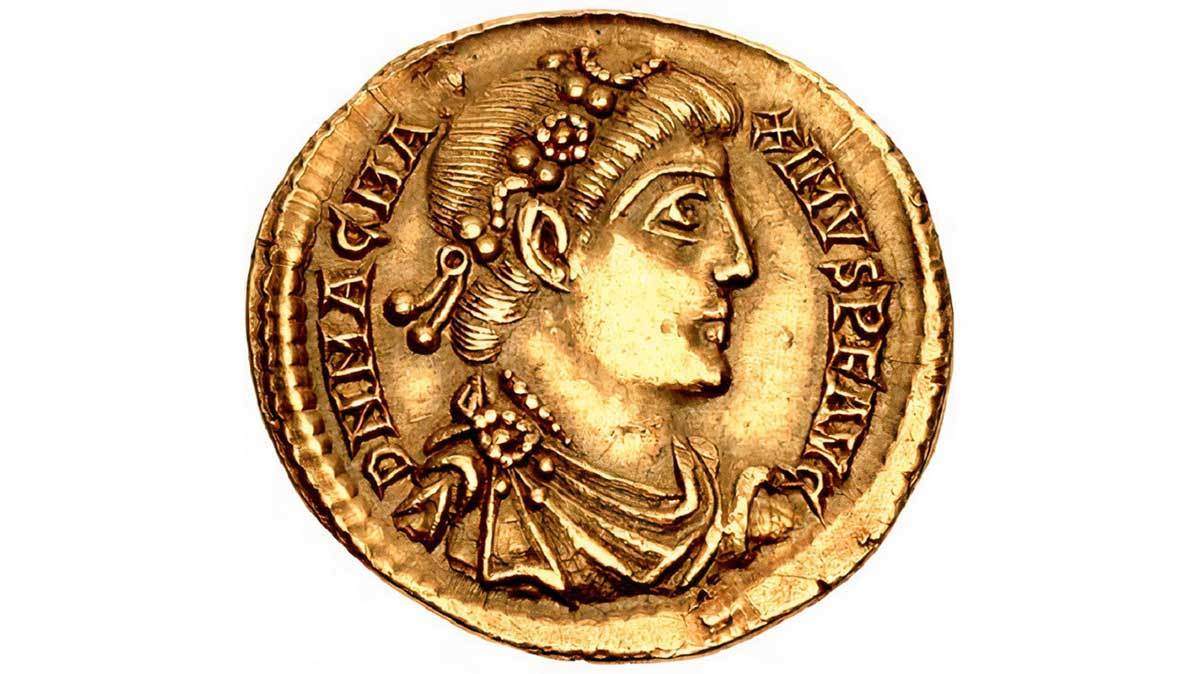
In reality, Magnus Maximus did not withdraw all of the Roman legions. He did, however, withdraw enough troops to engage in a successful war against Gratian, the emperor of the Western Roman Empire. He also substantially reorganised the structure of Roman Britain, withdrawing troops from various locations and stationing them elsewhere.
For example, at the Roman fort of Malton, Yorkshire, no Roman coins from after Maximus’ reign have been found. Many forts around inland Wales were also apparently abandoned at this time. While other parts of Britain were strengthened during his reign, such as the coastal regions of Wales, Maximus led yet another large army from Britain to Gaul in 387 in a renewed war with his opposing emperors.
Therefore, we can see that Gildas’ account of the official end of Roman Britain is greatly exaggerated, while still ultimately being rooted in fact. Magnus Maximus did remove large numbers of troops from Britain and leave much of it undefended. However, contrary to Gildas, this was not the end of Roman Britain in any meaningful sense of the word. At a stretch, we might consider this to be the start of the end, inasmuch as Maximus’ reign saw two of at least three major withdrawals
of troops in this era.
The Two Scottish Wars
After describing Maximus’ rebellion, Gildas states the following:
“After this, Britain is left deprived of all her soldiery and armed bands, of her cruel governors, and of the flower of her youth, who went with Maximus, but never again returned; and utterly ignorant as she was of the art of war, groaned in amazement for many years under the cruelty of two foreign nation – the Scots from the north-west and the Picts from the north.”
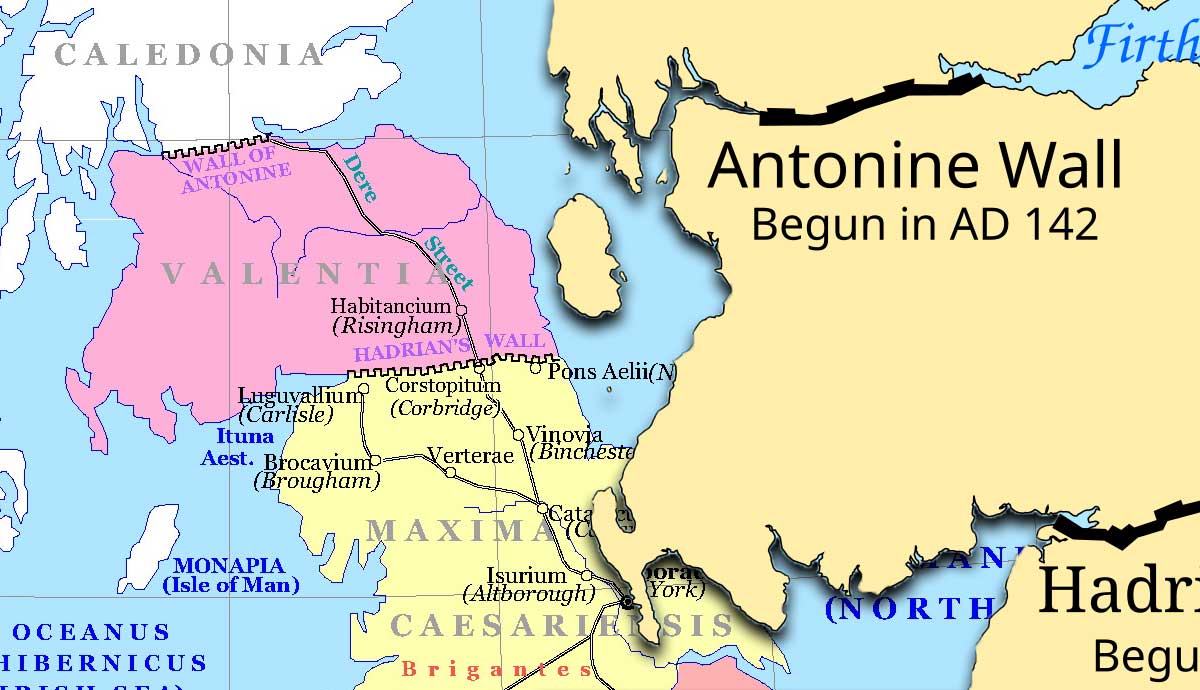
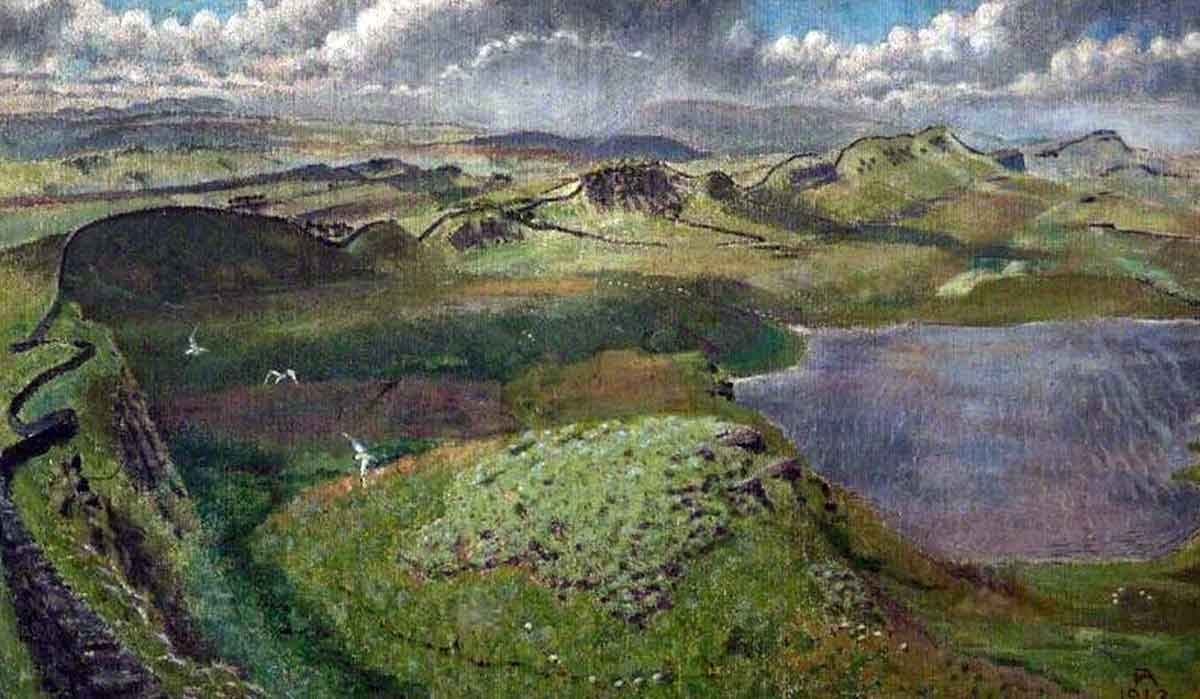
Gildas goes on to describe how the Britons appealed to the Romans to help them against these attacks from the Picts and the Scots. The Romans responded favourably to their appeal for help and drove the invaders back. They managed to re-establish control over Britain as far north as modern-day Scotland. Gildas then refers to them as building a turf wall from sea to sea to act as a frontier to protect the Romano-Britons. This is evidently a reference to the Antonine Wall, which extends from the Clyde to the Forth.
According to Gildas, soon after the Romans left, the Picts and the Scots recommenced their attacks. The Britons once again appealed to the Romans for help. The Romans returned and defeated the invaders once more. This time, they constructed a stone wall from sea to sea in the north, evidently a reference to Hadrian’s Wall. After completing this defensive structure, the Romans informed the Britons that they could no longer defend them. From then on, they would be on their own. The
Romans then left and, according to Gildas, never returned again.
Can Gildas’ Account be Confirmed?
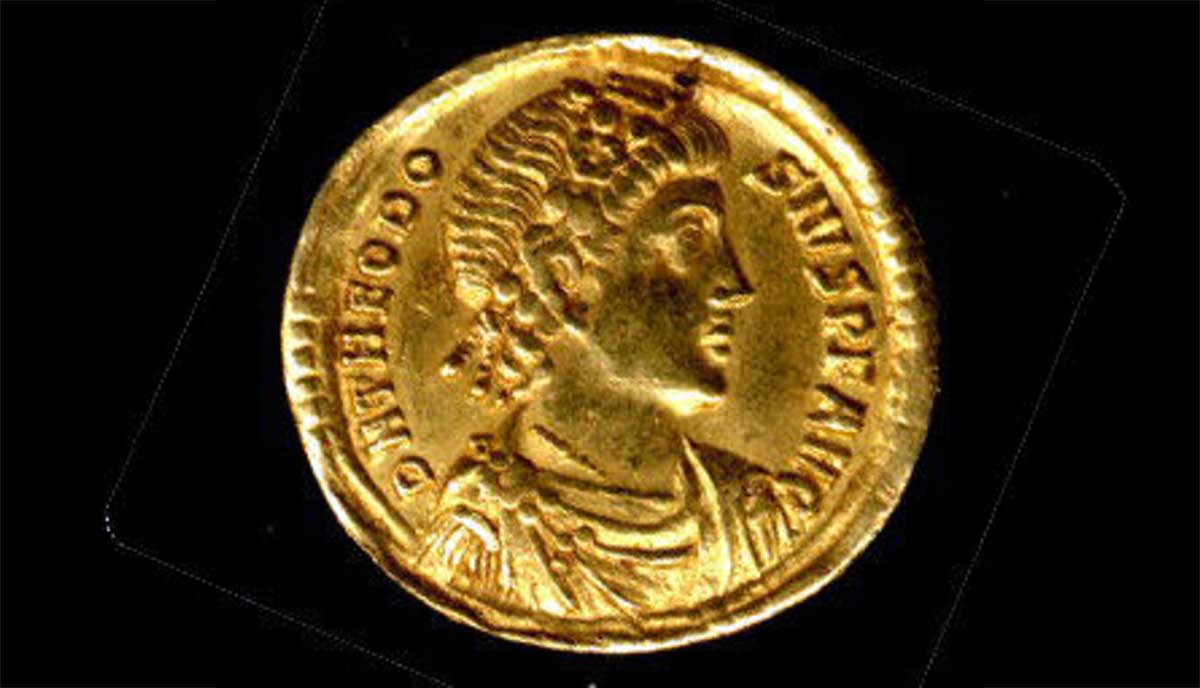
What do archaeology and earlier historical records reveal about the accuracy of these legendary events? Interestingly, we find confirmation for the basic outline of this narrative in the poems of Claudian, a Roman poet who died at the beginning of the fifth century. In some of his poems, he referred to Theodosius I as engaging in a campaign into Caledonia, which roughly corresponds to Scotland. While not giving any details about what exactly transpired during this campaign, Claudian specifically mentions Theodosius fighting against the Picts and the Scots. This fits what Gildas wrote. Although we do not know exactly when this campaign occurred, it must have occurred after 388 and likely before 392.
Later, Claudian referred to a war in the north of Britain which occurred between late 398 and early 400. This campaign was led by Stilicho. Again, Claudian makes specific mentions of the Picts and the Scots and also implies that the campaign took place in Caledonia. Therefore, these two campaigns mentioned by Claudian are virtually certain to be the two wars mentioned by Gildas. Interestingly, Claudian also refers to the departure of the Roman troops after the second of these wars. In his poem The Gothic War, he refers to troops leaving Britain so as to face Alaric on the continent. These troops are specifically described as those who had fought against the Picts and the Scots.
It is true that Hadrian’s Wall and the Antonine Wall were not actually built at this time. They had been constructed centuries earlier. Gildas is infamously incorrect on this point. Nevertheless, he was right for placing the Romans in the right place and at the right time. Notably, Claudian’s second poem on Stilicho’s consulship mentions that Stilicho gave the Britons forts during this campaign. Perhaps Gildas’ version is not quite as incorrect as it first appears.
The Final Fall of Roman Britain
As we saw, Gildas specifically says that these Romans never again returned. This is what he seems to have viewed as the final end of Roman Britain. However, we know from earlier accounts that this is not correct. Gildas’ legendary, distorted account seems to have missed the fact that it was not until almost a decade later that Roman Britain actually came to its final end. Nevertheless, Gildas does seem to contain the relevant information, albeit not understanding the Romans’ continued presence
in Britain.
After the conclusion of the second northern war, Gildas explains that the Picts and the Scots once again resumed their attacks. The Britons appealed to the Romans once more. This time, however, they did not receive a favourable response. Then, Gildas tells us that something remarkable happened.
“And then it was, for the first time, that they overthrew their enemies, who had for so many years been living in their country.”
Finally, without needing to rely on help from the Romans, the Britons were able to defeat the Picts and the Scots themselves. After this, Britain began to thrive economically. It was also at this time that the Britons began to appoint kings.
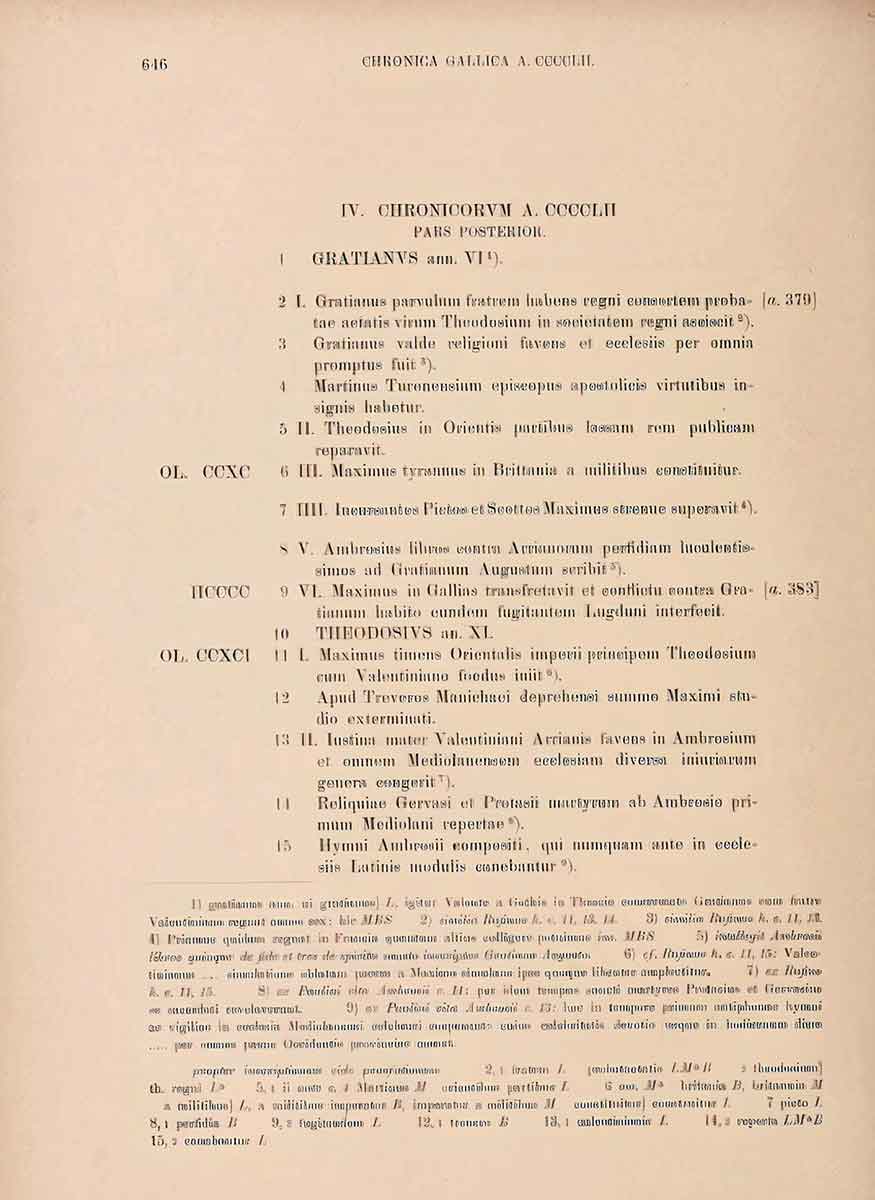
Even though we would never know it from Gildas’ legendary account, the events he describes here represent the actual end of Roman Britain. Historically, we know that Britain remained in the Roman Empire for the first part of the fifth century. Then, in 407, a usurper named Constantine III became emperor and led a successful invasion of Gaul. Gildas does not mention this, but this event must have involved the withdrawal of many of the last Roman troops that were left. According to thenear-contemporary Gallic Chronicle of 452, the year 408 saw a major attack against Roman Britain by the Saxons. This is likely associated with the third war referred to by Gildas. The fifth century writer Zosimus seems to refer to the same event. He wrote:
“The barbarians beyond the Rhine made such unbounded incursions over every province, as to reduce not only the Britons, but some of the Celtic nations also to the necessity of revolting from the empire, and living no longer under the Roman laws but as they themselves pleased. The Britons therefore took up arms, and incurred many dangerous enterprises for their own protection, until they had freed their cities from the barbarians who besieged them.”
We can see here that Zosimus clearly refers to the Britons as taking up their own defence and successfully repelling the invaders. This, in his chronology, occurred in the year 409. This corresponds to Gildas’ reference to the Britons successfully repelling the barbarians without help from the Romans. However, Zosimus goes on to mention something which Gildas does not include. When they did this, they also expelled the Roman administration from the island. Therefore, this is
the moment that represents the actual end of the fall of Roman Britain.
The End of Roman Britain According to Gildas
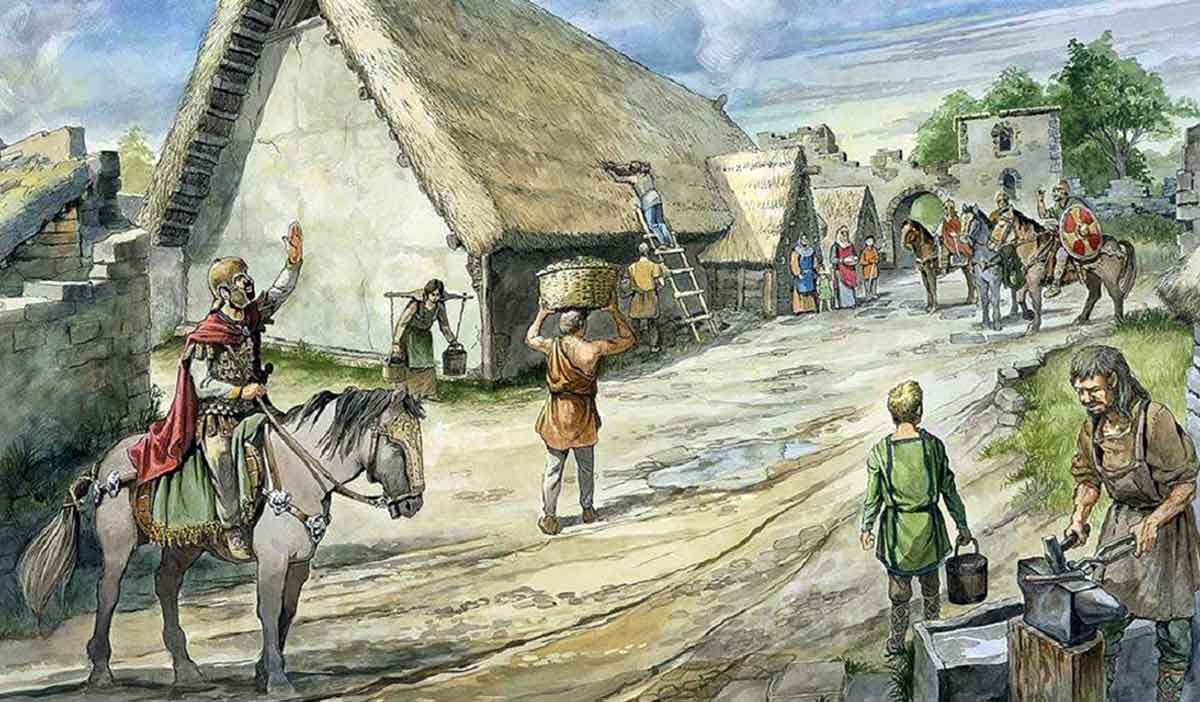
In conclusion, we can see that Gildas’ medieval, somewhat legendary account of the fall of Roman Britain is remarkably accurate. Almost all the basic elements of the narrative can be confirmed by contemporary records. Magnus Maximus really did withdraw a sizeable number of troops, leaving parts of Britain poorly defended, although Gildas exaggerates the magnitude of this. After this, the Romans really did engage in two successive wars in the north to fight the Picts and the Scots. While
neither the Antonine Wall nor Hadrian’s Wall were constructed at this time, Claudian does claim that Stilicho established forts for the Britons’ protection. This may have been what led to Gildas’ distorted account about construction works in the north at that time.
Afterwards, the Britons were attacked by barbarian raids yet again. Both Zosimus and the Gallic Chronicle of 452 attest to this. Due to not receiving a favourable response from the Romans this time, Gildas tells us that the Britons were then finally able to defend themselves. Zosimus’ account confirms this. Therefore, while it does have its inaccuracies, Gildas’ narrative overall presents a very respectable account of the fall of Roman Britain.
Another major blunder worth mentioning is the fact that Gildas claims that the third appeal from the Britons was sent to “Agitus, thrice consul”. This is usually understood to be Flavius Aetius. However, he did not become consul for the third time until the 440s. This is thoroughly incompatible with the rest of Gildas’ account. Either Gildas got his information confused about who the Britons appealed to in 408 or 409, or he was referring to a real but entirely different and much earlier Roman named Agitus.