
Gaius Caligula (AD 12-41) is one of the most notorious Roman emperors. He is vilified in the ancient sources not only as bad, but mad! They talk of his intimidation of the Senate and treason trials, but also tell stories of declaring war on gods and making his horse consul. While he was so unpopular among the elite that his memory was posthumously damned, the exaggerated stories they told of his villany have made him one of the most fascinating and talked about figures from the Roman world, ensuring his name stayed in the headlines for 2,000 years. Today, historians question whether he was really as bad, or as mad, as these sources make out. Get to know the emperor Caligula with 18 important facts.
1. Caligula Was Born an Imperial Prince
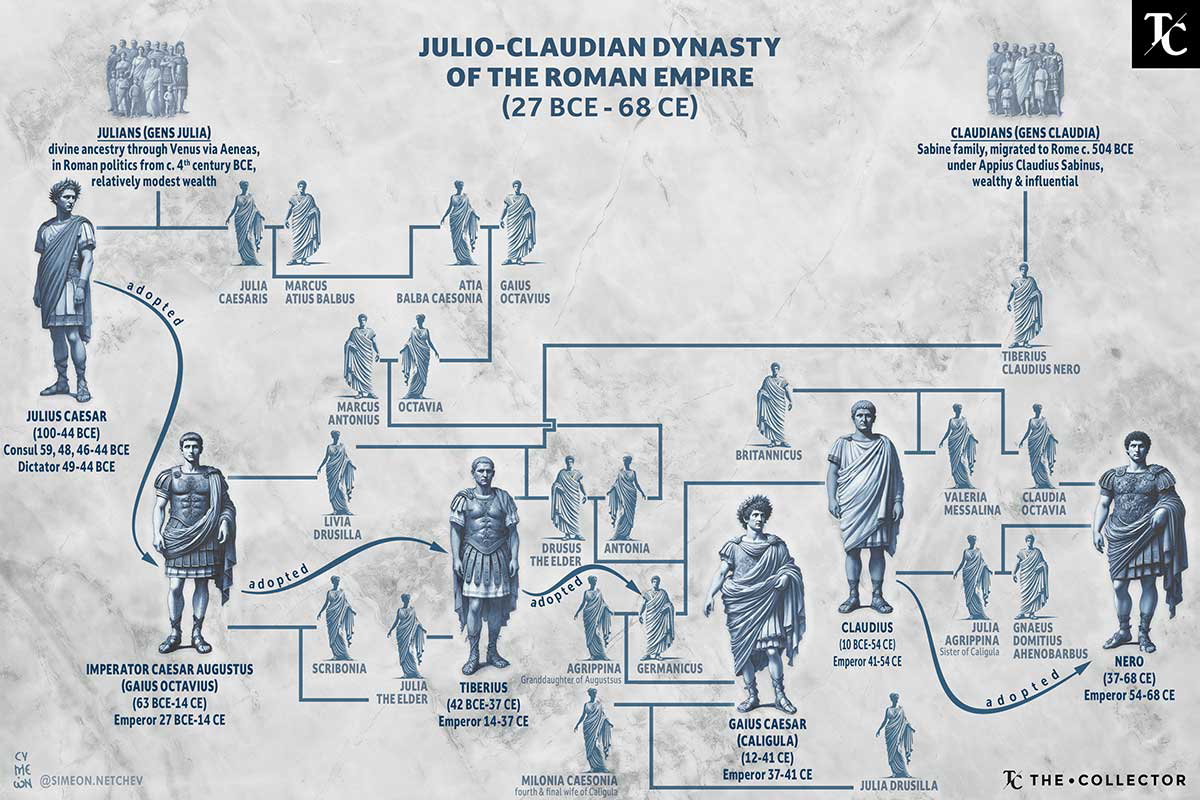
Gaius Julius Caesar, the future emperor Caligula, was born an imperial prince. Named for his great-grandfather, the general and now-god Julius Caesar, he had bonafide Julio-Claudian blood through his father Germanicus and his mother Agrippina the Elder.
Germanicus was the son of Drusus, the son of Augustus’ wife Livia from a previous marriage, and the adopted son and designated heir of Tiberius, his uncle. Tiberius was the adopted son of Augustus and the current emperor of Rome. Agrippina was the daughter of the famous Augustan general Marcus Vipsanius Agrippa and Julia the Elder, Augustus’ only genetic child.
While this gave Caligula very blue blood, he was not the oldest child or expected heir to his father. He had two older brothers, Nero and Drusus, and three sisters, Agrippina, Drusilla, and Livilla.
2. Caligula Was a Nickname
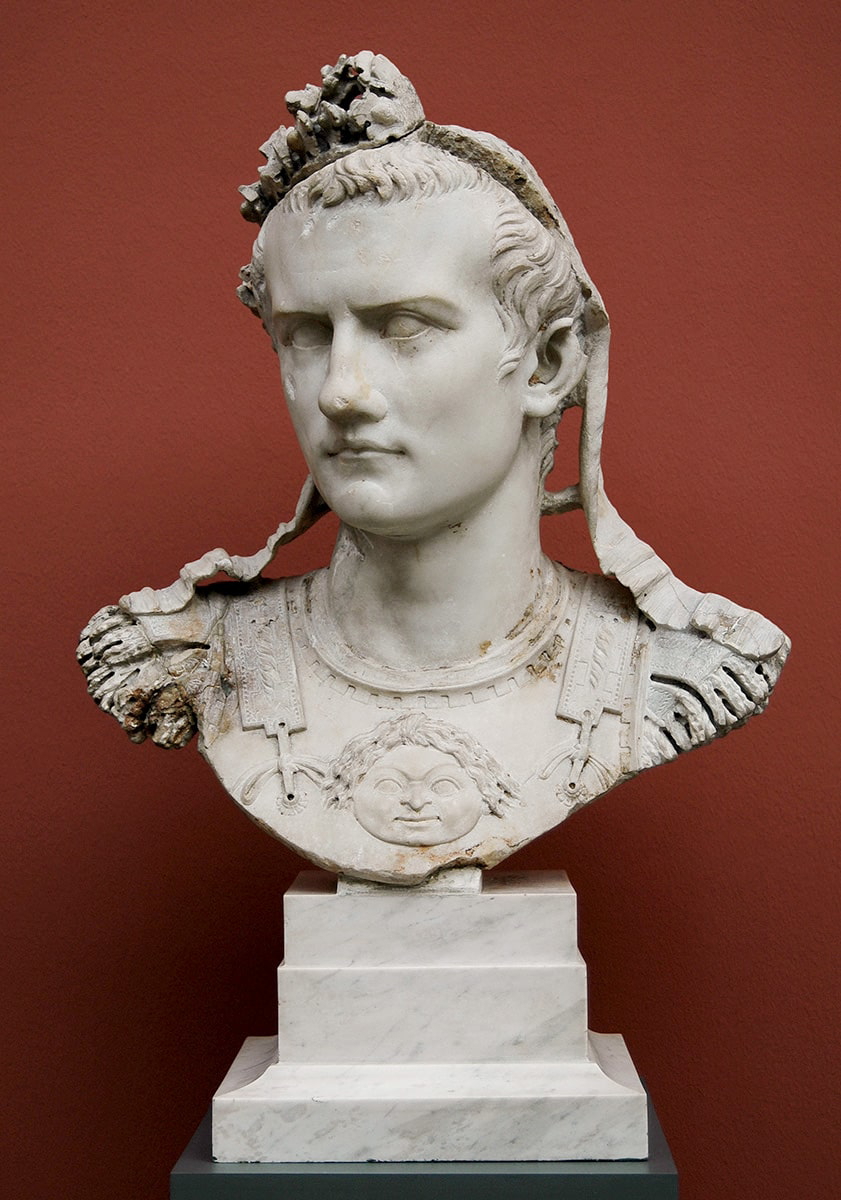
While history remembers him as Caligula, Gaius reportedly hated the nickname as an adult, which he found embarrassing and infantilizing. As a young boy, his family joined his father Germanicus on his military campaigns. He soon became a favorite among Germanicus’ legionaries. They dressed the future emperor in the little soldier’s outfit, including miniature boots, called caligae. Thus, Gaius became known as Caligula, “little boot.”
When he became emperor, Caligula officially became Gaius Caesar Augustus Germanicus, adopting his father’s honorific name. For brevity he simply went by Gaius, and this is the name that the ancient historians use for him too.
3. Caligula’s Father Died While He Was Young
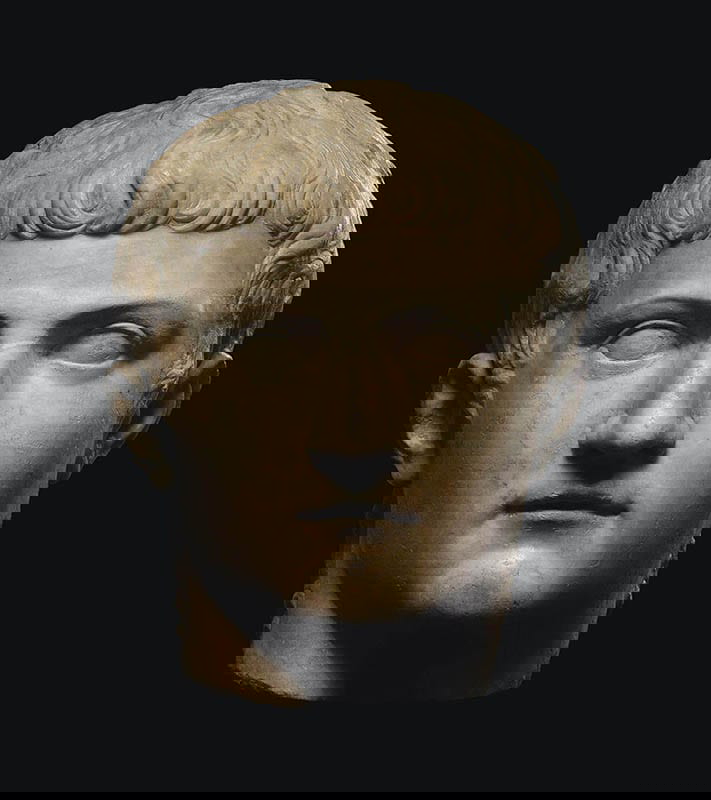
Caligula’s father, Germanicus, died suddenly in AD 19, apparently after contracting malaria while campaigning in the east. However, on his deathbed in Syria, Agrippina informed her family and anyone else who would listen that Germanicus had been poisoned. She accused a jealous Tiberius of being behind the plot. The poison was reportedly delivered by Tiberius’ friend Gnaeus Calpurnius Piso, who had been sent to “assist” Germanicus on his campaign in the east.
Germanicus was extremely popular among the people and Piso was put on trial. While the evidence against him was weak, a scapegoat was needed. When it became clear to Piso that Tiberius would not step in and save him, he committed suicide before he could be convicted.
Agrippina dramatically brought Germanicus’ ashes back to Rome in a grand funerary procession from Brundisium to Rome accompanied by many mourners. She was also accompanied by her children, including the seven-year-old Caligula.
4. Caligula Was the Only Son of Germanicus to Survive
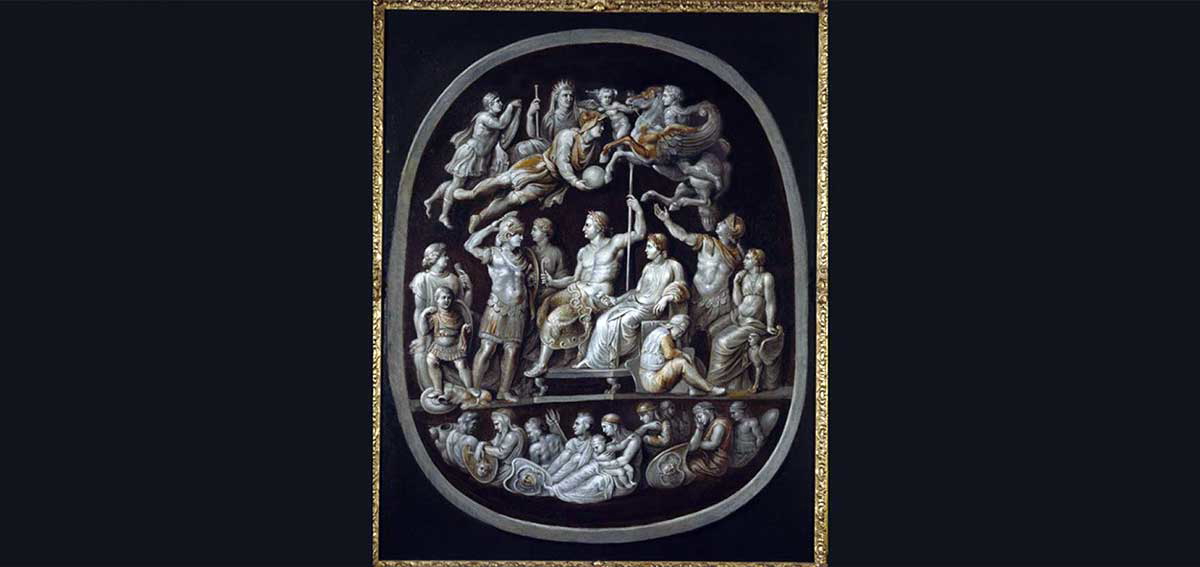
Following the death of Germanicus, and the death of Tiberius’ own son Drusus the Younger a few years later, the emperor became highly suspicious. His paranoia was fueled by his right-hand man and Praetorian Prefect, Sejanus. The result was treason trials that saw 50 to 80 members of the Roman elite accused of treason, and at least 18 were executed.
Sejanus, hungry for power himself, plotted to accuse the family of Germanicus of treason to remove them as competition. It did not help that Agrippina continued to talk of the death of her husband and her sons being “robbed of their inheritance,” though Tiberius does seem to have treated them as heirs after the death of his son Drusus. In AD 29, Agrippina and Nero were exiled, and the following year Drusus was imprisoned. They all died within a few years. The young Caligula was sent to live with his great-uncle Tiberius, who was living in isolation on the island of Capri. Sejanus himself would later be accused of treason and executed on Tiberius’ orders.
While on Capri, Tiberius monitored Caligula, and also groomed him as his successor. There are many stories of debauchery taking place on the island which, if true, Caligula would have witnessed and may have influenced his future character.
5. In the Beginning, Caligula Was Wildly Popular
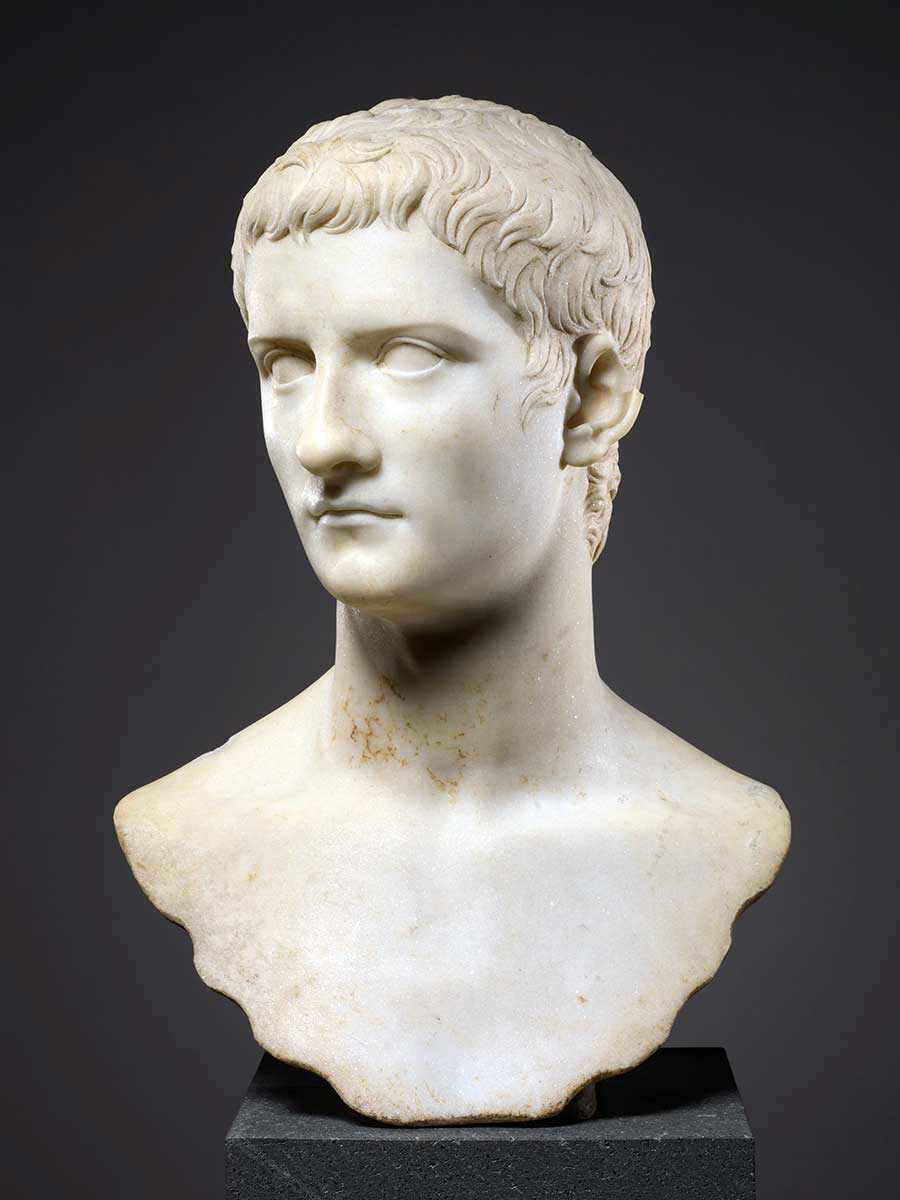
By the time of his death on March 17, AD 37, Tiberius was extremely unpopular. Caligula represented a fresh face, young blood, and the legacy of his extremely popular father Germanicus. There was considerable rejoicing when he came to power.
According to ancient sources, the first few months of his reign were extremely good. He ended the treason trials that had cast a shadow over Tiberius’ reign. He retrieved his family’s ashes from where they were in exile and interred them in the Mausoleum of Augustus alongside his father. He also asked for Tiberius to be deified, but this request was ignored by the Senate.
He also repealed unpopular taxes, made donative payments to the military and the public, and held lavish entertainments to restore joy to Rome following the dark days of Tiberius. According to the contemporary Philo of Alexandria, Caligula was the first emperor admired by everyone in “all the world, from the rising to the setting sun.”
6. The New Ruler Had Ambitious Plans
Caligula had many ambitious plans at the start of his reign. He completed several buildings started under Tiberius, including the temple of the deified Augustus. He also laid the foundations for two important new aqueducts, the Aqua Claudia and Anio Novus, to secure Rome’s water supply, and improved harbors in Sicily and Naples to make grain imports from Egypt more reliable.
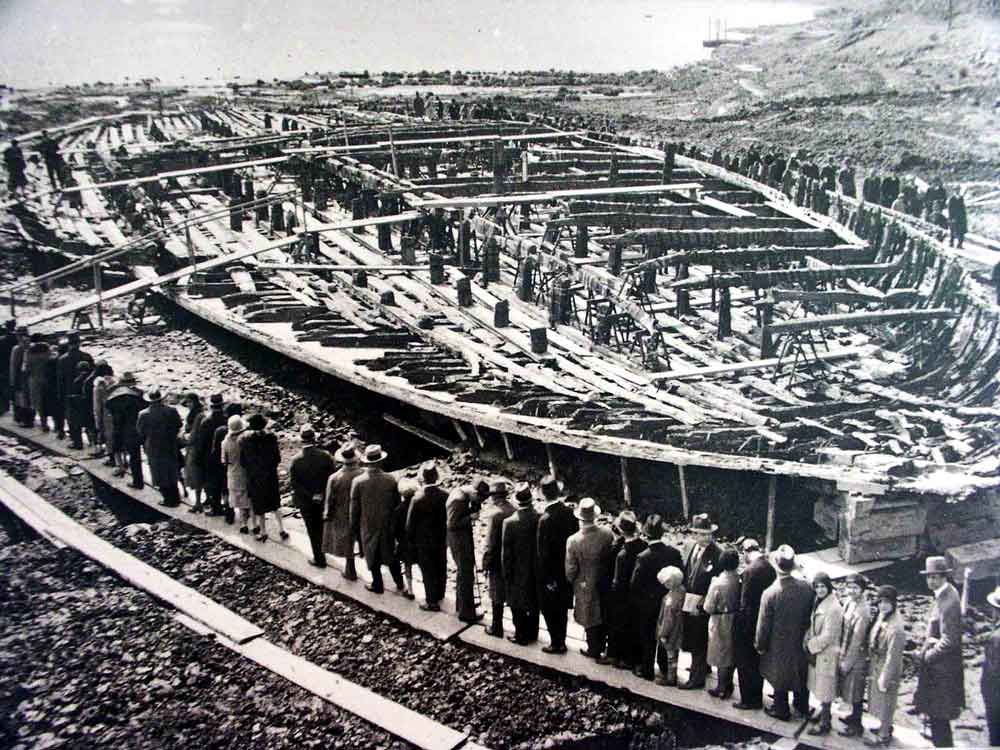
Later in his reign, Caligula’s attention turned towards more personal, lavish construction projects. He expanded the imperial palace and constructed two massive floating pleasure barges for his personal use at Lake Nemi. They are described as so lavish that historians did not believe they existed, until they were discovered by archaeologists in the 1930s.
7. Caligula’s Reign Soured Quickly After an Illness
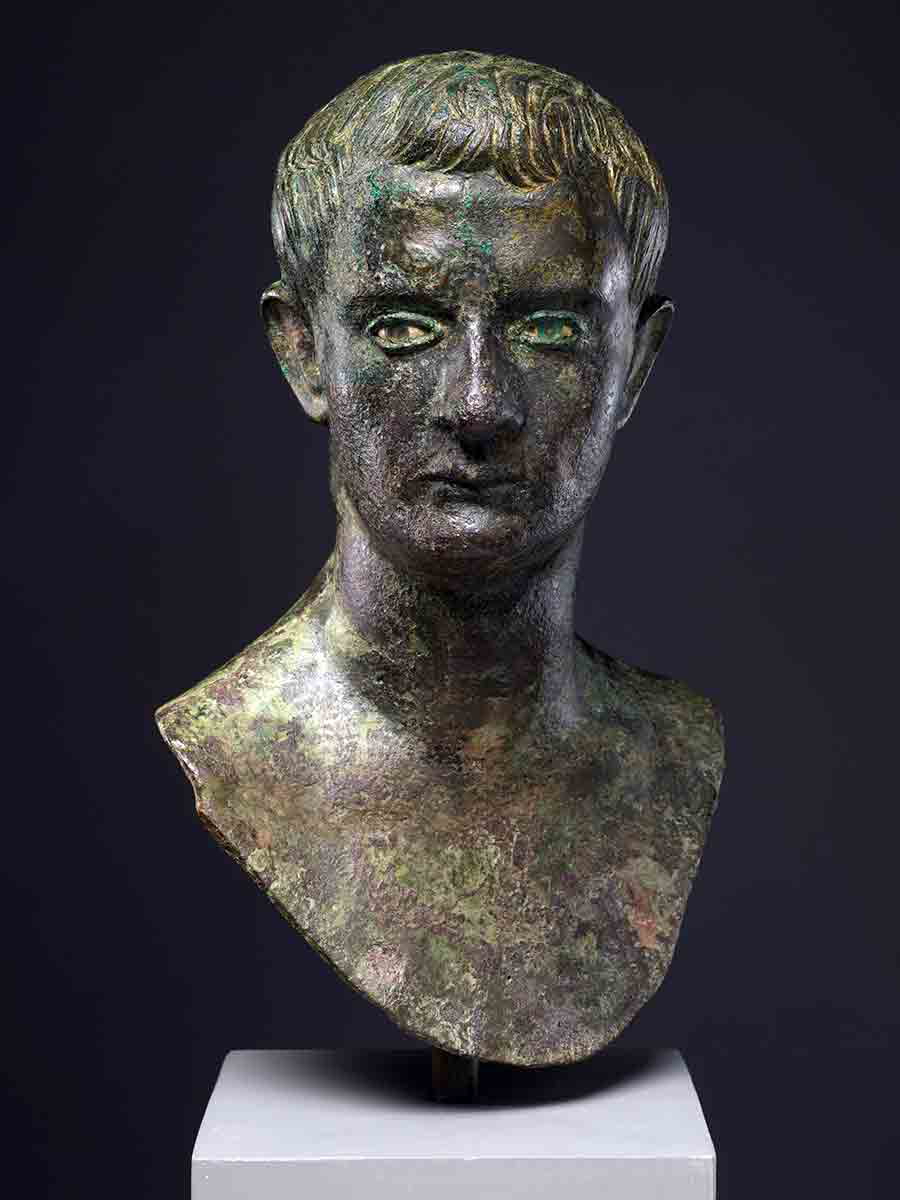
Soon after becoming an emperor, Caligula fell seriously ill with an unknown disease. While Caligula was bedridden in delirium, the whole of ancient Rome prayed for his recovery, further testifying to his early popularity. Yet, if we are to believe Suetonius and other ancient sources, Caligula’s illness left him a different man. Caligula’s turn toward bad, and potential mad, behavior is usually dated to this time.
He seems to have become paranoid, perhaps because there was talk of who would replace him if he did not recover. When Tiberius died, he actually named both Caligula and Tiberius Gemellus, his grandson through his son Drusus, as heirs, and power passed to Caligula because he was older. During his illness, there was probably talk of Gemellus succeeding him if he died. When Caligula recovered, he accused Gemellus of treason and had him executed.
8. Caligula Had a Special Relationship Wseaith His Sisters
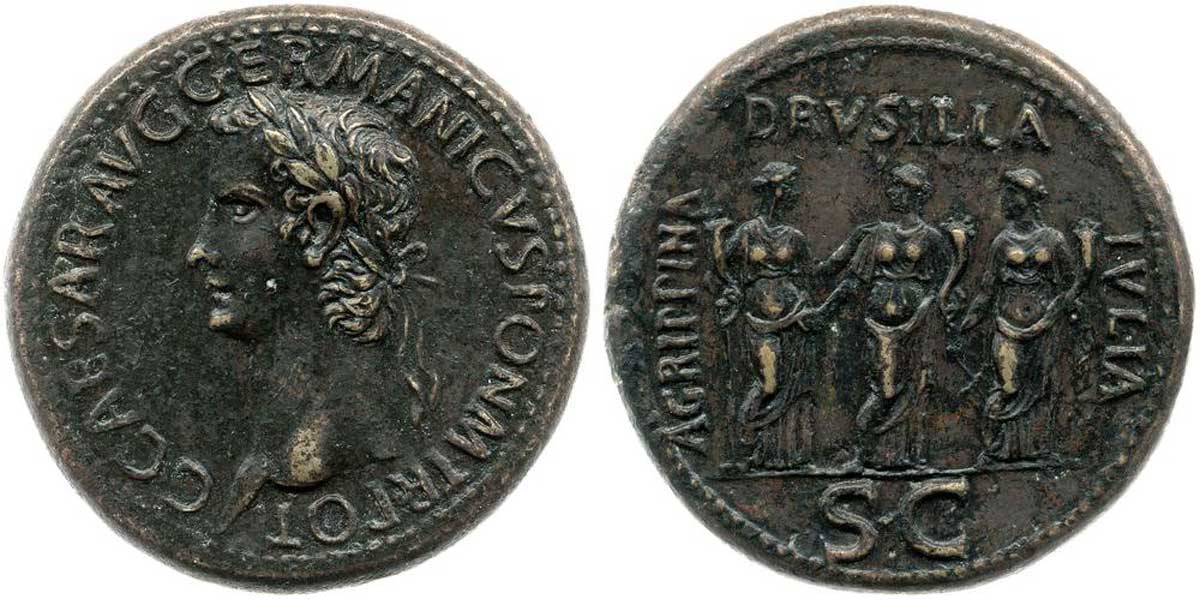
As Caligula turned bad, the sources make extravagant claims about his behavior. Suetonius described Caligula as hosting lavish banquets, where he enjoyed sex with his sisters as appalled guests looked on. Incest is a charge often made against unpopular rulers, so it is hard to determine whether it is based on any truth.
Caligula certainly was close to his favorite sister, Drusilla. When he was not married, he stood in as empress by his side. She was married to Marcus Aemilius Lepidus, who Caligula seems to have named as his heir following the death of Gemellus.
She was ill at the same time as her brother, and unfortunately succumbed. Caligula ordered extravagant public mourning for his sister, and then had her deified, placing her alongside Augustus in his temple.
9. Caligula Restarted Treason Trials
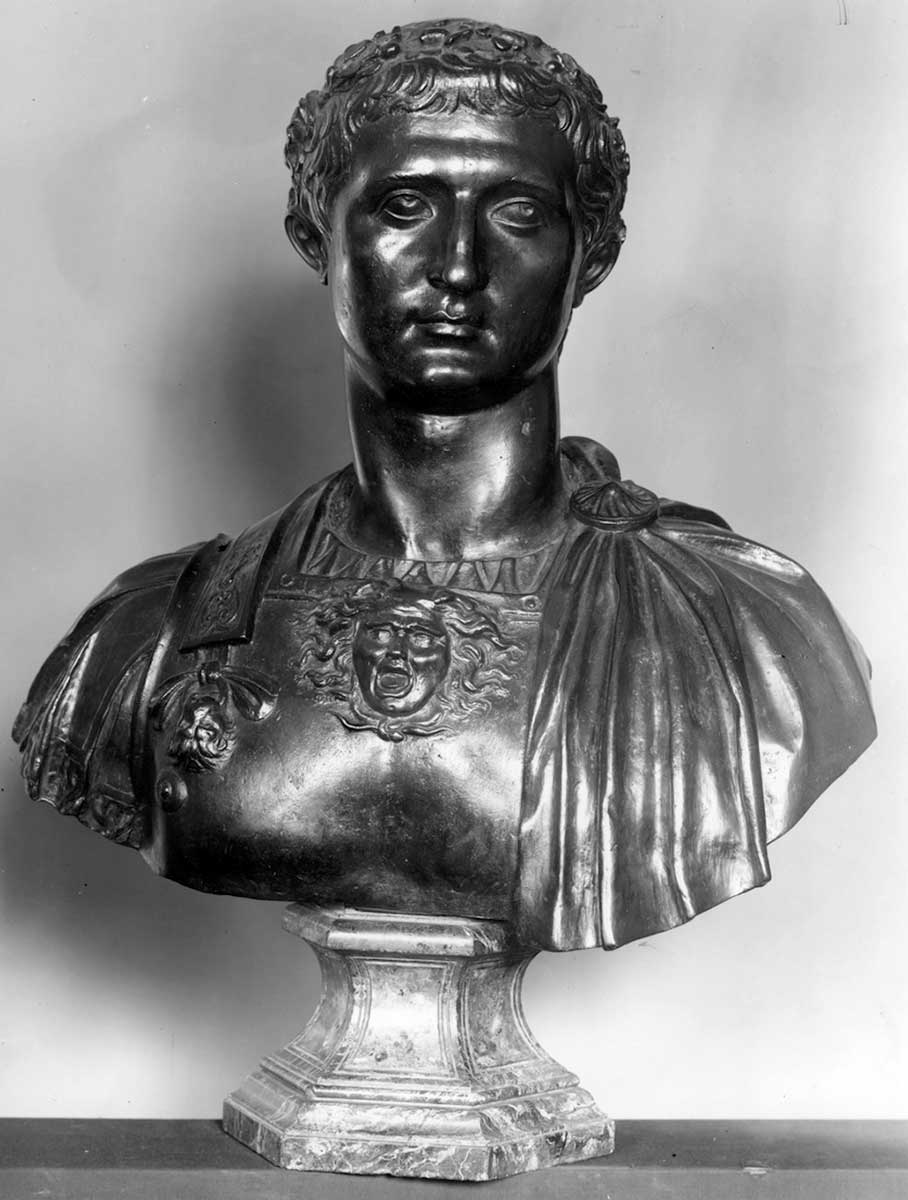
Tiberius Gemellus was the first of many to be accused of treason under Caligula, with treason trials restarting shortly after his recovery. He also admitted that the records from Tiberius’ treason trials, which he previously claimed to have burned, had been kept as copies. He used these to start accusing members of the elite of plotting against him. Caligula also used his trials to fill the imperial coffers. If someone was convicted, their wealth went to the state. It was no coincidence that the wealthiest were charged first.
Caligula did discover a real plot against him late AD 39 known as the plot of the three daggers. Starting with the troops in Germany, it was led by his former brother-in-law Lepidus and Lentulus Gaetulicus. They were both executed and Caligula’s surviving sisters Agrippina and Livilla, were accused of being complicit. It is possible that Lepidus was trying to marry one of them to reestablish his position. The women were both exiled to remote islands.
10. Caligula Waged War with the Senate
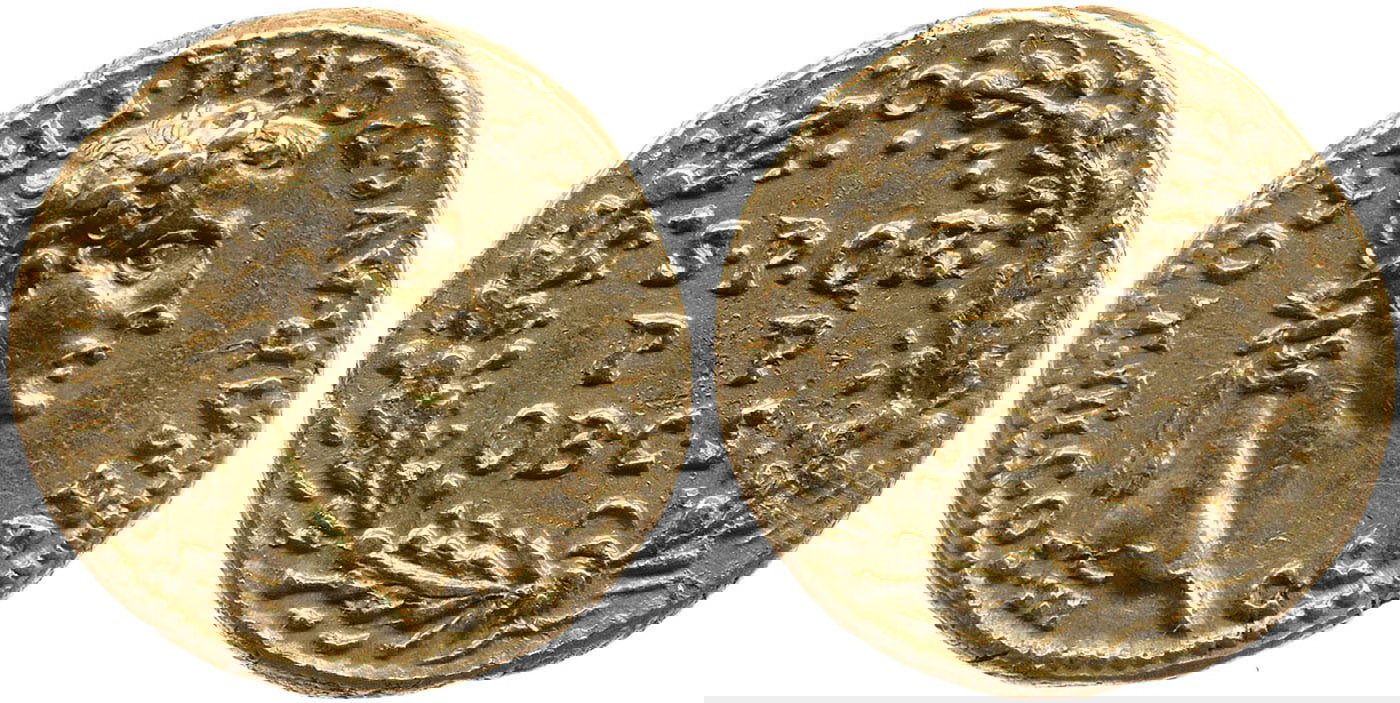
Caligula came to despise the Senate, which he saw as a rival who curtailed his power. Determined to show who was the true power in Rome, Caligula jettisoned the policy of his predecessors, who paid lip service to the role of the Senate, and acted as an autocrat.
According to the senatorial historians who wrote accounts of his reign, Caligula took every opportunity to degrade members of the Senate. Suetonius says that he had senators run alongside his chariot in their restrictive togas, and sometimes made them kiss his feet (while wearing gold sandals).
He also actively instilled fear. He would summon senators to his chambers in the middle of the night, letting them think that they were about to be executed, but then said something ridiculous to them and let them leave. This led to fear, but also sycophancy, as people outdid one another to “prove” their loyalty.
11. Caligula Never Made His Horse a Consul
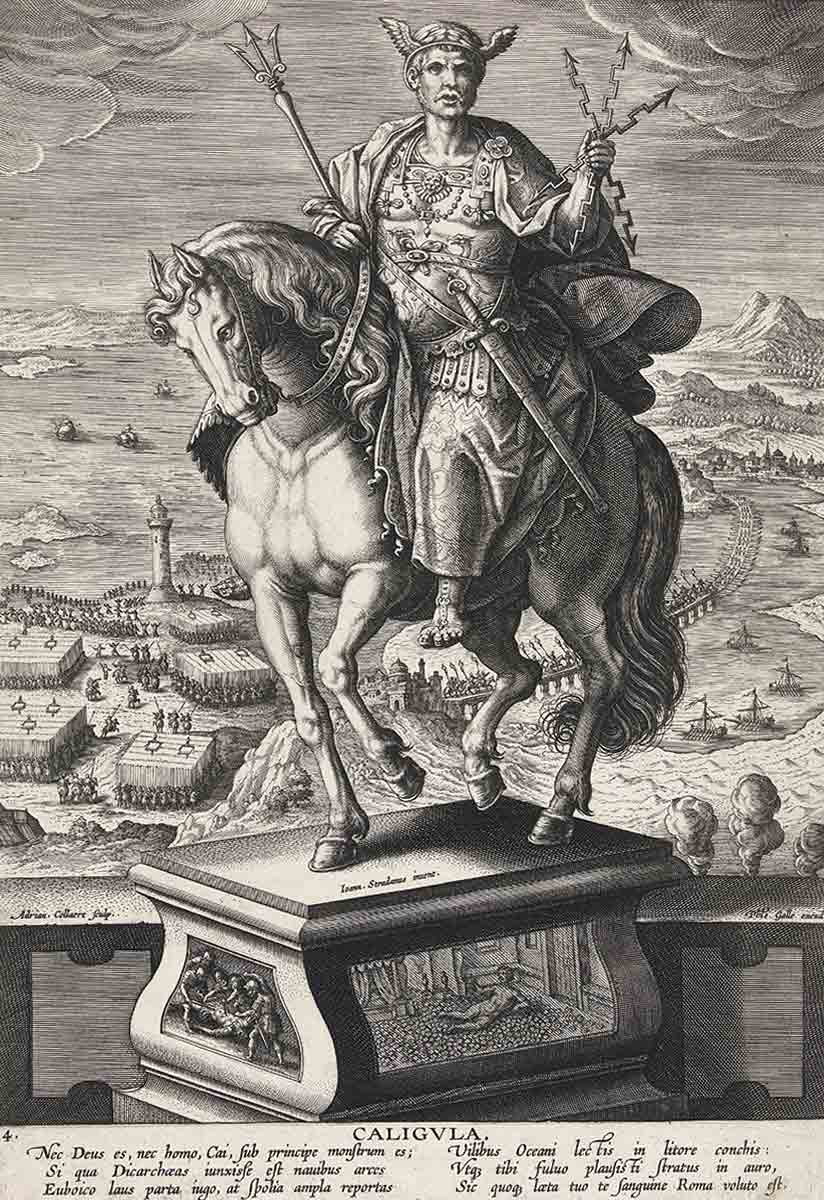
In his terrorization of the Senate, Caligula is accused of making his beloved racehorse Incitatus a consul, which was still the most venerated magistracy in the state that someone could hope to attain. It implied that their jobs were so empty that a horse could do it, and that his horse outdid the senators in dignity.
While this anecdote is recorded in Suetonius, historians think it is an invention, as this insulting and unprecedented action is not mentioned in any of the other surviving sources. Scholars agree that this may be a reference to a prank, or that Caligula complained that there was no one more worthy of the position available than his horse.
12. He Did Not Declare War on the Sea
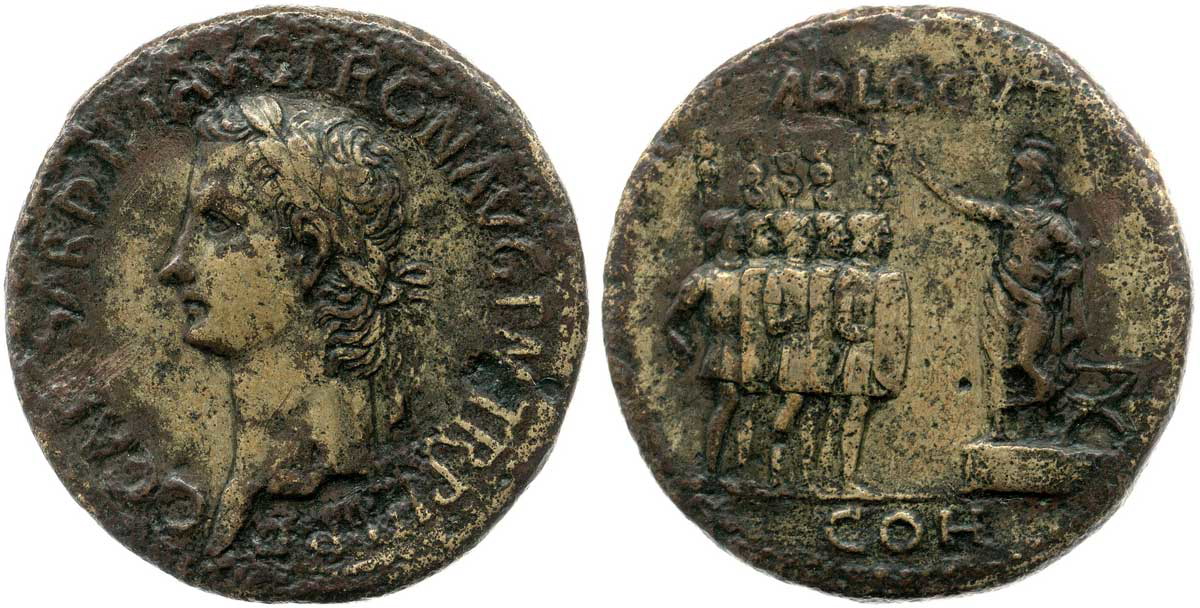
Suetonius also reports that after his failed invasion of Britain, as his mutinous troops refused to board the ships, Caligula declared war on Neptune, the god of the sea, and had the waves whipped. He also ordered legionaries to collect seashells as prizes of war.
Suetonius’ account of this story is also likely a misrepresentation of the facts. There are several theories to what actually happened. He may have ordered his army to collect seashells as punishment for their refusal to fight. It could be a mistranslation, as the term musculi refers both to seashells and the engineering tents used by the Roman army. It may have been a ritual act to symbolically mark reaching the end of the world.
The expedition was marked by the construction of a lighthouse on the coast, which stood for centuries.
13. Caligula Admired Hellenistic Kings
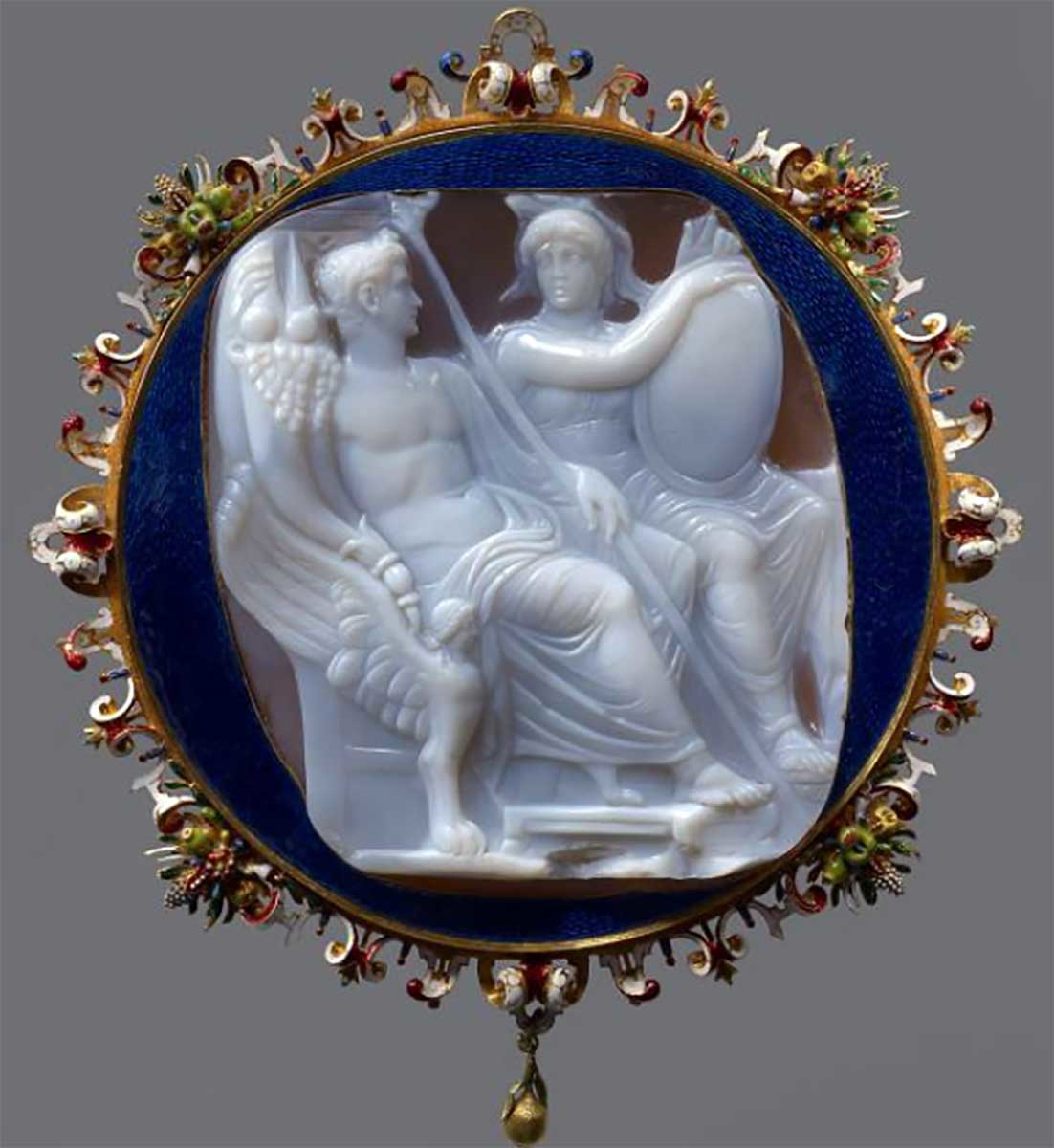
Dissatisfied with the model of princeps, first among equals, established by Augustus, Caligula sought to style himself on the Hellenistic kings of the east. They enjoyed absolute autocratic power and were even worshipped as gods. He was particularly enamored with Alexander the Great and reportedly had his tomb in Alexandria opened so that he could claim the conqueror’s breastplate for himself. He may also have tried to introduce the Persian practice of proskynesis to Rome, which meant having senators bow and kiss his feet, and demand they call him dominus (lord).
14. The Emperor Declared Himself a God
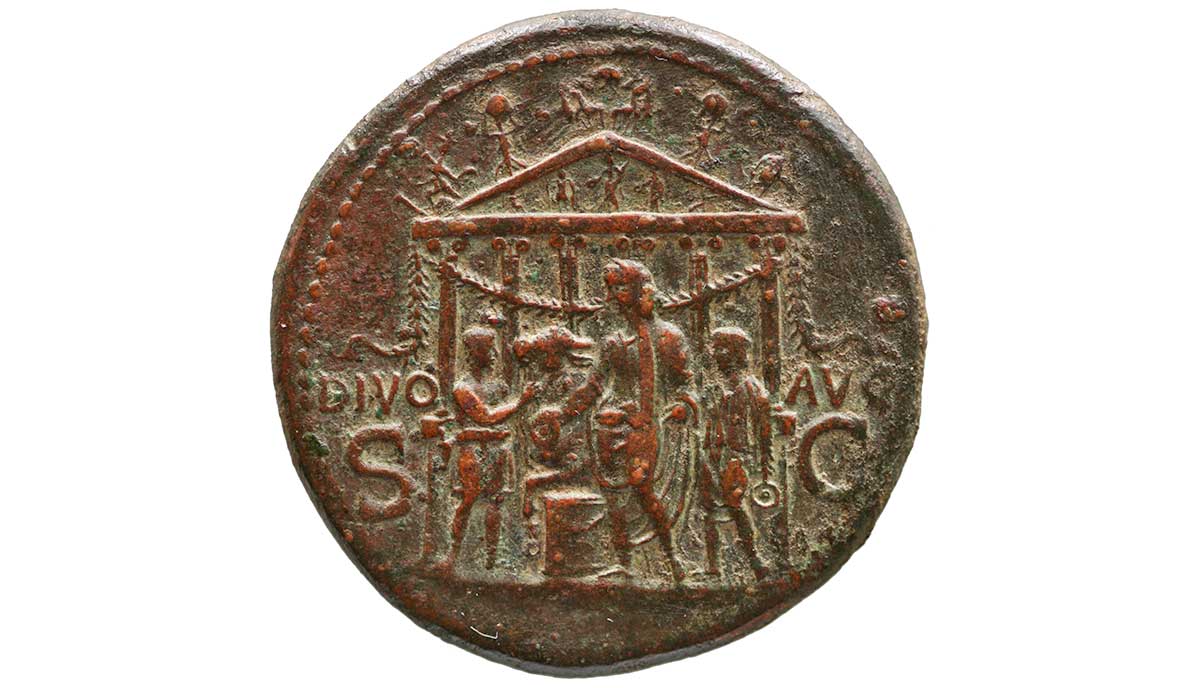
As well as dominus, Caligula reportedly wanted the people of Rome to call him deus (god). Like Augustus before him, Caligula was already recognized as a god in many parts of the Roman Empire where this was customary. His statues also would have stood in religious sanctuaries around the Empire as part of the imperial cult.
We know that Caligula considered going to war when the people of Judea refused to place his statue in their temple in Jerusalem. It was avoided because his friend, King Herod Agrippa, convinced him to back down, and then he died a few months later.
Divine honors were more limited in Rome, though statues of the emperor could still be found in most temples. But Caligula pushed the envelope. He apparently extended his home to the Temple of Castor and Pollux, making it part of his home, as Augustus had previously done with the temple of Apollo. But Caligula also reportedly placed a golden statue of himself in the temple and established a priesthood for his worship, who made daily sacrifices of exotic animals such as peacocks and flamingos.
15. Caligula Was Ahead of His Time
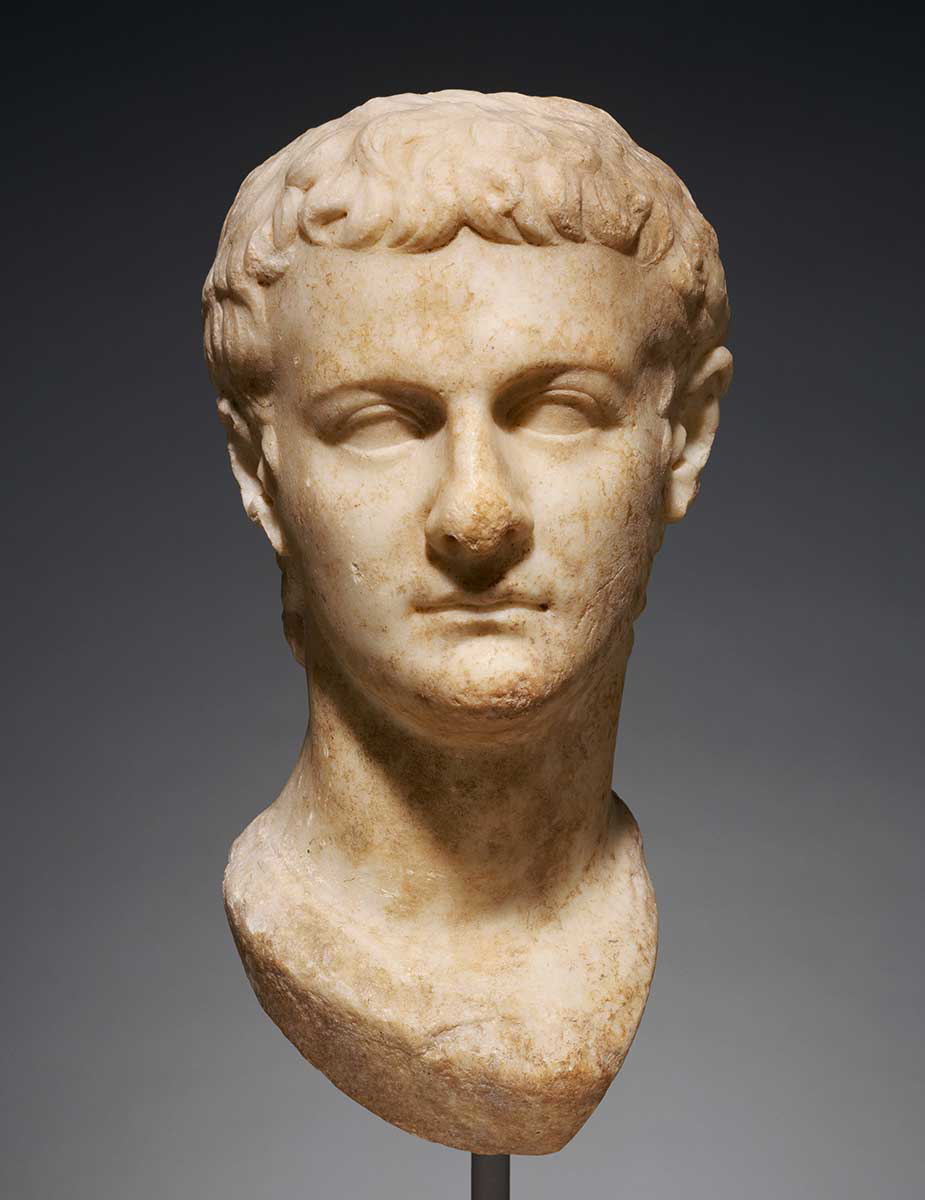
While Caligula’s more autocratic rule styled on that of the Hellenistic kings was resented by the Roman elite and contributed significantly to his downfall, within a century, Rome was a military autocracy. No one objected when the Antonine emperors ruled the same way. Rather, they were described as the Five Good Emperors, and Trajan, arguably the most autocratic of them all, the Optimus Princeps.
16. Caligula Caused His Own Downfall
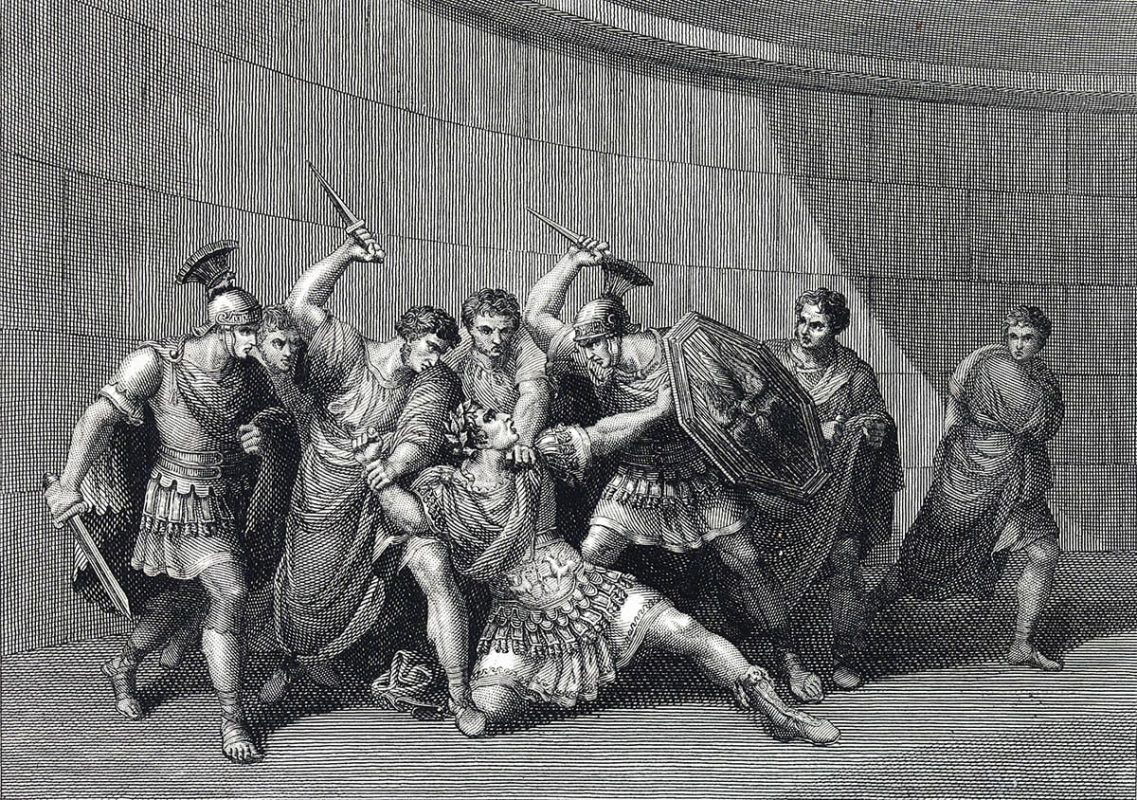
While the Senate resented Caligula for years, there was little they could do as he was protected by his Praetorian Guard. But Caligula made a fatal error when he made an enemy of Cassius Chaerea, a tribune in the Praetorian Guard. He repeatedly mocked the man publicly, undermining his masculinity. This gave the disgruntled senators an ally close to the emperor.
Chaerea carried out the assassination with another Praetorian tribune in January 24, AD 41. They managed to isolate Caligula in a subterranean corridor under the imperial palace. But Senators were involved, and they had organized a meeting of the Senate directly following the assassination, in the hopes of restoring the Republic. It was probably the senators who advised the Praetorians to kill Caligula’s wife and young daughter, to ensure that there was no legitimate successor.
17. Caligula’s Death Changed Nothing
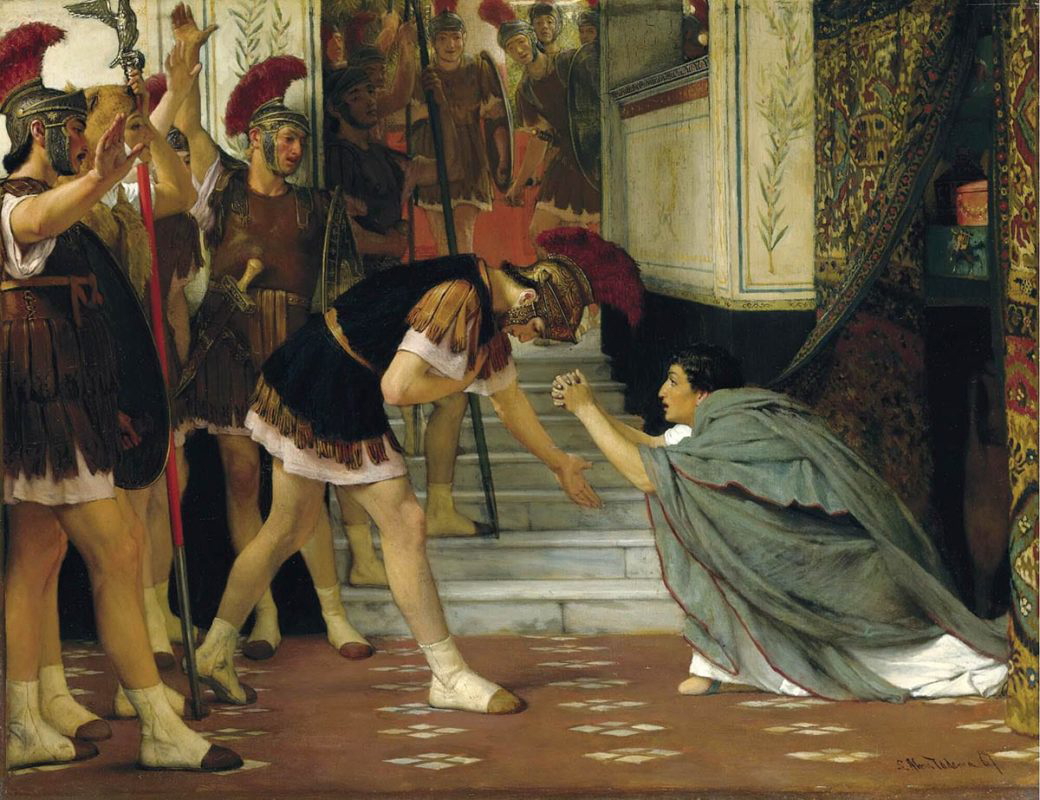
While Caligula was hated by the Senate, he was still loved by most of the military and the people when he died. When the loyal German Guard within the Praetorians heard of their emperor’s death, they slaughtered anyone they suspected of being involved. It was during the massacre that the Praetorians encountered Claudius, Caligula’s uncle and the brother of Germanicus, in the palace. They proclaimed him emperor, undermining any plans the Senate may have had to try to restore the Republic. Any hope of changing Rome’s now well-entrenched imperial system was dead.
18. Caligula’s Name Was Tarnished for Posterity
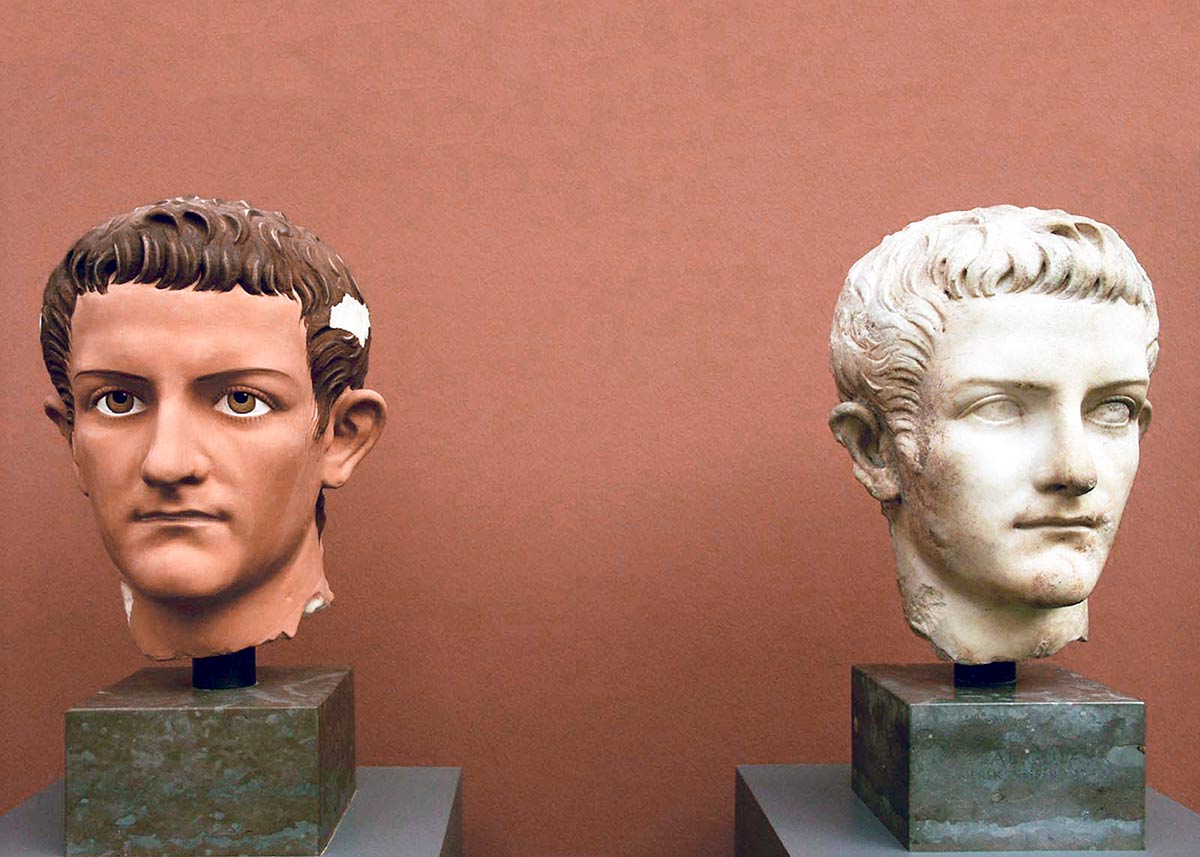
While the people initially demanded justice for the death of their emperor, in their anger, the Senate passed a decree that Caligula’s memory should be condemned through damnatio memoriae. This involved removing his name and images from monuments.
But Claudius had to veto this act, as declaring Caligula a posthumous enemy of the state undermined his own claim to power. But looking to ingratiate himself with the Senate, Claudius met them halfway. While blocking the official decree, he still declared all of Caligula’s laws, decrees, and tax policies null and void. He also allowed Caligula’s statues and names to be quietly removed. Histories and other works that villainized Caligula were allowed to be published and painted a posthumous picture of him as a villain. The picture is so strong that it is hard to see the real man beneath it.
But Caligula had the last laugh. The exaggerated stories that circulated about his cruelty and madness have made him one of the most well-known and popular Roman emperors. Today, 2,000 years later, we are still talking about Caligula.