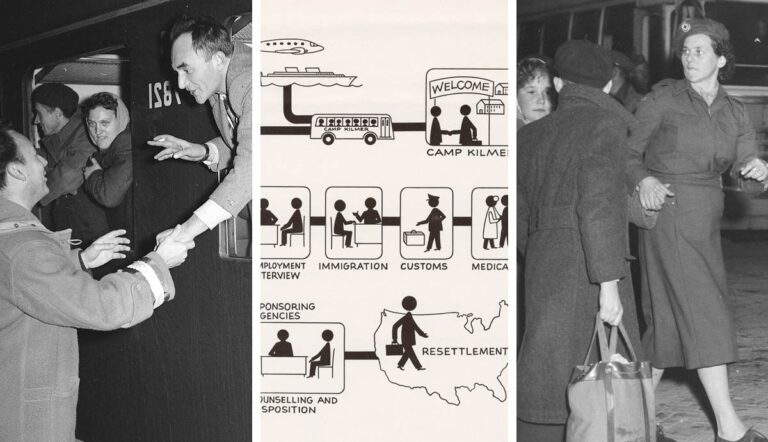
Almost 194,000 people fled Hungary after the Hungarian Uprising of 1956. Countries all over the world stepped in to help solve the Hungarian refugee crisis.
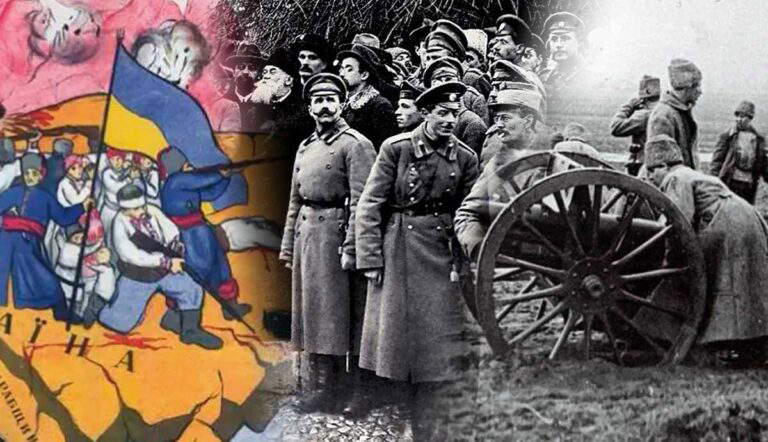
During 1917-1920, the Ukrainian People’s Republic laid the foundation for Ukrainian modern history as an independent state.
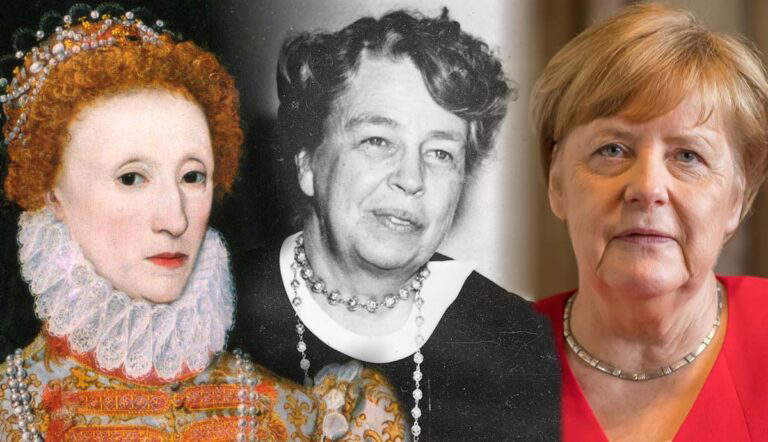
For women to participate in political leadership, some pioneering female leaders had to break barriers and challenge existing societal and cultural orders.
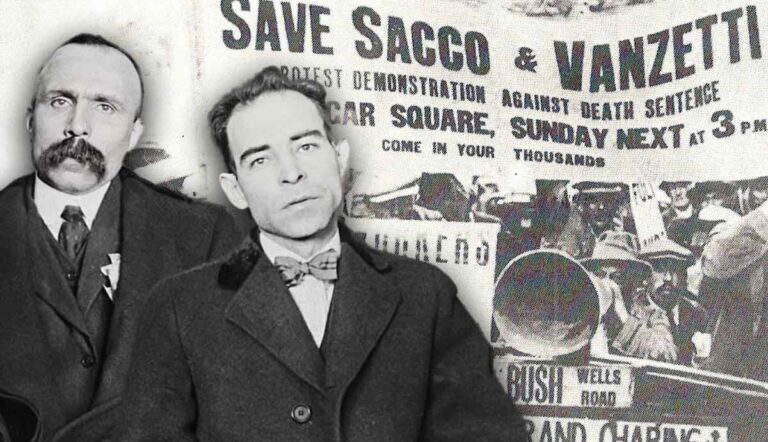
The Sacco & Vanzetti case (1920-1927), the world-famous trial of two Italian-born anarchists, divided America and exposed injustice in the country’s justice system.
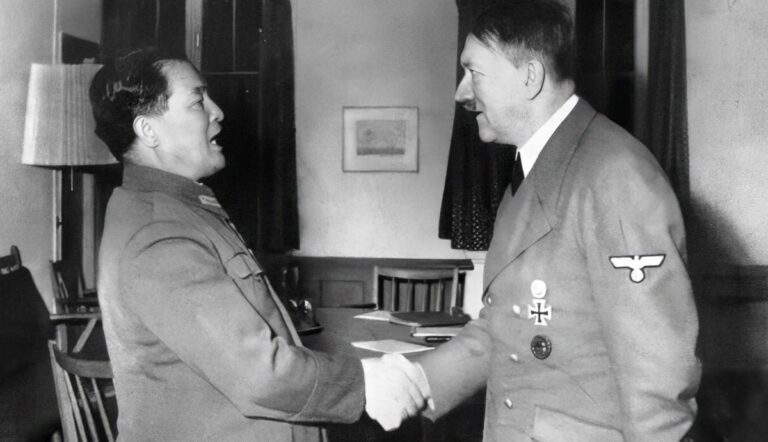
China welcomed German political and military advisers in 1927-1938 in an attempt to modernize the country during the Chinese Civil War.
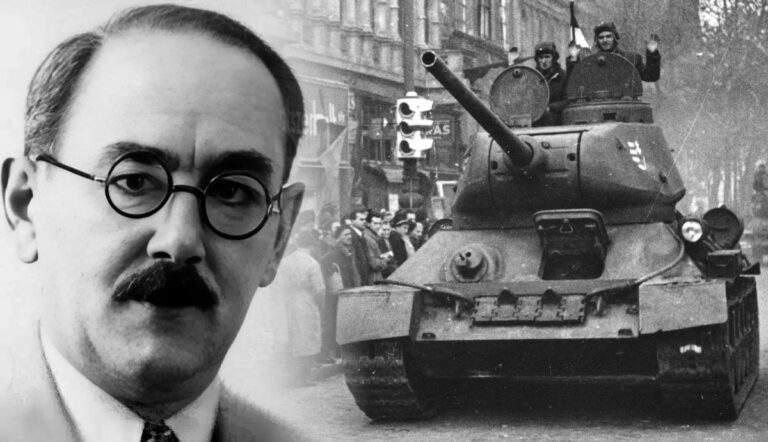
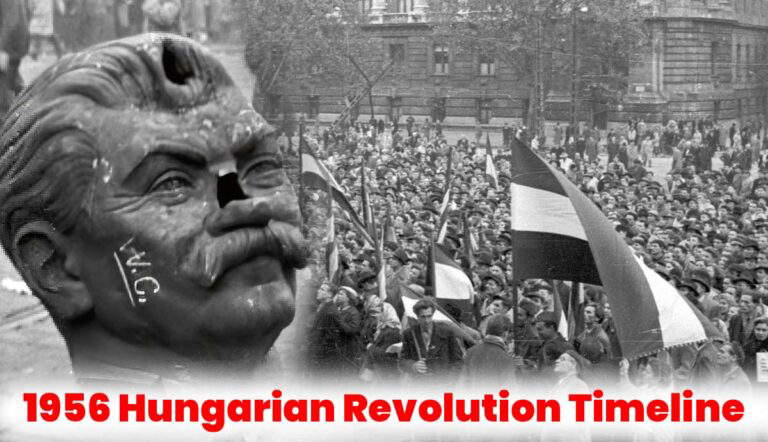
In 1956, Hungarian statesman Imre Nagy became the leader of the Hungarian Revolution. However, his role in the uprising cost him his life.
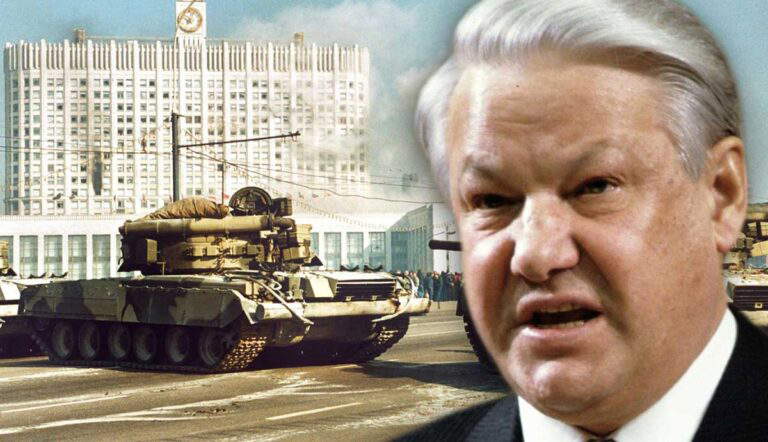
The 1993 Russian Constitutional Crisis was a showdown between President Boris Yeltsin and the Parliament. How did this happen, and what were the lasting consequences?
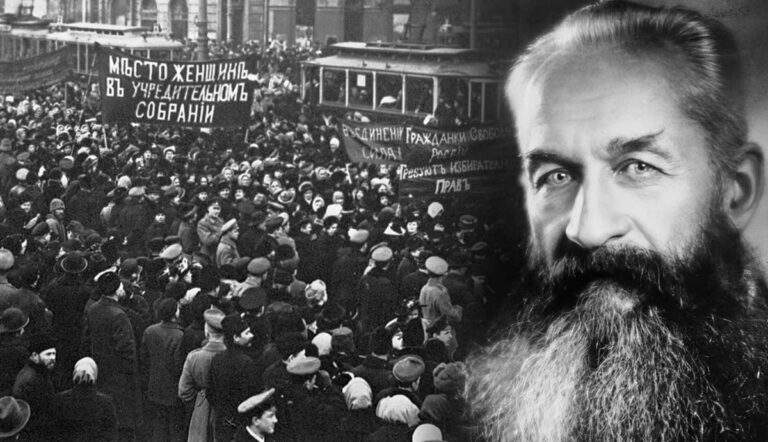
The fall of the Russian Tsar in 1917 led to a futile, brief attempt at representative government: the Provisional Government.