





About Simon Lea
Simon holds a PhD in Philosophy and is the co-founder of the Albert Camus Society. Over the past twenty years he has worked helping to develop public interest in philosophy, philosophical literature, and theatre. His areas of special interest include Camus, Nietzsche, existentialism, absurdism, and mythopoesis.
Education
PhD Philosophy
University of Southampton, 2024
MPhil Philosophy
Lampeter, University of Wales Trinity Saint David, 2009
BA Philosophy
Lampeter, University of Wales Trinity Saint David, 2003
Areas of Expertise
About Simon Lea
Simon holds a PhD in Philosophy and is the co-founder of the Albert Camus Society. Over the past twenty years he has worked helping to develop public interest in philosophy, philosophical literature, and theatre. His areas of special interest include Camus, Nietzsche, existentialism, absurdism, and mythopoesis.
Education
PhD Philosophy
University of Southampton, 2024
MPhil Philosophy
Lampeter, University of Wales Trinity Saint David, 2009
BA Philosophy
Lampeter, University of Wales Trinity Saint David, 2003
Areas of Expertise
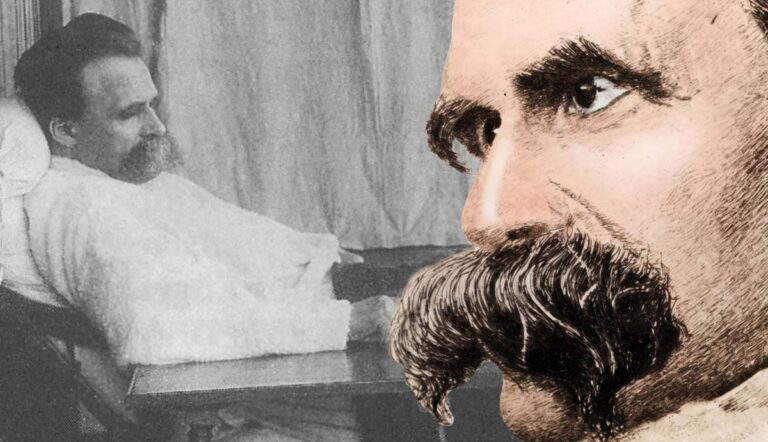
The Tragic Final Years of Friedrich Nietzsche
Nietzsche suffered from poor physical health for almost all of his productive life. How much did his mental health affect his work?
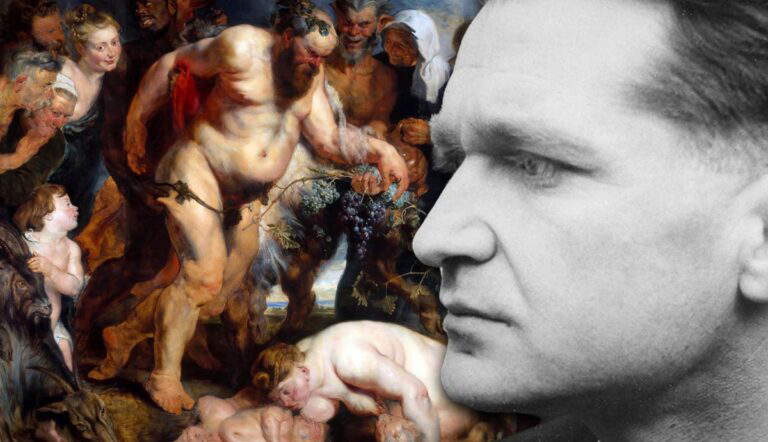
Why Emil Cioran Thought Life Was a Mistake
Cioran believed that human existence was marked by failure and life was a mistake. However, he argued that failure is more valuable than success.
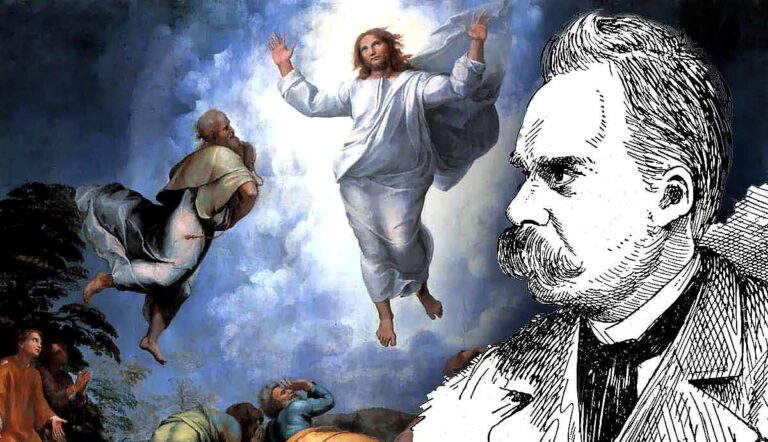
How Raphael’s Transfiguration of Christ Inspired One of the World’s Most Famous Atheists
Nietzsche despised Christianity for, in his view, naysaying life. Yet he took great inspiration from a devotional painting of Christ.
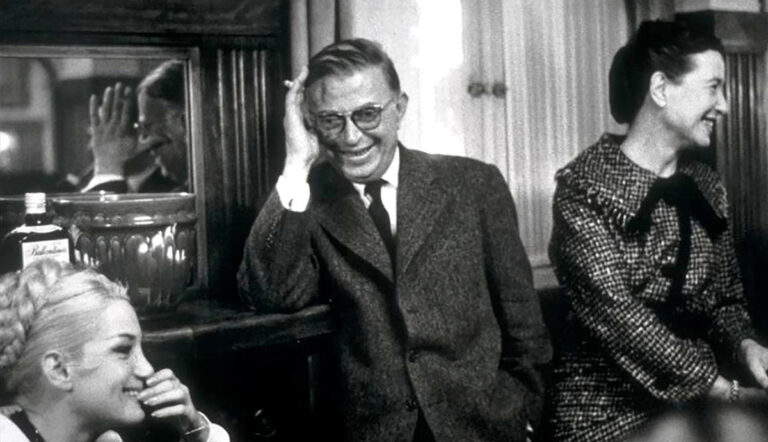
What Sartre Says About Bad Faith and Inauthenticity in His “Altona”
Altona is a play about bad faith. Ostensibly written about German guilt over World War II, the ideas are also applicable to French actions in Algeria.
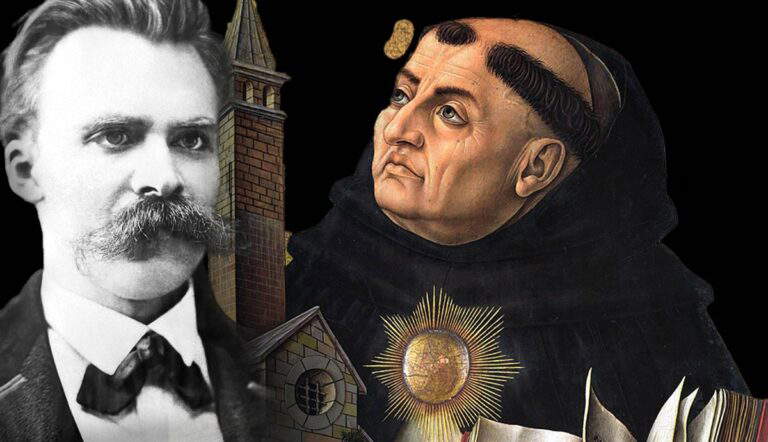
Who Is Mr. Nosy Daredevil in Nietzsche’s On the Genealogy of Morality?
Mr. Nosy Daredevil’s journey into the dark workshop in which "ideals are fabricated" is a strange addition to Nietzsche’s Genealogy. Why did he include it?
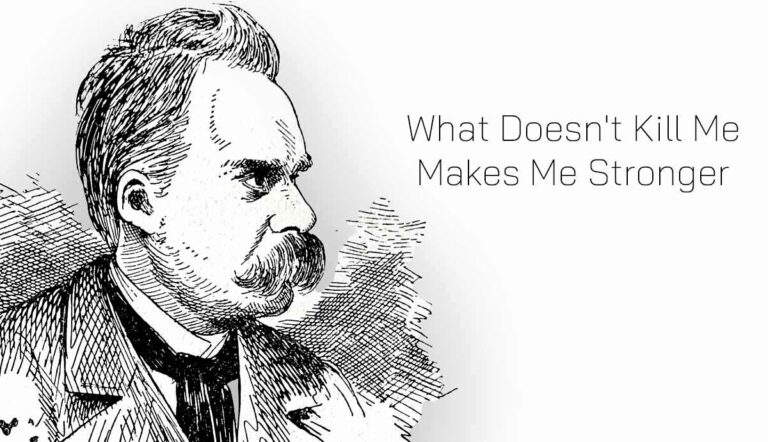
You Probably Got Nietzsche’s Most Famous Maxim Wrong!
Nietzsche’s well-known maxim is not about radical acceptance of the negative but of a fervent love for the negative things in life.
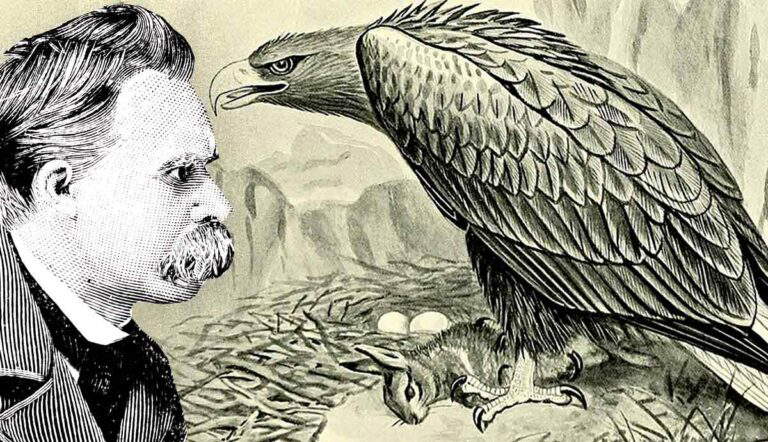
Is Utilitarianism Making You Weak? Nietzsche’s Harsh Criticism
Nietzsche believes that utilitarianism is used by the weak to convince the strong to abandon strength in favor of weakness.
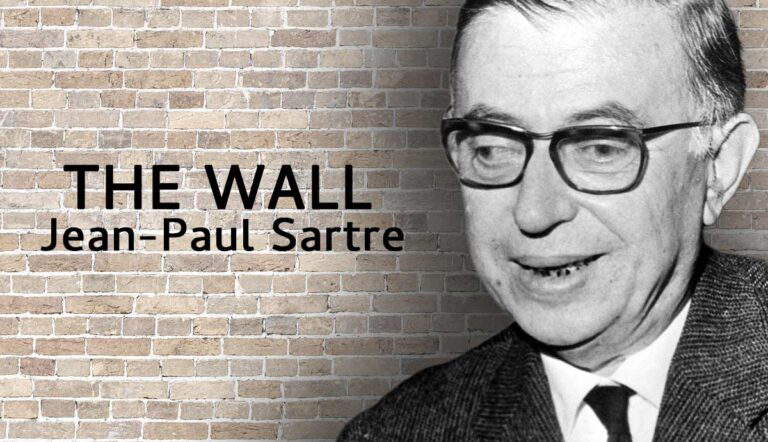
Why Sartre’s “The Wall” Is the Most Influential Existentialist Short Story
Forced to accept the certainty of death, the protagonist of Sartre’s short story "The Wall" vividly experiences the absurd.

The Ending of Sartre’s Story “The Room” Explained
In Sartre’s story, Ève forces herself to believe her mentally ill husband’s delusions. She will go to extreme lengths to maintain this belief.

What Does Sartre’s Famous Example of a Woman on a Date Actually Prove?
Sartre uses a woman on a date to illustrate bad faith. Here we cut through the confusion and explain exactly what his example proves.
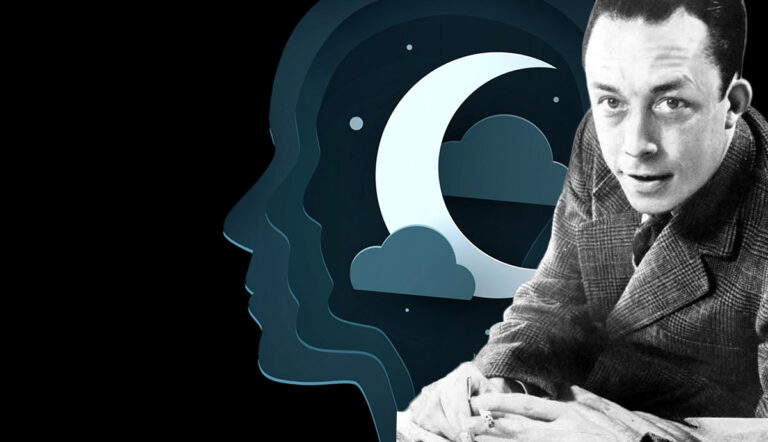
Why Does Camus Write So Much About Sleep? A Guide to His Related Works
The motif of sleep appears again and again in Camus’ literary work. However, this theme is underexplored in the scholarly literature.
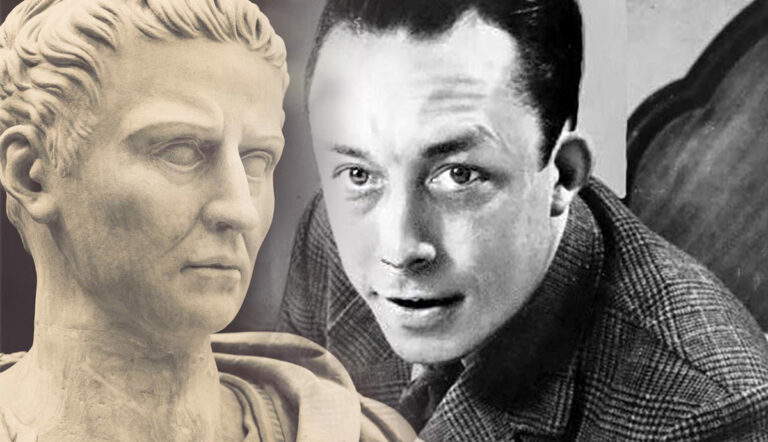
What Camus’ “Caligula” Teaches You About the Absurd
Caligula engineers his own assassination and is stabbed multiple times in the final scene. Why then are his final words "I'm still alive"?