





Cezary Jan Strusiewicz
Member since Jan 31, 2025
Cezary Jan Strusiewicz
@cezary-jan-strusiewicz
About Cezary Jan Strusiewicz
Cezary Jan is a Polish writer based in Japan. He's written about Japanese history and culture for The Japan Times, National Geographic, Polygon, and other major outlets.
Education
MA Japanese Philology with Linguistics
Jagiellonian University, 2010
BA Japanese Philology with Literature
Jagiellonian University, 2007
Areas of Expertise
About Cezary Jan Strusiewicz
Cezary Jan is a Polish writer based in Japan. He's written about Japanese history and culture for The Japan Times, National Geographic, Polygon, and other major outlets.
Education
MA Japanese Philology with Linguistics
Jagiellonian University, 2010
BA Japanese Philology with Literature
Jagiellonian University, 2007
Areas of Expertise
How One Emperor Lost Japan’s Imperial Rule for 500 Years
When imperial ambition challenged entrenched military rule, it triggered an institutional collapse that strengthened Japan’s warrior government and marginalized the emperor for half a millennium.
Ashikaga Yoshimasa and the War That Broke the Shogunate
How shogun Ashikaga Yoshimasa failed to prevent the Onin War, collapsing Japan’s central government for over a century and paving the way toward civil war.
The Warrior Monks Who Mastered Firearms in Feudal Japan
A temple of warriors, a fortress of faith, a factory of guns: this is the story of the rise and fall of Negoro-ji’s firearm monks.
The Tragedy of Ishida Mitsunari, the Man Who Almost Became Japan’s Shogun
Ishida Mitsunari was a brilliant tactician, loyalist, and administrator who was one military victory away from becoming shogun and Japan’s third great unifier.
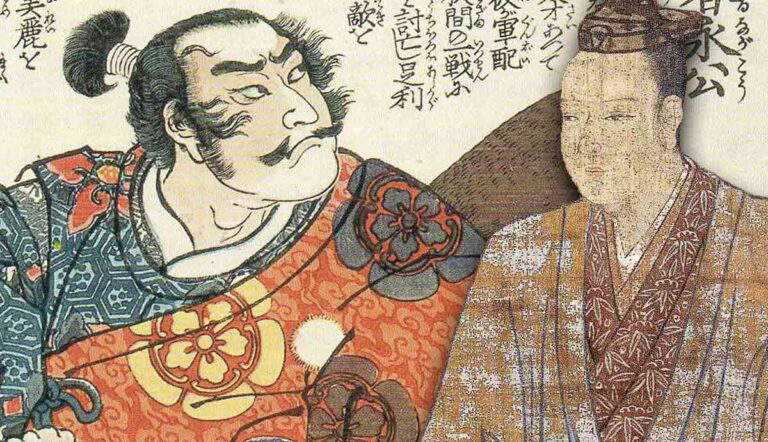
Why Did Akechi Mitsuhide Betray the Most Powerful Man in Japan?
Akechi Mitsuhide’s betrayal of Oda Nobunaga, the first great unifier of Japan, forever changed Japanese history but remains a source of dispute among many historians.
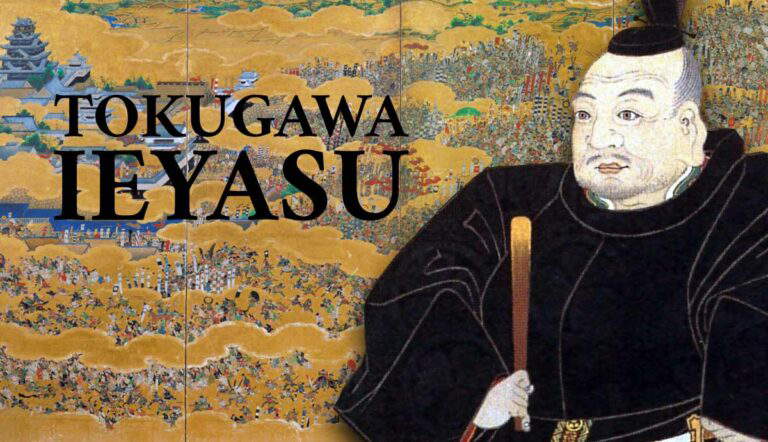
How Tokugawa Ieyasu Outlived and Outsmarted Japan’s Greatest Warlords
The story of a hostage who overcame hardships, outlasted rivals, won the biggest battle in samurai history, and ushered in over 250 years of peace.
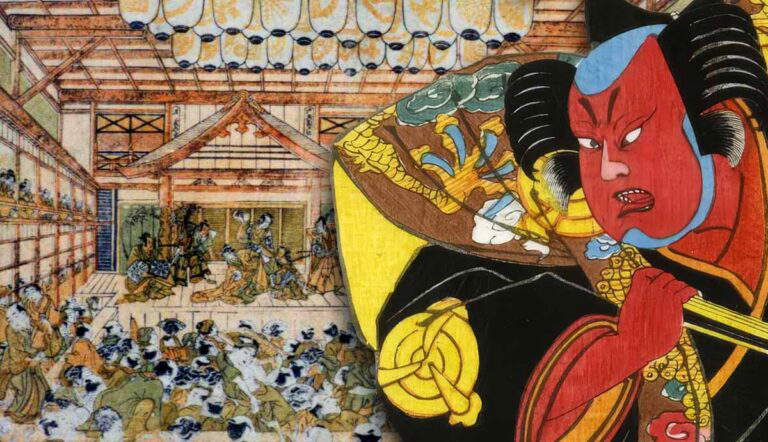
Why Kabuki Became Japan’s Most Famous Theater
Kabuki theater is a historically grounded yet evolving performance art shaped by social change, technical innovation, and audience engagement throughout centuries of Japanese history.
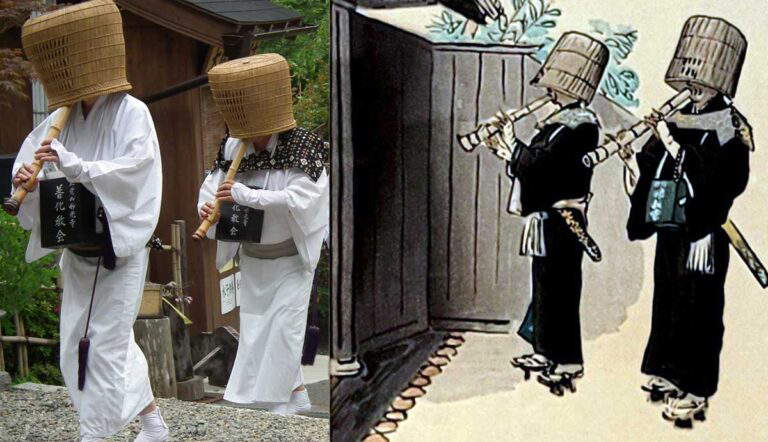
The Masterless Samurai Who Traded Their Swords for Bamboo Flutes
Exemplifying Japan’s multifaceted Buddhist traditions, komuso monks were wandering practitioners of Zen with a samurai background, who sought enlightenment through austerity and shakuhachi flute meditation.
How Was Life Inside Japan’s Temples During the Samurai Era?
How did Buddhist monks in feudal Japan balance spirituality, austerity, daily labor, political service, and economic management inside their houses of worship?
How the Genpei War Gave Birth to the Japanese Shogunate
This civil war between the Taira and Minamoto clans reshaped Japan, ending the dominance of the Kyoto Imperial Court and inaugurating centuries of warrior-led government.
How Yokohama Rose From a Fishing Village to Japan’s Second Largest City
From a small, secluded village to an international hub for commerce, Yokohama became Japan’s second-largest city through treaties, turmoil, and the embrace of modernity.
The Types, Tactics, and Art That Shaped the Japanese Castle (Shiro)
Japanese castles evolved from simple, temporary outposts into the country’s most important military and political centers. Read on to discover more about these fascinating fortifications.